
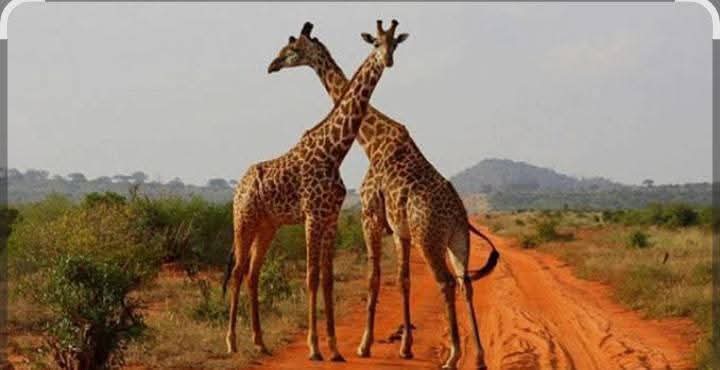
The theme for World Wildlife Day 2026,“Medicinal and Aromatic Plants: Conserving Health, Heritage and Livelihoods”, invites the world to look beyond iconic species and consider the deeper ecological networks that sustain both human and wildlife wellbeing.
In Kenya’s arid north, that reflection finds powerful expression in the sweeping plains of Wajir County and Garissa County, natural home to the elegant Somali giraffe.
Observed annually on 3rd March under the auspices of the United Nations, World Wildlife Day highlights the interdependence between biodiversity and sustainable development.
In northern Kenya, that interdependence is written into the landscape itself, where medicinal shrubs, aromatic resins, hardy acacia species, livestock, wildlife, and pastoral communities share one fragile ecological system.
With its striking lattice-patterned coat and towering silhouette against acacia woodlands, the Somali giraffe remains one of the most recognizable species in the Horn of Africa.
Its survival is intimately tied to woody browse species that also form part of the region’s traditional pharmacopoeia.
Many of the trees and shrubs that sustain giraffes, including acacia varieties whose bark, gum, and leaves are used in traditional remedies, are valued by pastoralist communities for treating ailments, preserving livestock health, and producing aromatic resins such as frankincense and myrrh.
For generations, communities have drawn healing from these plants while managing rangelands through mobility and customary grazing systems.
Indigenous knowledge has ensured that medicinal plants are harvested sustainably and that critical browse species regenerate.
In this way, conservation has never been separate from livelihood; it has been embedded in culture.
Today, that balance is under severe strain.
Recurrent and prolonged droughts have reshaped the ecological rhythm of northern Kenya.
Failed rains have reduced regeneration of browse and medicinal species alike, dried seasonal water sources, and weakened already fragile vegetation cover.
For giraffes, diminishing acacia stands mean longer treks for forage and declining nutritional stability.
For communities, the loss of medicinal and aromatic plants undermines primary healthcare traditions and income derived from natural products.
Calf survival becomes uncertain, herds disperse unpredictably, and ecological stress quietly deepens.The drought has not spared people.
Pastoral livelihoods have been battered by livestock losses and shrinking pasture.
As herders move farther in search of water and grass, pressure on remaining vegetation intensifies.
Wildlife corridors narrow. Medicinal shrubs that once flourished along seasonal riverbeds struggle to regenerate.
Competition for limited resources grows, not by choice, but by necessity.
Community conservancies in Wajir and Garissa were established to anchor coexistence.
They represent a locally driven model of stewardship, linking habitat protection with livelihood resilience.
Yet these conservancies operate under severe constraints.
Vast territories, limited operational funding, inadequate equipment, and insufficient technical support hinder effective monitoring and rapid response.
At a time when wildlife and plant biodiversity require closer attention, conservation institutions themselves are stretched thin.
Securing the future of the Somali giraffe, and the medicinal landscapes it depends on, demands more than symbolic recognition. It calls for practical, climate-informed investment.
Restoration of degraded rangelands through reseeding of native browse and medicinal species would simultaneously support wildlife nutrition, livestock health, and community wellbeing.
Protection of key aromatic and medicinal plant zones within county spatial plans would prevent overexploitation.
Strengthening conservancies through predictable financing, ranger training, and digital monitoring tools would enhance habitat protection.
Carefully designed water infrastructure, mindful of ecological balance, could ease pressure during extreme dry seasons without triggering habitat degradation.
Equally important is linking conservation to economic resilience.
Sustainable value chains for medicinal and aromatic plants, governed by community-based management plans, can provide alternative income during drought periods.
Carbon financing and ecosystem restoration initiatives can reward stewardship of indigenous woodlands.
Responsible eco-tourism, anchored in biodiversity conservation, can generate incentives that reinforce the value of maintaining intact habitats.
Reliable data, through population surveys, vegetation mapping, and research partnerships, must guide decisions, ensuring that interventions remain evidence-based and adaptive to changing climatic realities.
On this World Wildlife Day 2026, the story of the Somali giraffe in Wajir and Garissa reflects a broader truth about arid lands in a warming world.
The acacia that feeds the giraffe may also heal a child. The shrub that stabilizes the soil may sustain a household’s income.
Conserving medicinal and aromatic plants is therefore not a peripheral agenda, it is central to protecting health, heritage, and livelihoods.
The survival of the Somali giraffe will depend on how effectively climate resilience, community knowledge, plant biodiversity, and conservation planning are brought into alignment.
In northern Kenya’s drylands, safeguarding wildlife and conserving medicinal landscapes are part of the same promise: securing an ecological foundation upon which both people and nature can endure.