
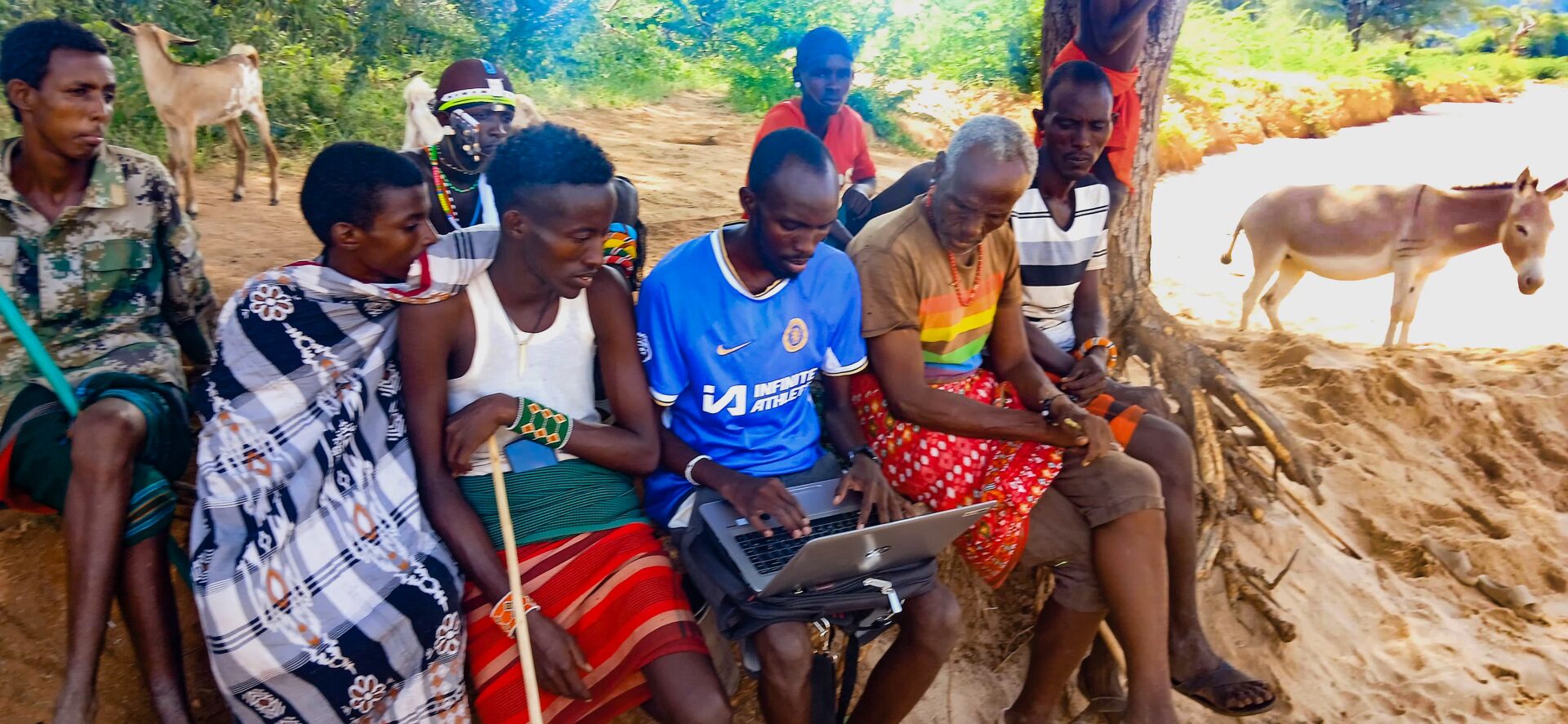
Northern Kenya’s pastoralists are increasingly turning to smartphones to guide grazing decisions, thanks to a community-led digital skills initiative supported by the Forum for Agricultural Research in Africa (FARA).
In areas where livestock mobility is essential for survival, herders are now photographing vegetation cover and water points and sharing the images within their communities to determine where conditions are most favourable.
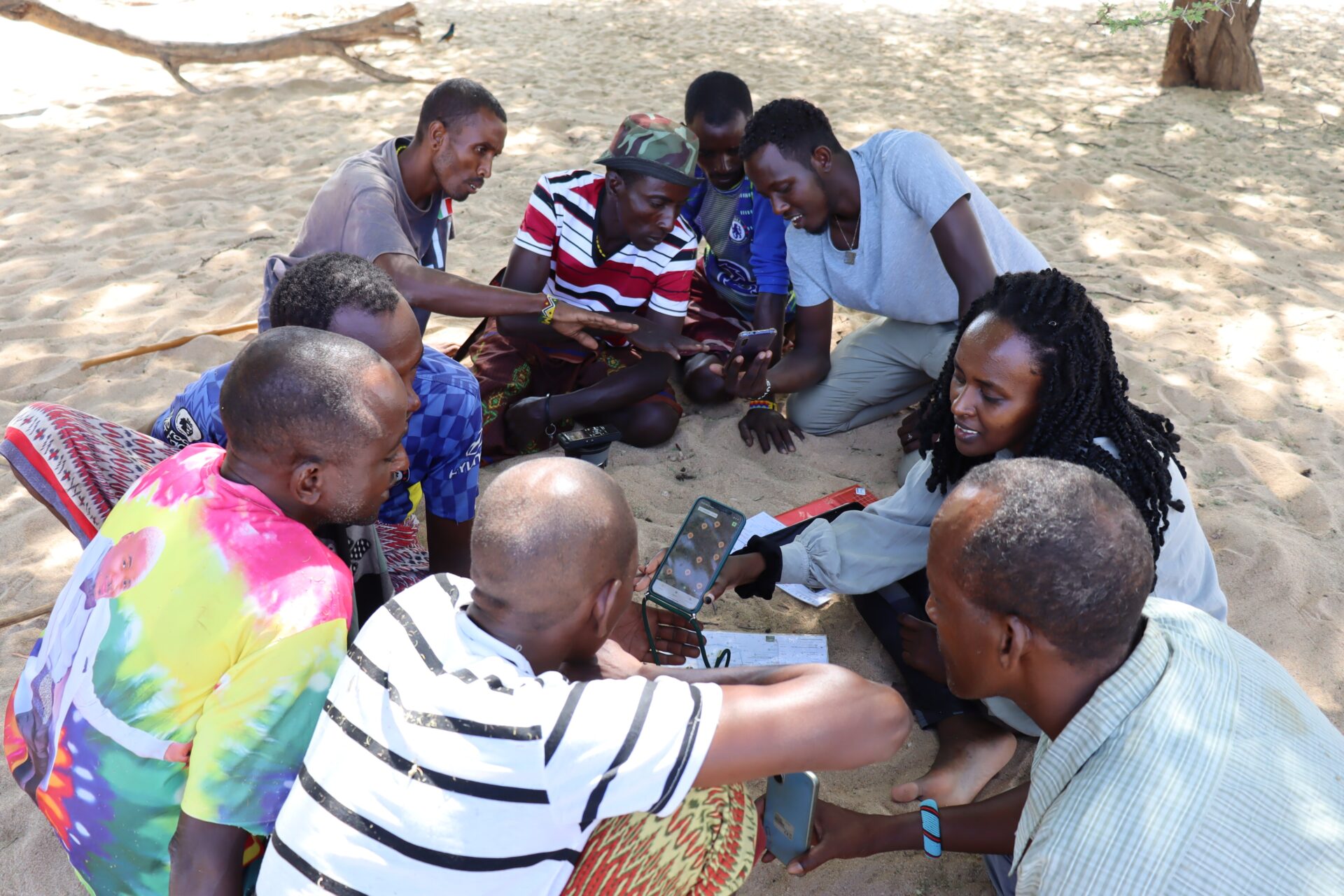
The shift marks a significant change from traditional scouting methods, which often required herders to walk long distances to assess pasture availability before reporting back.
By exchanging real-time images and updates through mobile phones, communities can make quicker, better-informed decisions about where to move their herds, saving time, labour, and livestock.
Pastoralism remains the backbone of livelihoods across northern Kenya, where access to fodder and water changes with rainfall patterns.
Pasturelands are scattered and seasonal, making timely information critical.
Smartphones have become an important support tool, enabling herders to compare conditions across locations and plan movements more effectively.
The innovation has been driven by locally recruited Volunteer Information Facilitators (VIFs), young community members trained to build digital literacy among pastoralists.
Working in regions such as Laisamis and Sololo, the volunteers introduce herders, many of whom had never used a smartphone, to basic functions such as the camera, photo gallery, and information sharing via WhatsApp.
“I had convinced myself I could not learn how to use a smartphone,” one pastoralist involved in the programme said.
“Now I can take pictures and share information with others.”
Beyond structured training sessions, the facilitators are a regular presence in markets, water points, and other public spaces, offering hands-on support to community members, including those with limited literacy.
They assist herders in searching for information online, often translating or explaining content in local languages, addressing one of the biggest barriers to digital access in remote dryland areas.
Since the facilitators began their work in Kenya in July 2024, the most common information requests have focused on livestock diseases, animal nutrition, market prices, and human health.
These interactions are helping shape the development of a tailored smartphone application designed to complement, rather than replace, traditional pastoral practices.
A participatory approach has been central to the programme’s success.
Community representatives were involved in recruiting the facilitators, developing interview questions, and assessing candidates to ensure cultural compatibility, language skills, and digital competence.
Selected volunteers also underwent specialised training on adult learning, communication, and trust-building, key to working effectively in close-knit pastoral communities.
While challenges remain, including the high cost of mobile data and limited access to electricity, the initiative demonstrates how peer-to-peer learning can accelerate digital inclusion.
Confident users increasingly support others, extending the impact beyond formal training sessions.
By placing ownership of digital learning in the hands of communities, the VIF model is showing that effective technological change in Kenya’s drylands is not about introducing devices alone, but about empowering pastoralists to integrate digital tools on their own terms.