
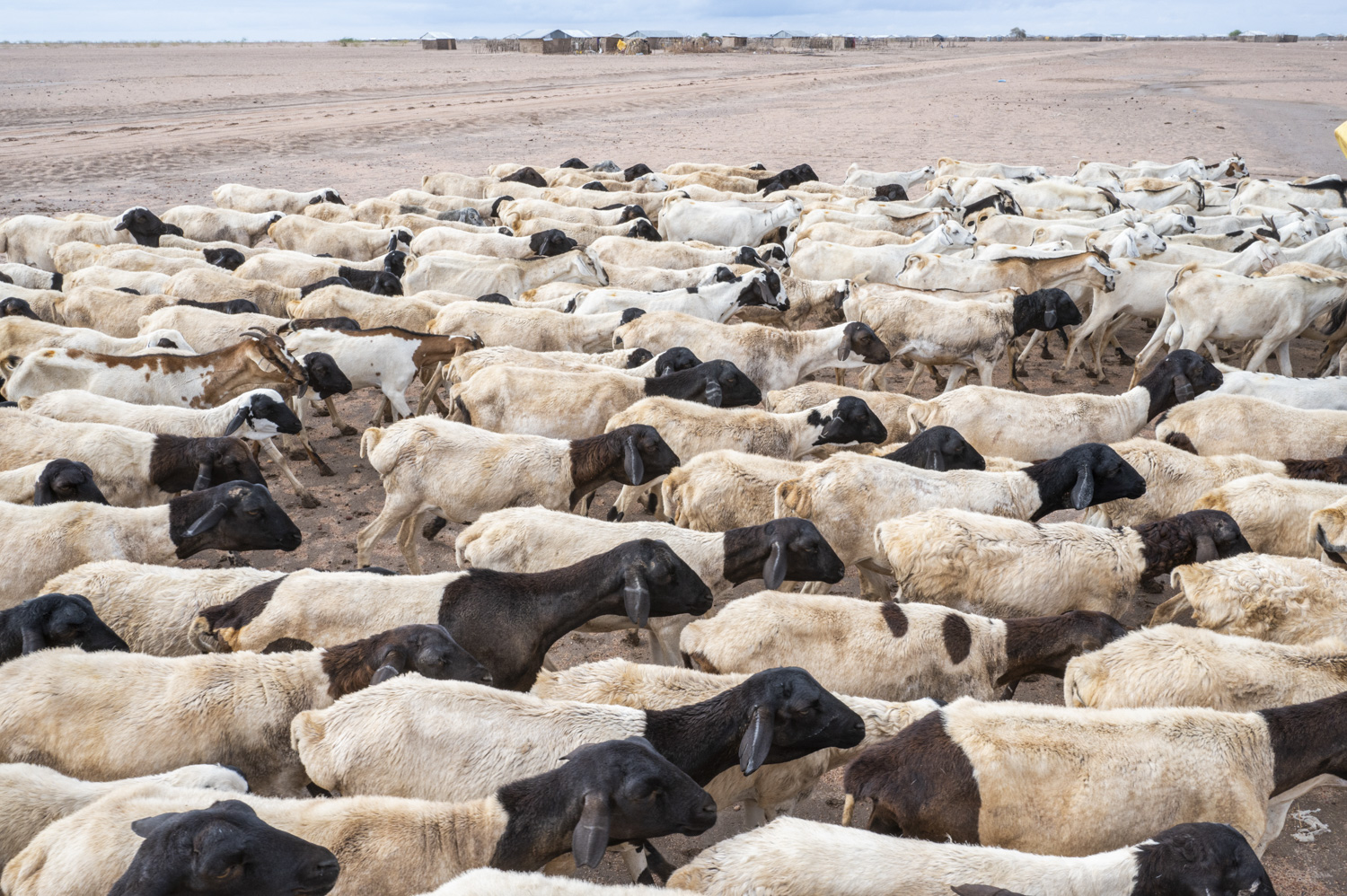
Uncontrolled movement of livestock into Isiolo’s drought grazing reserves is placing immense pressure on the county’s fragile dryland ecosystems, raising fears of disease outbreaks, pasture depletion, and renewed conflict among pastoralist communities.
According to Jarao Mokku, Chief Executive Officer of Drylands Learning & Capacity Building Initiatives (DLCI) and Head of the Pastoralist Parliament Group (PPG) Secretariat in the Kenyan Parliament, trucks carrying weakened livestock from neighbouring counties were observed entering Isiolo’s drought grazing reserves in January 2026 without permits, veterinary clearance, or coordination with local authorities.
“What may appear as solidarity among pastoralists during a climate crisis is, in reality, a dangerous breach of community governance protocols,” Mokku warned, noting that such practices risk repeating the catastrophic losses of 2022, when Kenya lost more than 2.6 million livestock and wildlife to drought.
Isiolo sits at the heart of Kenya’s drylands and serves as a critical lifeline for pastoralist communities who rely on carefully managed grazing reserves during drought periods.
These reserves are governed through negotiated protocols overseen by Dedha elders in consultation with county authorities, ensuring pasture is rationed and accessed sustainably.
However, Mokku cautioned that when external herders bypass these traditional systems, the consequences are severe.
“Unregulated access increases the risk of disease transmission, rapidly depletes scarce pasture, and heightens tensions over water and grazing corridors,” he said.
Compounding the problem is limited investment in climate resilience.
Isiolo County allocates less than two per cent of its budget to climate action, leaving livestock movement checkpoints underfunded and enforcement of entry protocols weak.
Without urgent intervention, observers warn that drought grazing reserves could become open-access rangelands, stripped bare before local communities can utilise them.
Mokku called for decisive action from both traditional and formal governance structures.
He urged county leaders and Dedha elders to immediately enforce livestock movement protocols, while pushing the county government to raise climate action funding to at least 10 per cent of its budget.
He also emphasised the need for structured mechanisms to negotiate the use of drought reserve grazing corridors with neighbouring counties.
“Empowered Dedha elders can effectively uphold traditional rangeland rules,” he said, adding that Isiolo’s drought grazing reserves must be protected “urgently and without compromise.”