
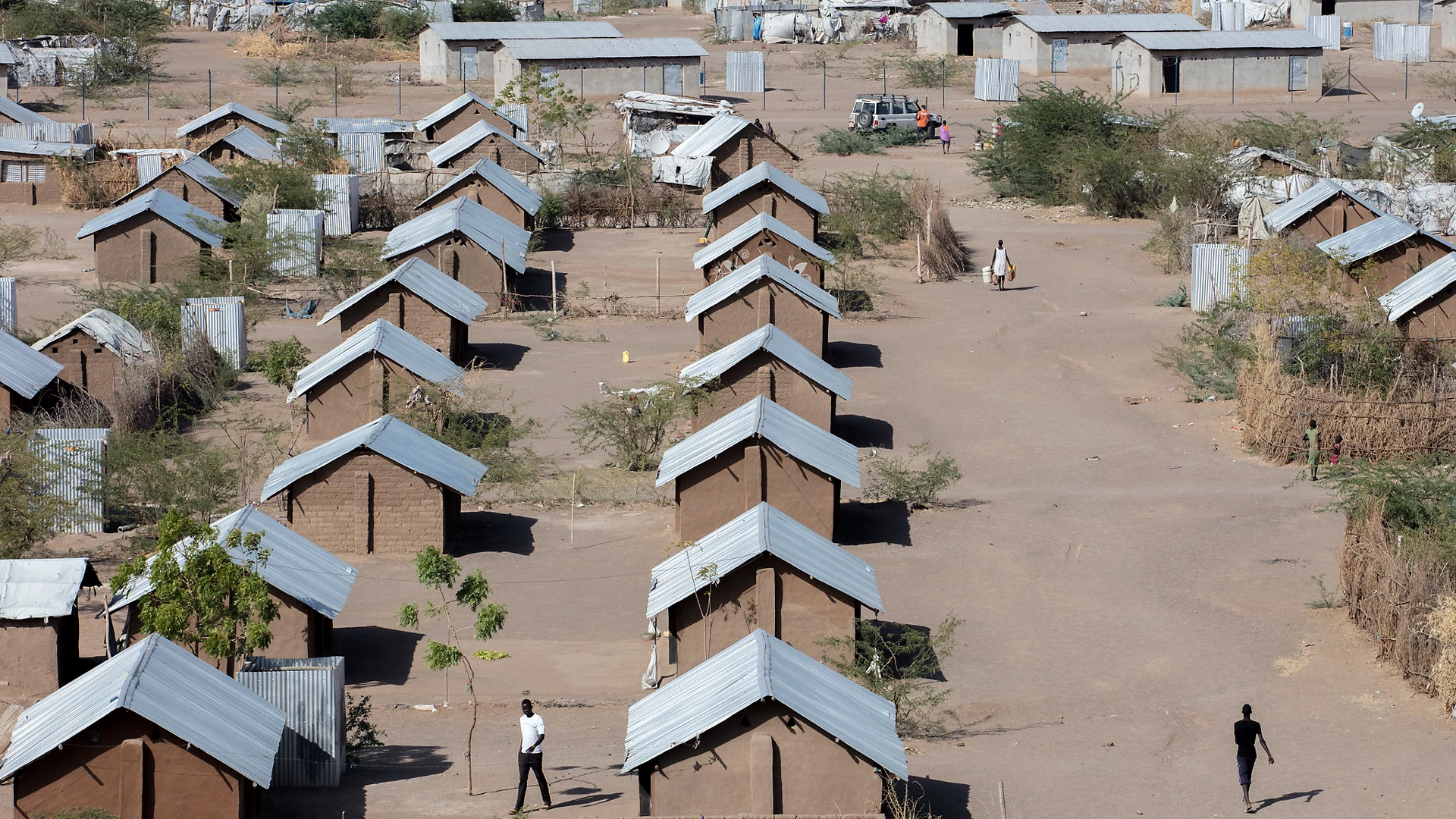
Refugees living in Kakuma can now formally petition the Turkana County Assembly after the House amended its standing orders to officially recognise refugee participation in county governance.
The move marks a significant milestone in advancing Kenya’s refugee inclusion agenda under the Refugees Act of 2021, which promotes participation, local integration and access to public services for displaced populations.
Stakeholders have welcomed the amendment as a concrete step toward translating progressive national policy into action at the county level.
Under the revised standing orders, refugee affairs are now explicitly included within the Assembly’s mandate.
The expanded scope of oversight covers constitutional and legal matters, ethics and integrity, human rights, and refugee-related issues such as inclusion, local integration and participation in county development planning.
The amendments also allow refugees to submit memoranda on issues that directly affect their lives.
Previously, despite residing in Turkana County and being impacted by county policies, refugees were unable to petition the Assembly because petition forms required a Kenyan national identity card.
Mitchel Ambasu, the Kakuma operations field coordinator for the Refugee Consortium of Kenya (RCK), said the requirement had long hindered meaningful civic engagement.
“Frequently, the county assembly conducts public participation forums on policies that guide county operations,” Ambasu said.
“However, when refugees attempted to submit petitions, they found no avenue to do so because the forms only allowed the use of a national ID. After consultations, the county assembly agreed to amend the standing orders.”
With the revised petition process, refugees can now use their refugee identification cards, formally granting them access to a civic space from which they had long been excluded.
Ambasu described the reform as a best practice and said RCK is encouraging other refugee-hosting counties to adopt similar measures.
He noted that the amendment is among the early outcomes of the Inclusive Refugee Response Programme (IRRP), a policy-driven initiative implemented by RCK to support government-led refugee inclusion at both national and county levels.
Kakuma Refugee Camp, located in Turkana West Sub-County, hosts more than 185,000 refugees and asylum seekers from over 20 nationalities, according to United Nations data.
The camp is one of the largest refugee settlements in the region and plays a significant role in the county’s social and economic landscape.
While the Refugees Act of 2021 provides a progressive legal framework for protection, inclusion and self-reliance, its implementation has been uneven, particularly in counties hosting large refugee populations.
The Turkana County Assembly’s decision is a practical example of how counties can align local governance structures with national refugee policy and expand democratic participation for all residents.