
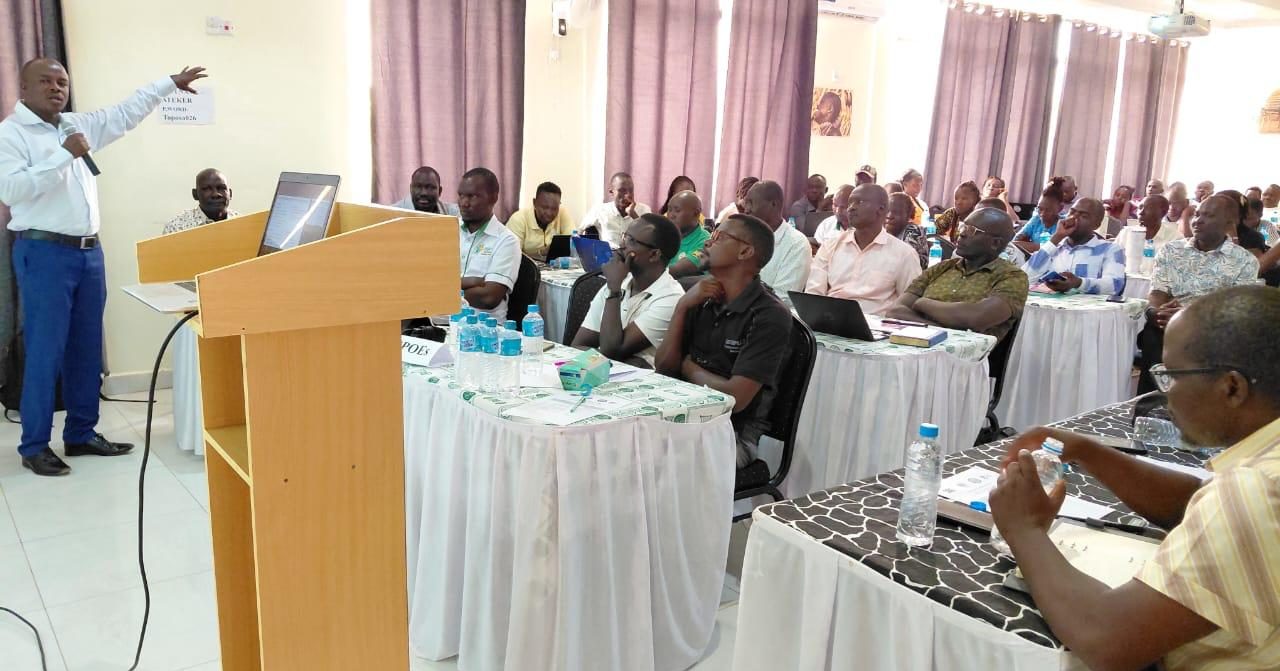
The Turkana County Government, in partnership with the Food System Resilience Project (FSRP), has concluded a two-day multi-stakeholder workshop aimed at validating key strategies to strengthen agricultural value chains and boost food security in the region.
The forum brought together a wide range of stakeholders to review and refine approaches designed to enhance productivity and resilience across Turkana’s agricultural sector.
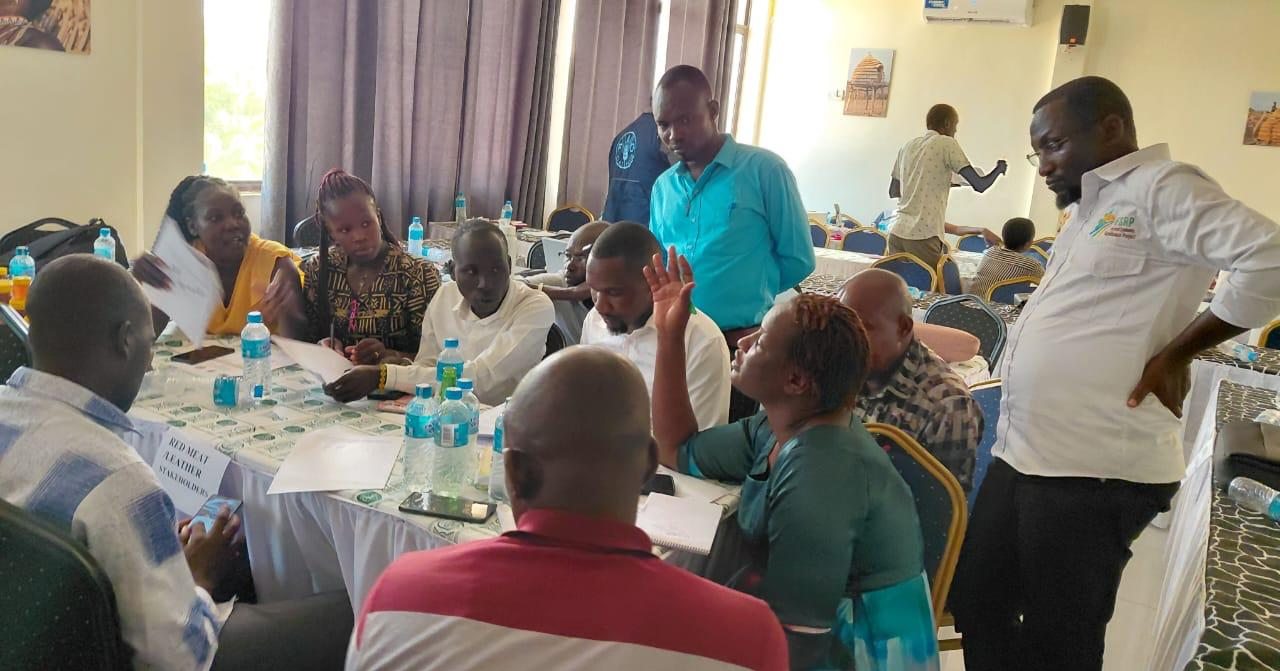
Focus areas included sorghum, cowpeas, groundnuts, red meat, leather, apiculture, fisheries, and aquaculture, value chains identified as critical to the county’s economic growth and food systems.
Participants were also sensitised on FSRP’s strategic priorities, with discussions centered on revitalising stakeholder coordination platforms and addressing systemic challenges affecting smallholder farmers.
County Chief Officer for Agriculture and Land Reclamation, David Maraka, underscored the importance of collective commitment in driving sustainable agricultural transformation, particularly in the face of climate change.
“The implementation of this strategy will enhance food production and ultimately improve the livelihoods of our farmers across the priority value chains in the region,” said Maraka.
His counterpart in Livestock Production and Aquaculture, Peter Ikaru, lauded the collaboration between the county, technical experts, and development partners in shaping the strategy.
He noted that the plan is designed to address long-standing challenges, including low productivity, poor animal quality, and limited market access.
“This is a long-term plan to diversify our livelihoods by tackling key bottlenecks across agricultural value chains,” Ikaru stated.
The workshop also highlighted ongoing initiatives such as the Creating Shared Value with Young People in the Livestock Sector (CASHA) project.
Speaking on behalf of the Food and Agriculture Organisation (FAO), Ambrose Ngetich emphasised the project’s potential to transform livelihoods.
“This five-year initiative, implemented in collaboration with the Mastercard Foundation and other partners, aims to engage 300,000 young people in livestock and agri-food value chains in Turkana County,” he said.
The meeting drew participation from county officials, development partners, financial institutions, regulatory agencies, research bodies, and local farmers, providing a platform for inclusive dialogue and feedback.
The engagement ensured that the strategies developed are practical and aligned with the realities faced by communities on the ground.
Key attendees included senior county officials and technical experts from veterinary services, livestock production, and fisheries, alongside representatives from FSRP and financial institutions.
Development partners such as the World Food Programme (WFP), FAO, World Vision, ADRA, NDMA, KALRO, the International Trade Centre, and Cooperative Bank, among others, reaffirmed their commitment to supporting Turkana’s agricultural transformation.
The validated strategy is expected to play a pivotal role in strengthening resilience, improving food systems, and expanding economic opportunities for farmers and youth across the county.