
Recurring droughts and floods have long undermined livelihoods in Garissa County, where climate extremes frequently disrupt pastoral and small-scale economic activities.
But a new focus on skills training and small enterprise support is helping women and young people build more resilient, diversified livelihoods.
Through a partnership led by Oxfam, with support from the Danish International Development Agency (DANIDA) and the Pastoralist Girls Initiative, local communities are being supported to adopt climate-resilient ventures that can withstand recurring weather shocks.
The initiative prioritises diversified income sources, enabling households to rely on more than one livelihood option as climate risks intensify.
One of the beneficiaries is Alliance One Youth Group, a women-led group established in 2018.
According to chairlady Nasra Abdi, the group initially struggled to find meaningful economic opportunities.
“Before we started the group, the 25 members had nothing to do,” she said.
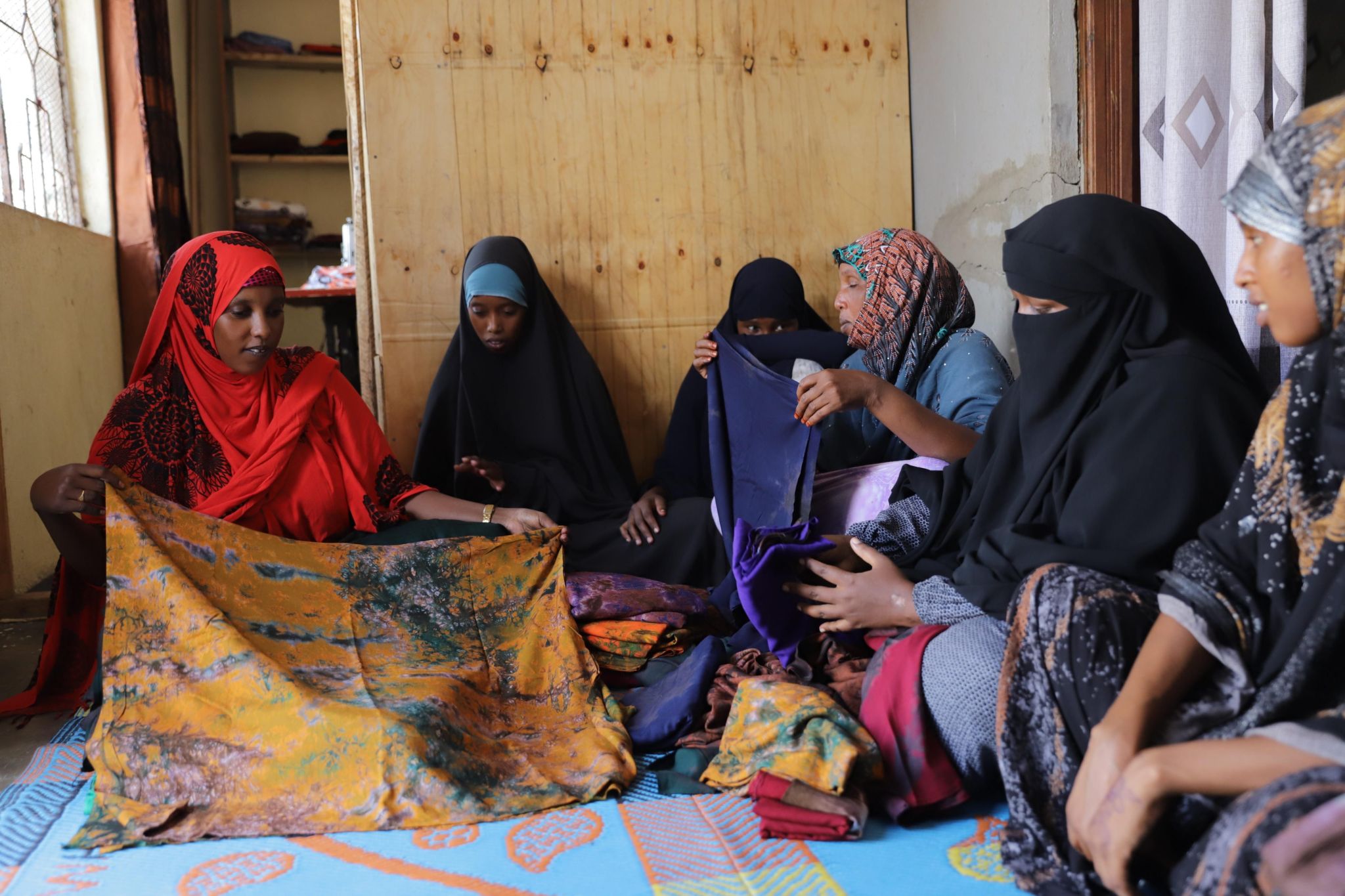
“After the Pastoralist Girls Initiative came in, we received training in financial literacy, livelihoods, hygiene, sanitation and WASH. From those trainings, we learned skills like tie and dye.”
The group now runs several small enterprises, including the production and sale of honey, shampoo and tailored products.
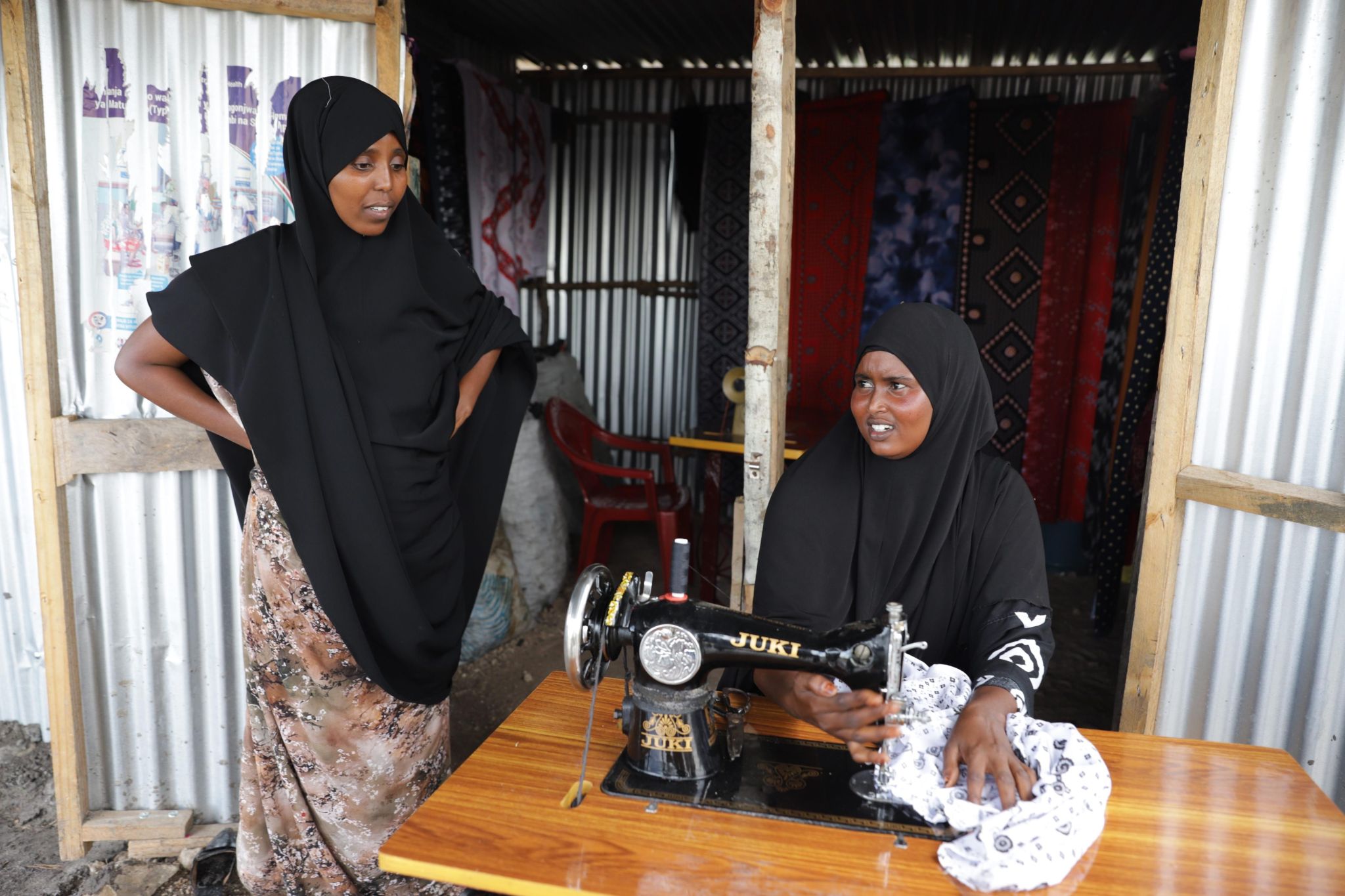
With seed funding from the Pastoralist Girls Initiative, members jointly planned how to invest the funds, purchasing sewing machines to support tailoring activities and generate income for the group.
However, progress has not come without challenges. Nasra notes that deeply rooted cultural norms continue to limit women’s participation in economic and community activities.
“Sometimes when you call members for meetings, they don’t attend because husbands or fathers won’t allow them,” she said.
“The community often doesn’t believe that a woman can achieve her own goals.”
Programme coordinators say addressing these social barriers is as critical as providing financial support.
Madina Yunis Mahat, Gender and Health Coordinator at the Pastoralist Girls Initiative, explained that the intervention was designed to respond directly to the women’s expressed needs.
“When we sat down with the group, they told us that some members had tailoring skills but lacked equipment,” she said.
“We provided sewing machines so they could work, and the income they earn also supports the entire group.”
Madina added that the broader challenge lies in working within patriarchal communities where men dominate decision-making at both household and community levels.
“Cultural and traditional norms often favour one gender over another, especially in access to opportunities,” she noted.
Despite these constraints, the initiative is already demonstrating how training, small grants and community-based support can help women overcome climate vulnerability while strengthening their economic independence.
By promoting skills, entrepreneurship and collective action, the programme is helping women in Garissa move from crisis-driven survival to more sustainable and resilient livelihoods, even in the face of persistent climate shocks.