
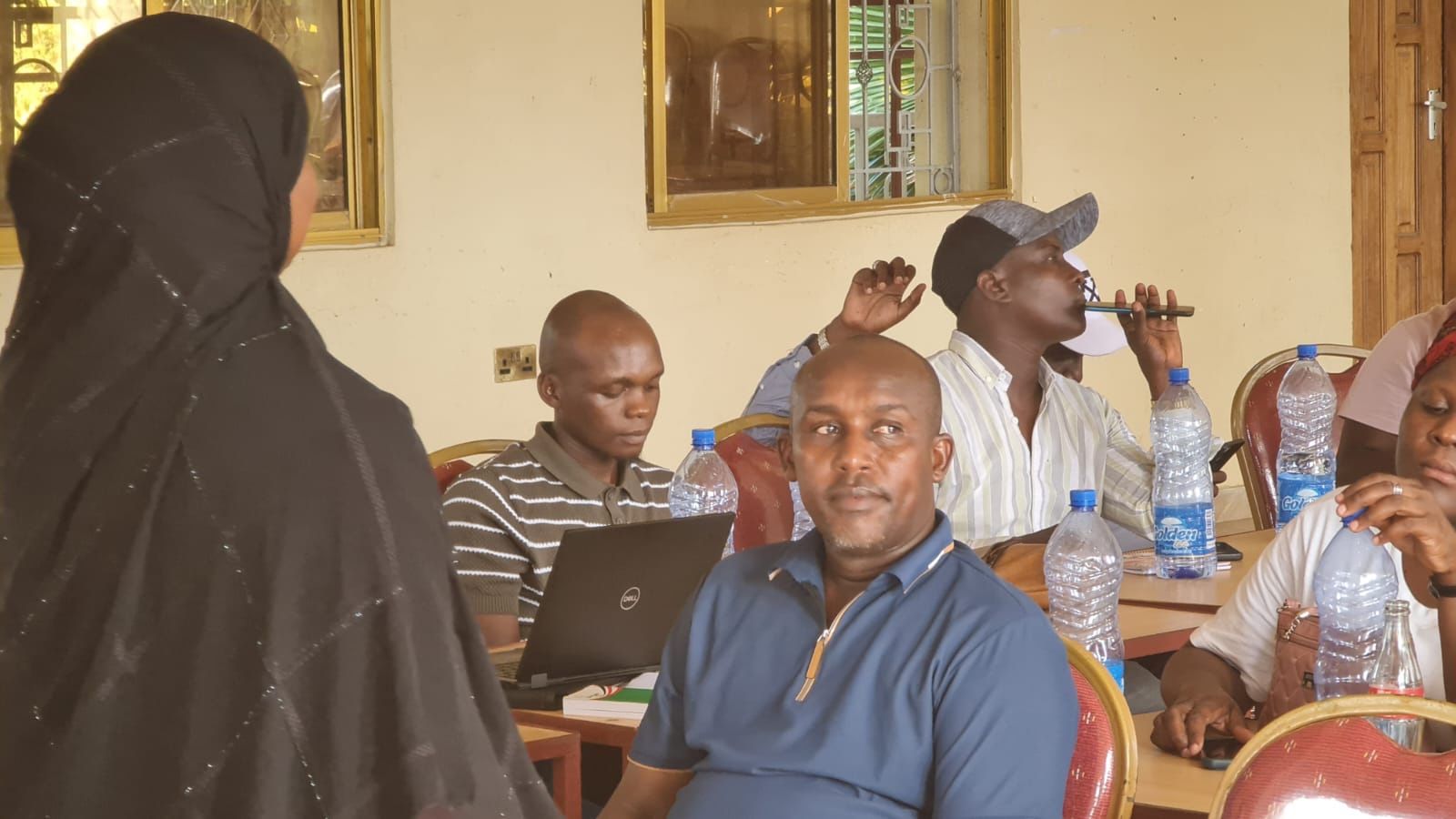
Civil society organisations, youth leaders, and community representatives in Tana River County have received a major boost in their ability to influence disaster preparedness and response efforts following a comprehensive Disaster Risk Management (DRM) advocacy training.
The training, organised by the Pastoralist Girls Initiative (PGI) with support from the United Nations Development Programme (UNDP) under the PREPARE Project, brought together local Civil Society Organisations (CSOs), Community Managed Disaster Risk Reduction (CMDRR) committees, youth leaders, and other community stakeholders.
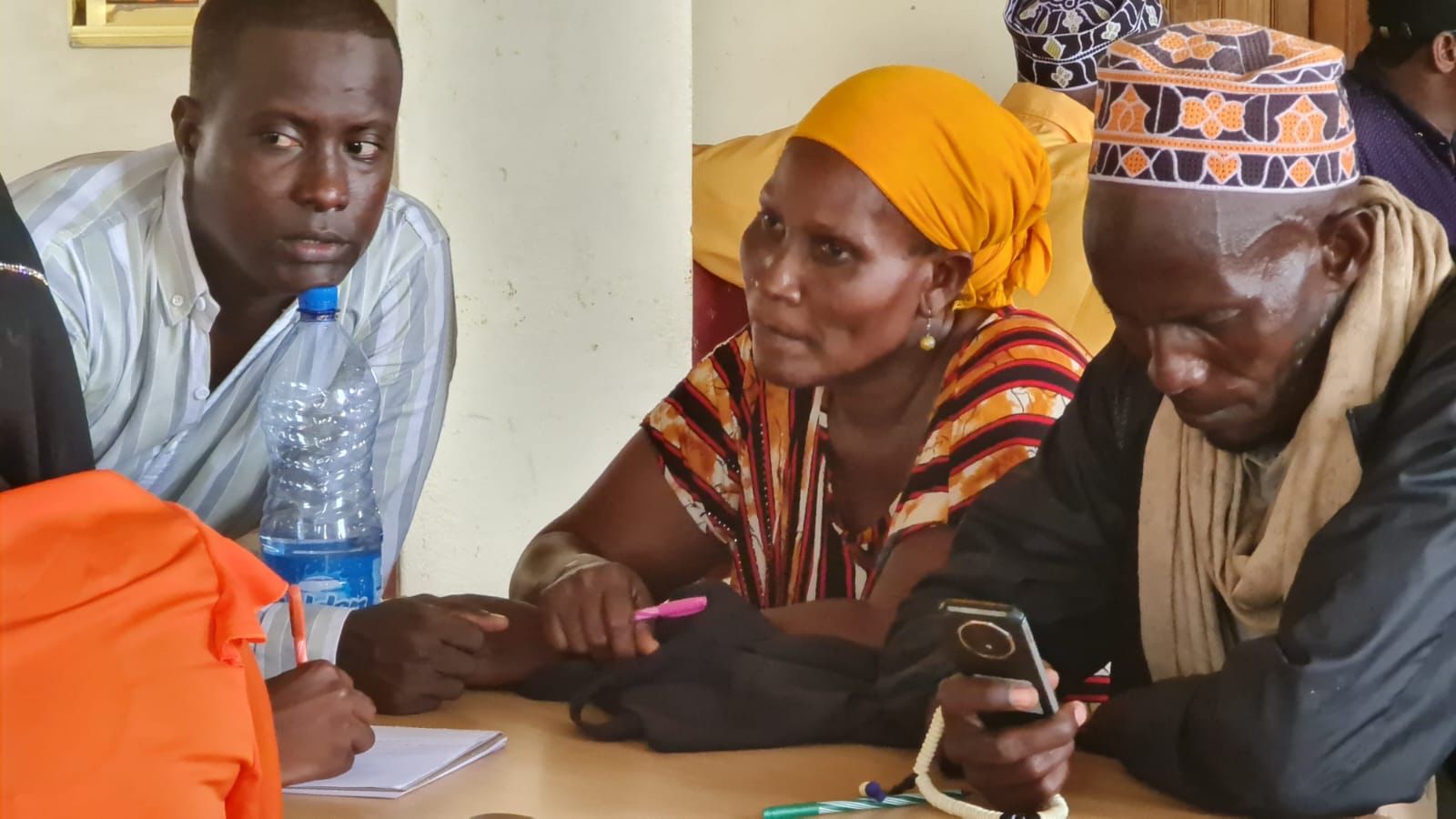
Participants were equipped with practical skills in advocacy, stakeholder engagement, and public budget tracking, key tools expected to strengthen their role in influencing policies and resource allocation for disaster risk reduction.
According to organisers, the training aimed to bridge the gap between communities and decision-makers by empowering grassroots actors to effectively articulate their needs and priorities.
This is particularly critical in Tana River County, where recurrent climate shocks such as floods and droughts continue to disrupt livelihoods and strain local systems.
A key outcome of the sessions was the development of practical action plans by participants.
These plans focus on promoting disaster resilience, advancing inclusive policies, and strengthening community preparedness mechanisms at the local level.
The initiative also emphasised the importance of coordinated efforts between communities and government institutions.
The training was conducted in collaboration with the Tana River County Department of Special Programmes, reinforcing the need for multi-stakeholder approaches in disaster risk management.
Participants expressed optimism that the knowledge gained would translate into tangible change, particularly in enhancing accountability and ensuring that disaster preparedness interventions are responsive to community needs.
With strengthened advocacy capacity and clearer action pathways, CSOs and community leaders in Tana River are now better positioned to influence decisions, policies, and investments that underpin long-term resilience.
As stakeholders continue to build on the momentum from the training, the message remains clear: empowered voices at the community level are essential in creating safer, more resilient societies.