
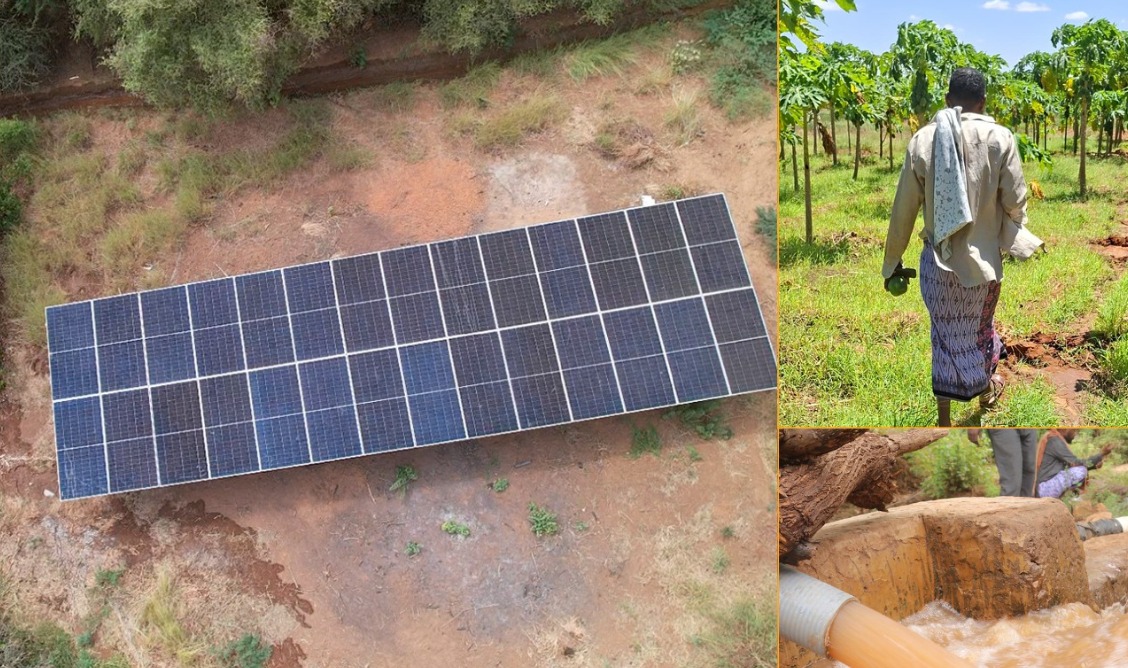
A group of farmers in Bur Abor, Dollow District, Somalia, are earning nearly KSh254,000 per month after transforming previously abandoned farmland into a thriving agricultural enterprise through solar-powered irrigation.
The 15-member Local Community Interest Group (LCIG) has turned land that was once considered too costly to cultivate into a productive farm supplying fruits and vegetables to local and cross-border markets.
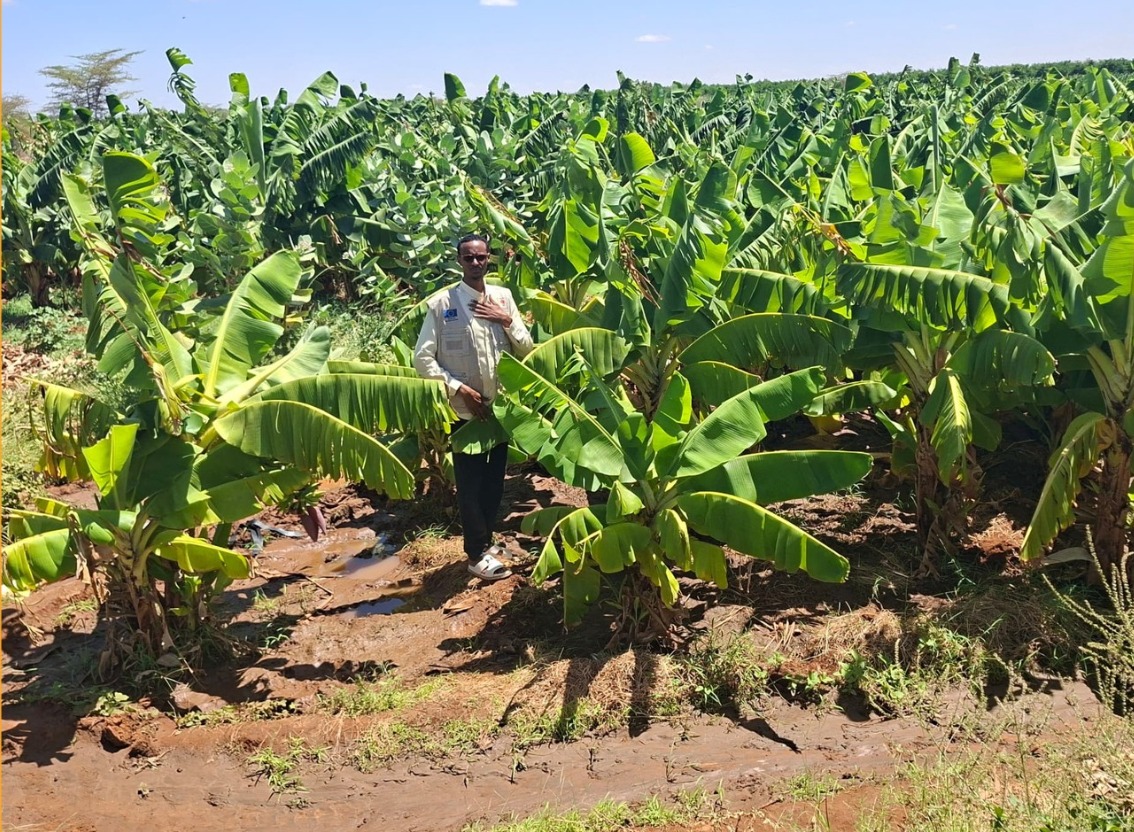
According to the group's chairperson, Mohamed Sugow, the farmers now earn approximately USD 1,960 (about KSh254,000) per month from farmgate fruit sales following the introduction of solar irrigation systems. The figures are based on an exchange rate of approximately KSh129.4 to one US dollar.
“For years, we struggled with high irrigation costs because we depended on fuel-powered pumps. Today, we earn about USD 1,960 a month from farmgate fruit sales. Because we no longer spend money on fuel, we have recovered five more acres on our own and brought them back into production,” said Sugow.
For many years, the farm remained underutilised due to the spread of invasive Prosopis vegetation and silt deposits from the nearby Juba River, which reduced the land's productivity.
Although farmers recognised the potential of the land, the high cost of irrigation made farming a risky and expensive venture. In some cases, farmers were forced to sell livestock to purchase fuel for water pumps, making agricultural production unsustainable.
The situation changed through the European Union-funded BORESHA-NABAD programme, implemented by the Danish Refugee Council (DRC) in Somalia.
The programme supported the group with solar-powered irrigation technology, strengthened its cooperative structure, and facilitated access to markets.
Farmers were also linked to registered agrovet partners for training on good agricultural practices, access to certified seeds, and on-site technical support.
Today, the farm produces a variety of crops, including papayas, bananas, onions, tomatoes, maize, and hot peppers. Sales from papayas and bananas alone generate approximately USD 530 (about KSh68,600) per week.
After transport and labour costs, the group retains an estimated net income of USD 490 (about KSh63,400) weekly, translating to nearly KSh254,000 per month.
The introduction of solar-powered irrigation has significantly reduced production costs while improving the reliability of water supply.
As a result, farming has become more commercially viable and attractive to the group, enabling members to reinvest their earnings and expand production.
The project has also improved market access. Rather than transporting produce to distant markets, farmers now attract off-takers and vegetable vendors directly to the farm.
The produce is supplied to Dollow District and neighbouring towns in Ethiopia, creating stronger links between local agricultural production and regional demand.
The group's success demonstrates how access to reliable water, improved farming practices, and stronger market connections can transform livelihoods.
What was once abandoned land has become a profitable enterprise, with farmers independently reclaiming and cultivating an additional five acres using income generated from the farm.
For the farmers of Bur Abor, solar-powered irrigation has not only reduced costs but also turned farming from a high-risk activity into a sustainable investment capable of generating income, creating jobs, and strengthening food security in the region.