
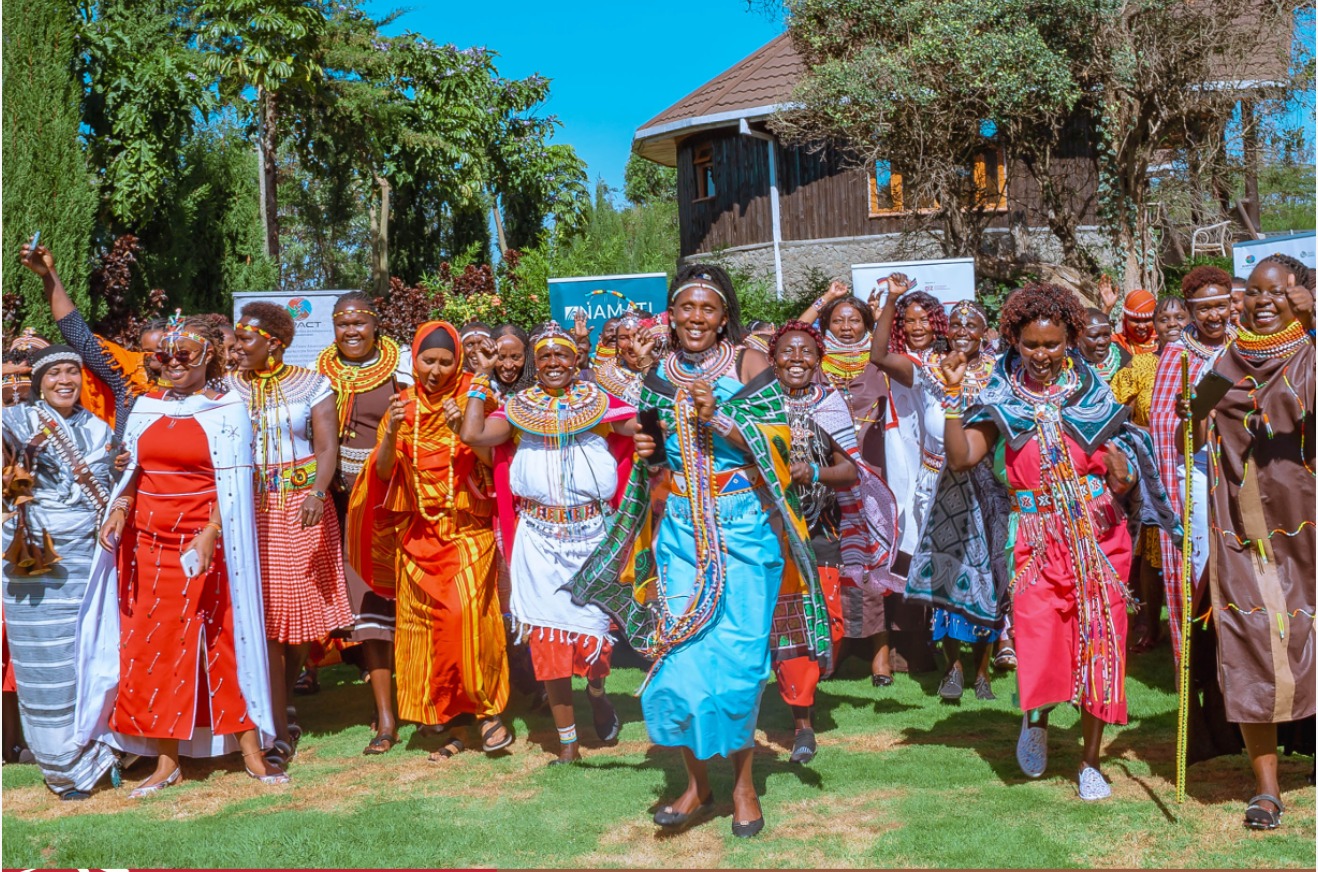
Pastoralist women from across East Africa are calling for far-reaching policy and legal reforms to safeguard their land rights, traditional knowledge, and livelihoods, warning that existing systems continue to marginalise them despite their central role in sustaining pastoral economies.
The demands were outlined by the East African Pastoralist Women Forum, drawing from lived experiences, priorities, and solutions developed by women pastoralists in different contexts across the region.
The forum argues that pastoralism remains one of the most viable economic systems in arid and semi-arid lands, yet continues to receive limited policy recognition and investment.
At the centre of the proposals is a call for secure land rights for pastoralist women, including formal recognition of women as land owners.
The women are pushing for accessible land ownership documentation, such as title deeds, national identification cards, and marriage certificates, to strengthen tenure security and protect families from dispossession.
They are also advocating for the development of women-friendly land monitoring platforms to enhance transparency and accountability in land governance, alongside reforms to land policies that vest underground resources solely in the state.
According to the forum, benefit-sharing mechanisms must be reviewed to ensure fair returns to communities that have historically protected and sustained these resources.
Beyond land, pastoralist women are urging governments to expand access to economic opportunities and essential services tailored to mobile pastoral lifestyles.
Key recommendations include flexible and mobile education systems, solar-powered schools, and mobile health clinics that can move with pastoralist families.
The women also want increased direct financial access for informal, community-rooted social groups that provide social protection and build resilience, particularly for women and young people.
They also called for continuous access to timely information on human rights, women’s rights, and land ownership, taking into account the seasonal mobility of pastoralist communities.
On regional integration, pastoralist women are pushing for cross-border mobility agreements that allow communities to access grazing resources without restrictions or sanctions.
They also seek incentives for livestock production and trade, including reduced taxation in markets, as well as increased public investment in human and capital resources to reflect the economic contribution of pastoralism.
The forum emphasised the need to recognise pastoralist traditional knowledge as legitimate and equal to scientific knowledge.
It called for safeguards to protect pastoral products and indigenous knowledge from misappropriation, including quality assurance protocols and oversight mechanisms that involve customary institutions.
Pastoralist women also raised concerns about investment practices on pastoral lands, urging investors to consult and engage directly with women before project approvals.
They stressed that public participation should precede land agreements, and negotiations should respect community timelines to allow meaningful engagement.
The recommendations, the forum says, are aimed at ensuring pastoralist women are no longer invisible in policy processes, but recognised as rights holders, economic actors, and custodians of valuable knowledge systems essential to sustainable development in the region.