
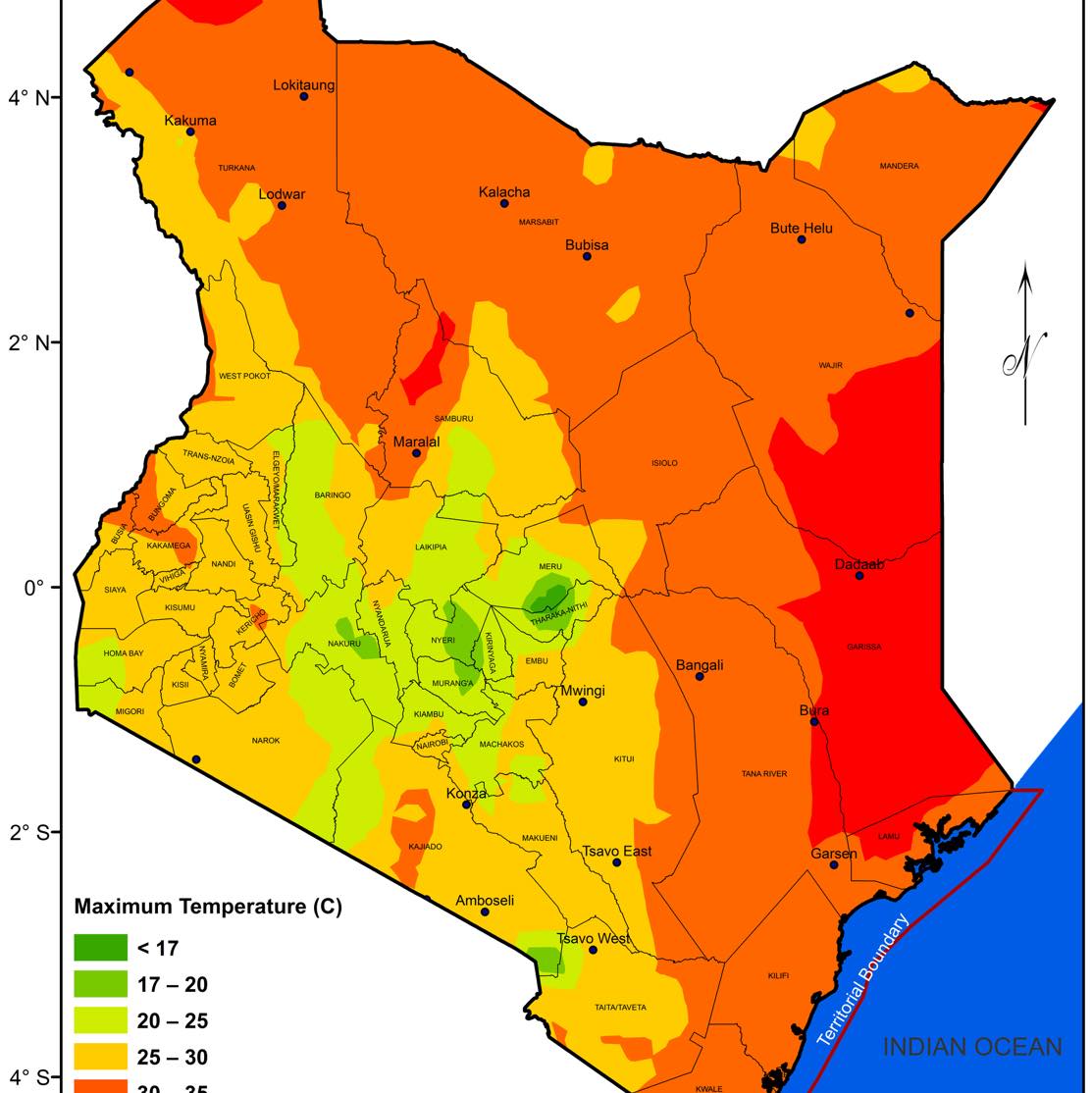
The Kenya Meteorological Department has announced that Northern Kenya will experience a delayed onset of the March–April–May 2026 long rains compared to other parts of the country.
In an update issued on February 24, the department indicated that several counties in the arid and semi-arid regions are likely to receive the start of the rainy season later than usual, even as heavy rains continue to pound other regions across the country.
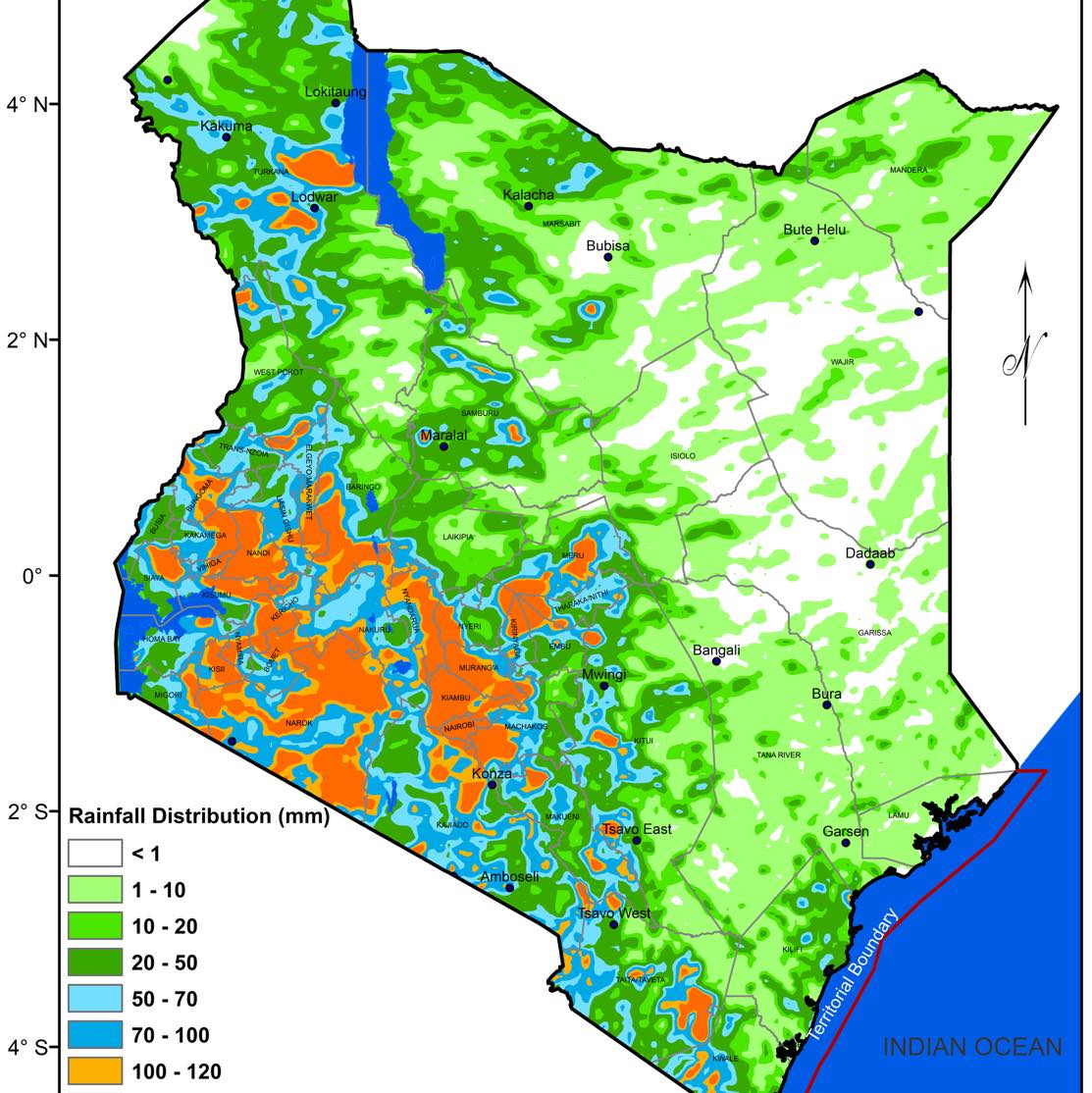
According to the forecast, the northwestern counties of Turkana County and Samburu County are expected to experience the onset of the long rains between the first and second week of April.
A similar timeline is projected for the northeastern region, including Wajir County, Isiolo County, Garissa County, Mandera County and Marsabit County, where the rainy season is also expected to begin during the same period.
The department noted that although some areas have already received light showers in late February and early March, these do not yet meet the official threshold for the onset of the season.
For rainfall to be considered the start of the long rains, the department explains that an area must receive at least 20 millimetres of rainfall within three consecutive days.
Meteorologists further cautioned that rainfall activity could decline from mid-March due to changes in prevailing weather systems.
This shift may result in temporary dry spells in some northern counties before the consistent rains begin in April.
The delayed onset could have implications for pastoralist communities that rely heavily on seasonal rains to replenish pasture and water sources for livestock.
Authorities and communities in the region are therefore being advised to monitor weather updates closely and prepare for possible fluctuations in rainfall patterns.
Meanwhile, other parts of the country are already experiencing heavy rains, highlighting the uneven distribution of the seasonal rainfall across Kenya as the MAM season gradually unfolds.