
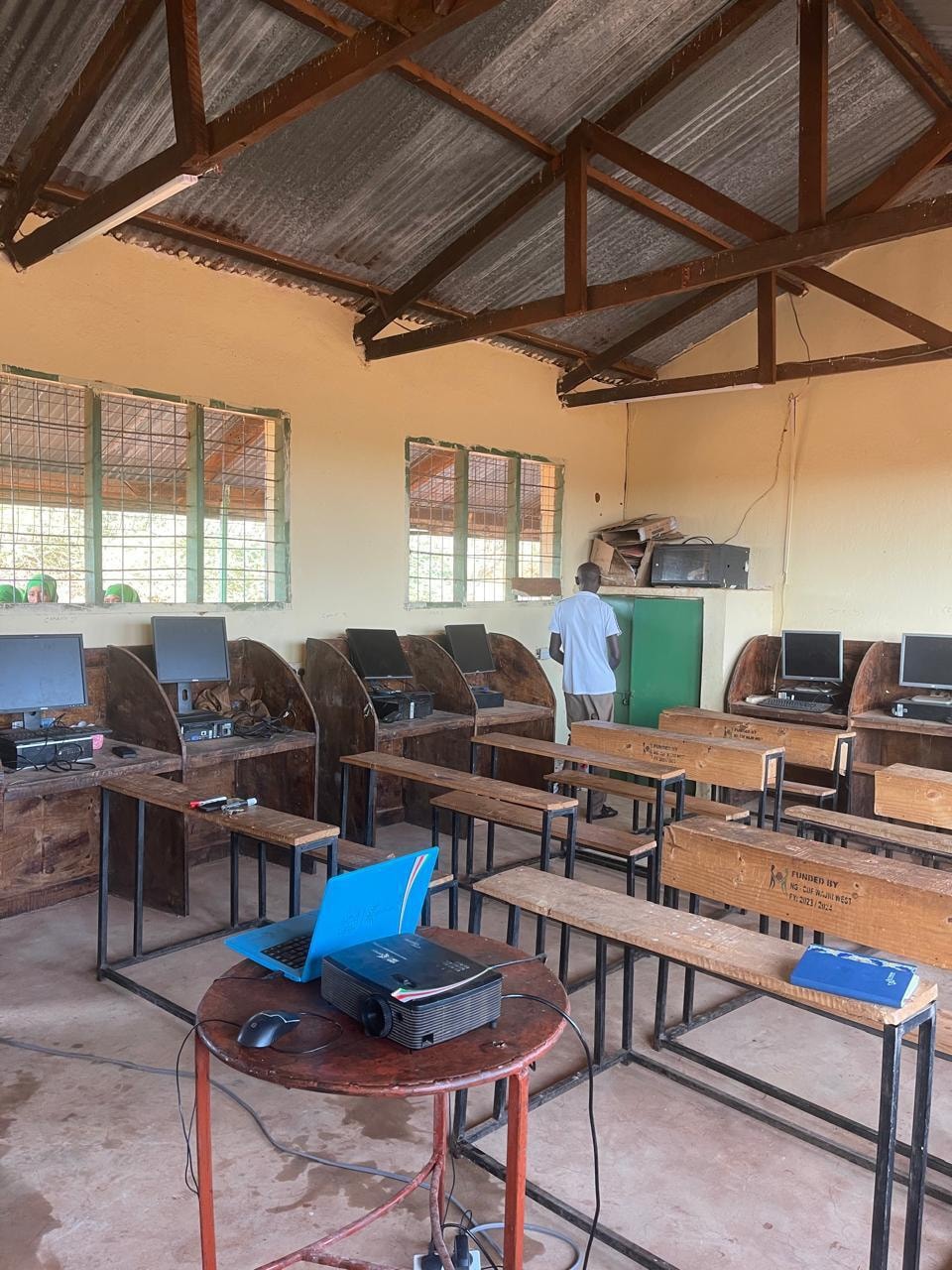
In northern Kenya, drought has long shaped daily life. For generations, pastoralist communities have adapted to harsh seasons by moving with their livestock and adjusting to uncertain rainfall.
But in recent years, droughts have become more frequent, more intense, and more destructive, leaving damage that extends far beyond lost animals and empty granaries to the classrooms of the region.
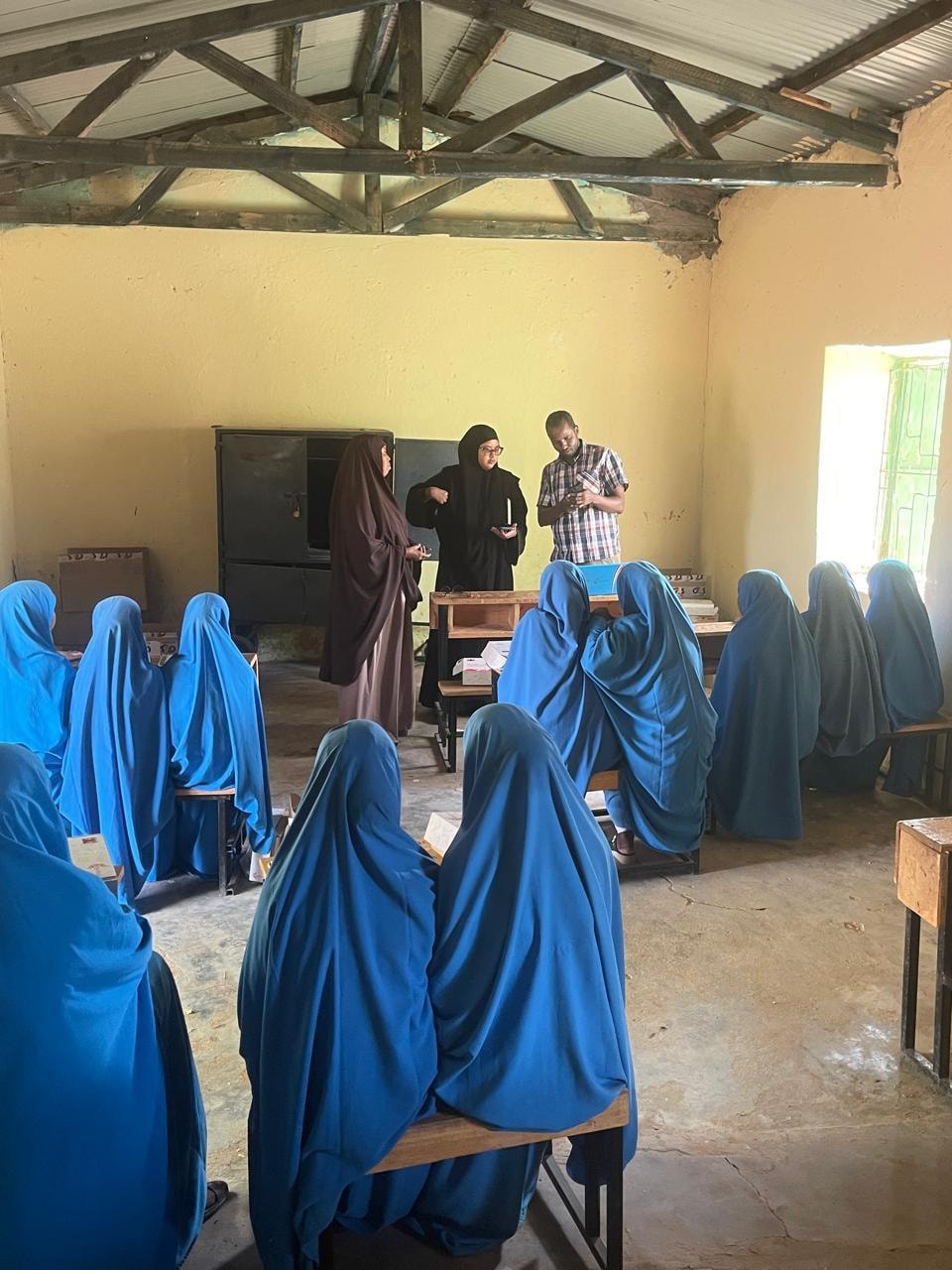
According to Abdullahi Maalim, a governance and policy expert with more than 25 years of experience in public administration, devolution, and institutional reform, what was once primarily a humanitarian challenge is steadily evolving into an education crisis across the Arid and Semi-Arid Lands (ASAL).
Repeated failed rainy seasons have weakened already fragile livelihoods in counties such as Turkana, Marsabit, Wajir, Mandera, and Garissa.
Livestock losses, shrinking household incomes, and worsening food insecurity are forcing families into painful survival decisions, often at the expense of schooling.
“When pasture and water disappear, families migrate, and children move with them. Learning is interrupted for weeks or months, and many never return to school,” Maalim observes.
Attendance patterns during drought periods reveal a predictable cycle. Enrollment declines as households relocate or struggle to meet basic needs, while older children are withdrawn to herd livestock or support domestic responsibilities.
For girls, the consequences are even more severe, with prolonged economic stress increasing exposure to early marriage and permanent dropout.
What begins as a temporary absence gradually becomes a lifelong exclusion from education.
Hunger deepens the crisis. In many northern counties, the most reliable daily meal a child receives is provided at school. When drought tightens food supplies, children either attend classes hungry or stop attending altogether.
Malnutrition weakens concentration, slows cognitive development, and reduces learning outcomes, even for those who remain in school.
Teachers increasingly report learners who are physically present but unable to engage effectively due to fatigue and hunger.
Water scarcity is also undermining the learning environment. Many schools rely on seasonal rainwater harvesting or distant water sources that become unreliable during prolonged dry spells.
Without adequate water, sanitation deteriorates, hygiene standards fall, and normal school operations are disrupted.
Girls are disproportionately affected, as inadequate sanitation facilities contribute to absenteeism and eventual withdrawal.
These disruptions are unfolding at a time when Kenya is implementing major education reforms aimed at improving national learning outcomes.
Yet in drought-affected counties, maintaining consistent attendance remains a persistent challenge.
The gap between learners in northern Kenya and those in more stable regions continues to widen, not because of a lack of effort or commitment from communities and educators, but because environmental shocks repeatedly erase progress achieved during better seasons.
Maalim warns that the long-term consequences are significant. Education is central to building resilience in pastoralist communities, offering pathways to livelihoods less vulnerable to climate change.
When learning is interrupted year after year, young people lose opportunities to acquire the skills needed to adapt to changing economic realities.
Vulnerability to climate shocks and limited educational attainment begin to reinforce one another, creating a cycle that becomes increasingly difficult to break.
Addressing drought as an education issue, he argues, requires moving beyond emergency response.
Sustained investment in school feeding programmes is essential, not only during declared crises but as a continuous safeguard for learning.
Reliable water infrastructure for schools can keep institutions operational through dry seasons, while flexible learning approaches that accommodate pastoral mobility can help ensure continuity of education even when families must move.
Above all, Maalim emphasises that education planning in ASAL regions must be grounded in climate realities rather than assumptions of stability that no longer exist.
Drought in northern Kenya is often measured in livestock deaths or relief food distribution.
Less visible, but equally damaging, is the loss unfolding in classrooms where interrupted learning steadily erodes opportunity.
If the trend continues, the region risks raising a generation whose education is shaped more by climate shocks than by national policy ambition.
Protecting education in drought-prone areas, Maalim concludes, is therefore not merely a sectoral concern; it is central to safeguarding the future of northern Kenya itself.