
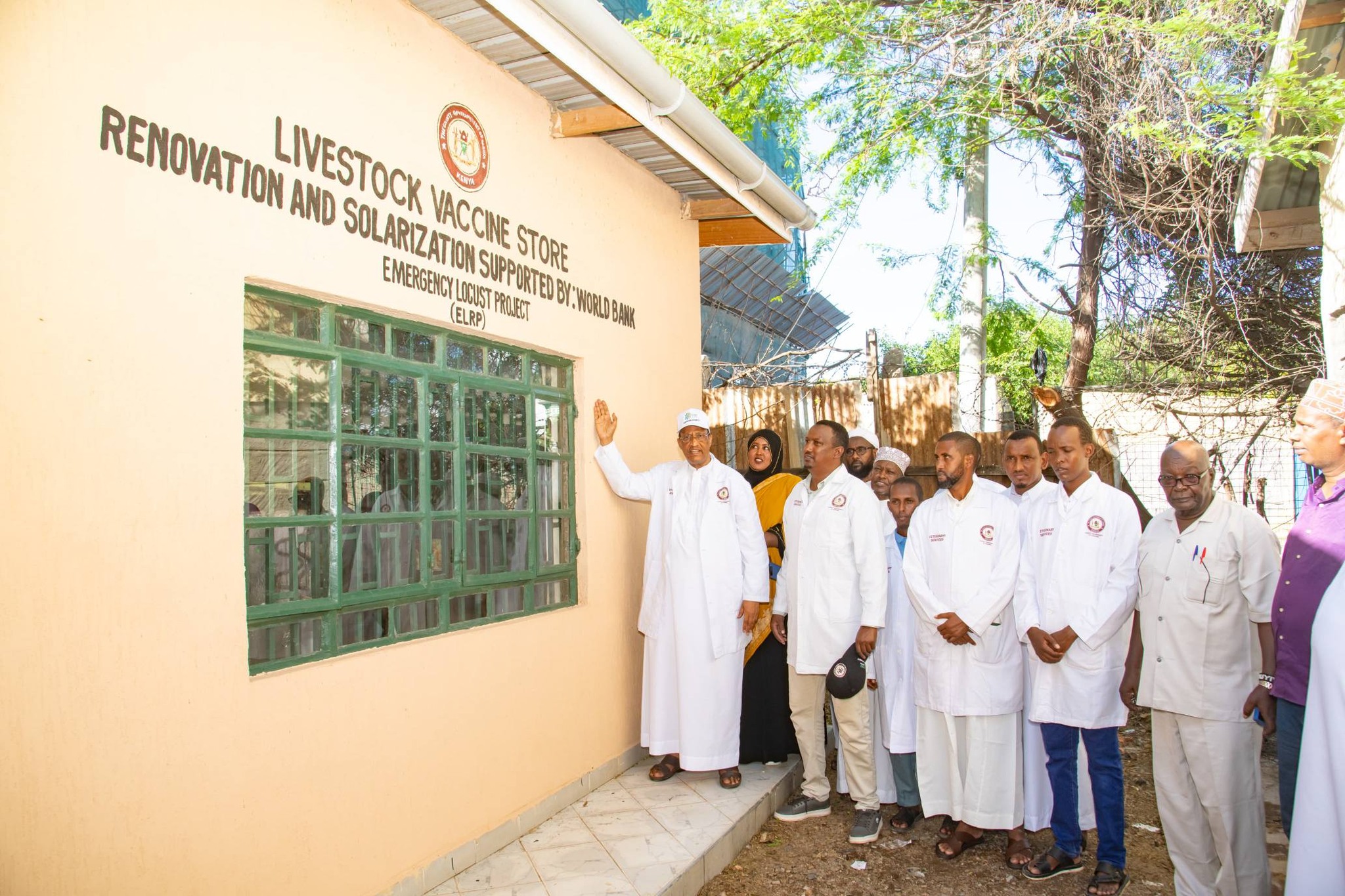
Garissa County has launched a new livestock vaccine storage unit in a major step toward improving animal health, strengthening pastoral livelihoods, and building more resilient community food systems.
The facility, officially opened by Governor Nathif Jama, is the first livestock vaccine storage unit of its kind in Northern Kenya and is expected to significantly improve disease response and livestock health management across the county.
Designed to store up to 10 million livestock vaccine doses and drugs for up to two years, the facility will serve all livestock categories and provide a reliable supply of veterinary inputs for pastoral communities whose livelihoods depend heavily on healthy and productive animals.
The storage unit is equipped with backup solar power to maintain refrigeration during electricity outages, ensuring vaccines remain safe and effective even in remote conditions where power reliability is often a challenge.
Governor Nathif described the project as a major milestone in strengthening community resilience, noting that improved livestock health systems are central to protecting livelihoods, boosting household incomes, and sustaining food security in pastoral areas.
He said the facility will enhance the county’s ability to prevent and respond to livestock disease outbreaks, reduce animal losses, and improve the productivity of herds that many families rely on for food, income, and economic stability.
For pastoral communities, healthier livestock means stronger livelihoods. By improving access to safe and properly stored vaccines, the county aims to reduce disease-related losses that often push vulnerable households deeper into poverty, especially during drought and other climate-related shocks.
County officials said the new storage facility will help improve the efficiency of livestock vaccination campaigns, strengthen veterinary service delivery, and ensure pastoralists can access timely animal health support closer to their communities.
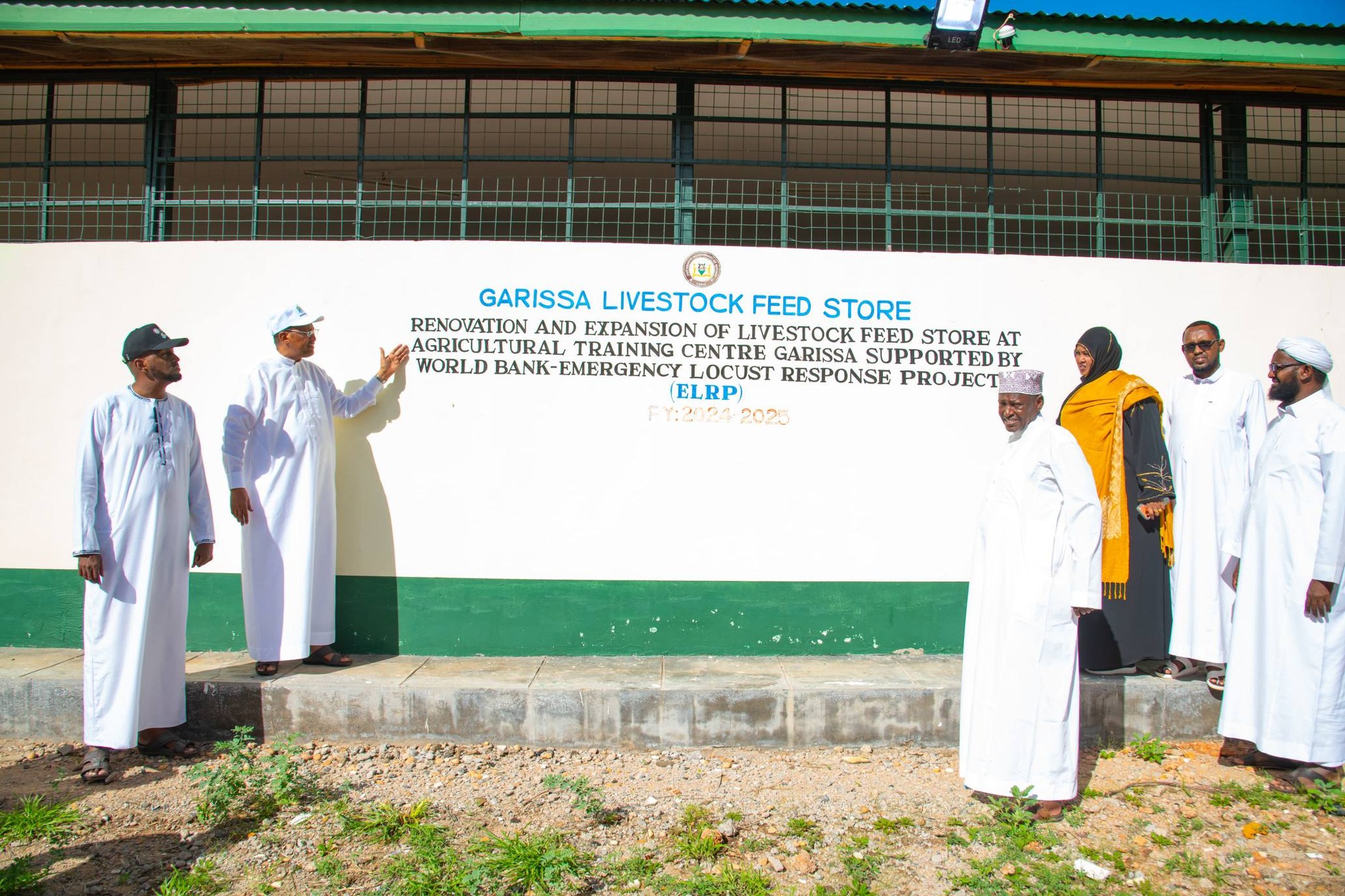
In addition to the vaccine storage unit, Governor Nathif also commissioned a livestock feed store designed to preserve surplus animal feed during the rainy season for use during dry periods when pasture becomes scarce.
The feed store is expected to help communities better manage seasonal feed shortages, reduce livestock stress during drought, and improve herd survival in one of the country’s most climate-vulnerable regions.
Together, the two facilities are expected to strengthen community resilience by helping pastoral households protect their livestock assets, improve productivity, and better withstand recurring climate shocks.
Both projects were funded by the county government under the World Bank-supported Emergency Locust Response Program (ELRP), which is supporting local efforts to strengthen food systems and protect livelihoods.
Governor Nathif also opened new offices for the Food Systems Resilience Program (FSRP), another county-supported initiative aimed at addressing food insecurity through improved agricultural production, stronger market access, and better preparedness for food crises.
County leaders said the new investments reflect a broader strategy to support community development through practical interventions that protect livelihoods, strengthen resilience, and improve long-term food security.
In Garissa, where livestock remains the backbone of household economies, county officials say investments in animal health, feed systems, and food resilience are not just agricultural priorities, but critical foundations for sustainable community development.