
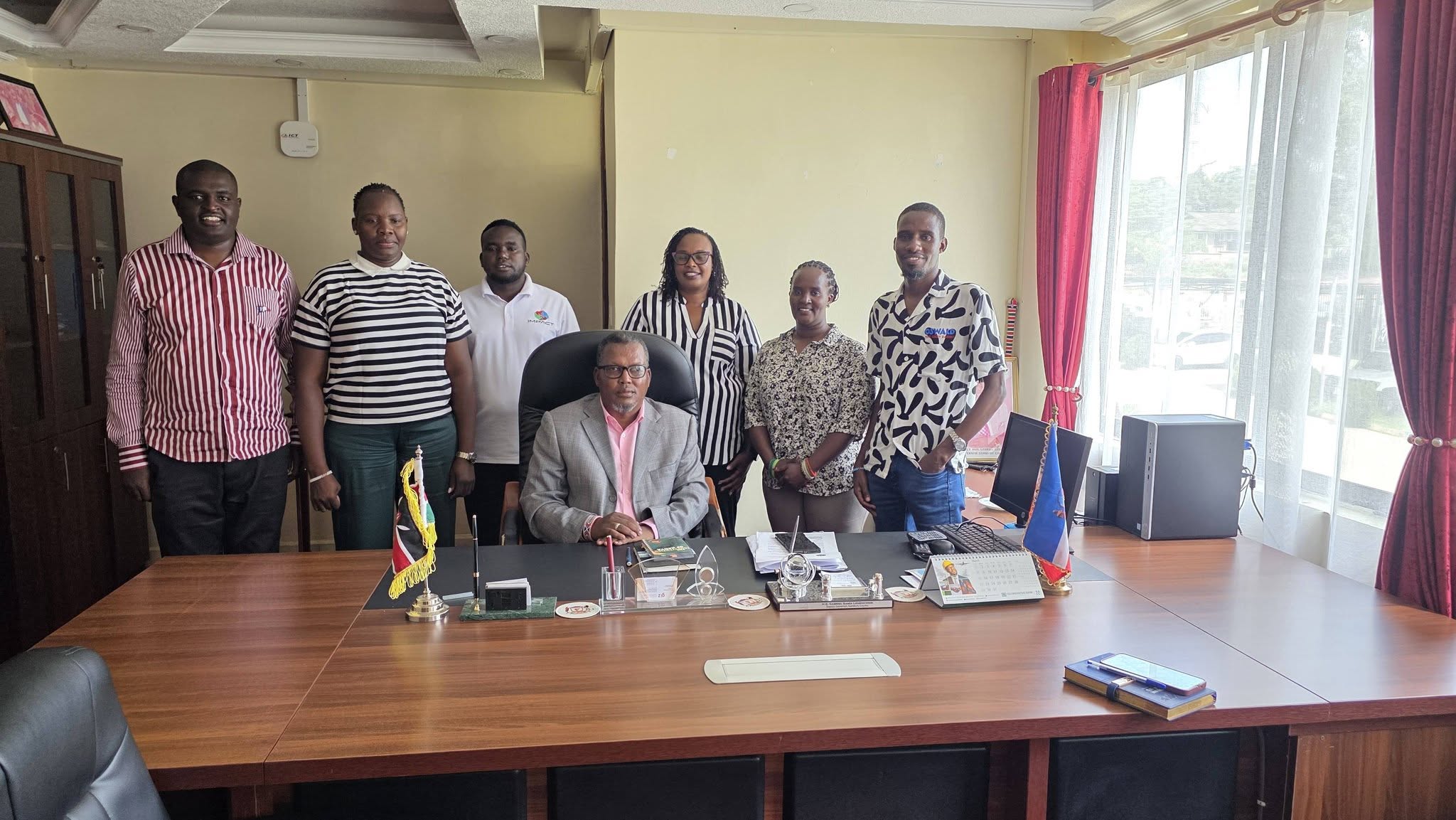
The County Government of Samburu County is set to benefit from a transformative women empowerment initiative aimed at strengthening economic resilience, improving household nutrition, and revitalising the goat milk value chain across Northern Kenya.
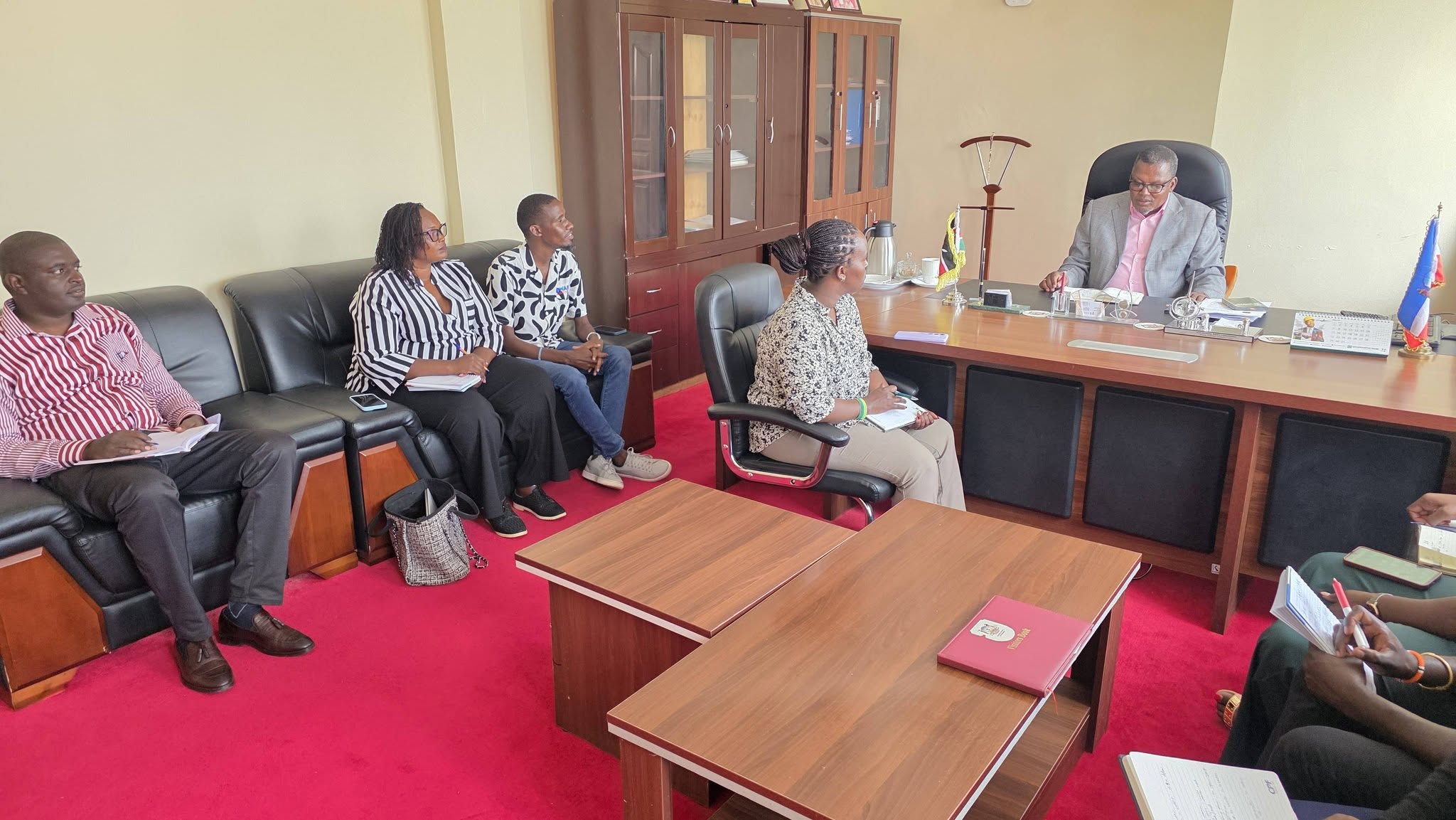
This follows a courtesy call by a team from IMPACT on Samburu County Deputy Governor H.E. Gabriel Lenengwesi, during which the delegation introduced the Women’s Economic Empowerment and Resilience in Pastoralist Communities Project (WEE-RESP).
The programme is a community-led, gender-transformative, and climate-adaptive initiative designed to empower women in pastoralist regions through sustainable economic opportunities and improved market access.
The project will be implemented across Samburu County, Laikipia County, Marsabit County, and Isiolo County.
At the heart of the initiative is the establishment of a model women-owned cooperative that will help revive the goat milk value chain in the region.
The cooperative will support women pastoralists through milk aggregation systems, value-add processes, and linkages to formal, sustainable markets.
The initiative is expected to create new income opportunities for women while also addressing food security and nutrition challenges that continue to affect many pastoralist households due to climate change and recurring droughts.
Speaking during the meeting, Deputy Governor Gabriel Lenengwesi welcomed the initiative, noting that empowering women economically remains critical in strengthening community resilience and sustainable development in Samburu and the wider northern region.
The WEE-RESP project will be implemented in two phases. Phase One will focus on a one-year research and assessment process to understand community needs, opportunities, and existing challenges within the goat milk value chain.
Phase Two will involve a three-year implementation programme focused on rolling out interventions and scaling up economic empowerment activities for women's groups and cooperatives.
The program is also expected to promote inclusive participation, strengthen local production systems, and improve market access for pastoralist communities that have historically faced economic marginalisation.
Leaders and stakeholders expressed optimism that the project will not only improve women's livelihoods but also contribute to long-term resilience, climate adaptation, and economic growth across Northern Kenya.