
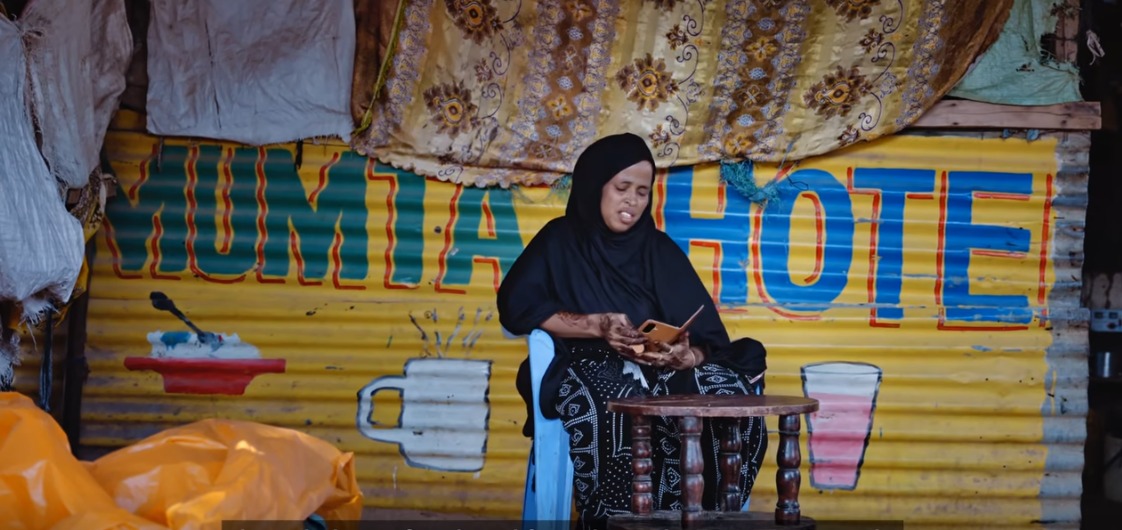
What began as small daily savings among women in a pastoralist community has grown into a thriving business for Siyatha Hussein, the owner of Mumta Hotel in Garissa town.
Hussein, who is also the Secretary of the Modogashe Women Milk Savings and Credit group, says the journey reflects a broader shift in livelihoods in northern Kenya, where communities are increasingly embracing education, enterprise, and financial inclusion.
“In the past, people lived as nomads, but today most have settled, attended school and become educated,” she said.
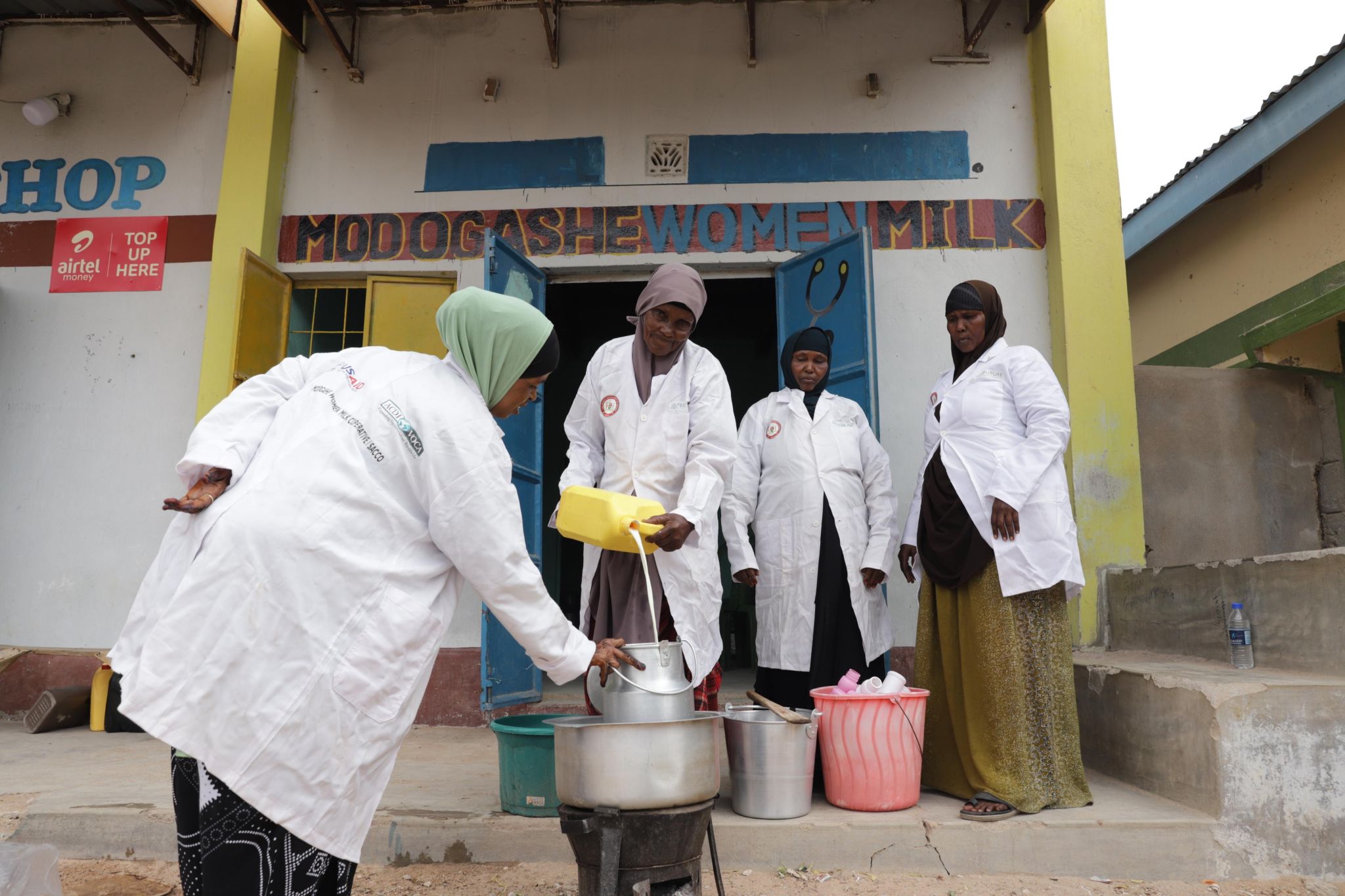
The turning point came in June 2024 when a team from Cooperative Bank visited the group and invited members to a financial literacy seminar.
The women were trained on the importance of saving, after which each member began contributing KSh 50 a day, amounting to KSh 1,500 per month.
“They helped us open an account where we deposit our monthly savings,” Hussein explained.
“They also deposited KSh 200,000 into our account and linked us to another organisation, the Livestock Market System.”
Through the partnership with Livestock Market System, the group received key equipment, including a solar-powered fridge, milk packaging containers, jugs, a generator, tables, saving boxes and storage drawers, assets that strengthened their milk production and marketing activities.
Additional support came from Pastoralist Girls Initiative (PGI), which provided a KSh 121,000 grant to purchase another generator and branding stickers for packaging containers. Beyond milk, the group also invested in buying and rearing goats, which they sell at the Garissa Livestock Market to generate additional income.
It was through the profits shared from these collective ventures that Hussein was able to start her own business.
“Through the profits from the savings group, I opened a small hotel which I am currently earning from,” she said.
“My hotel has been operating for eight months now, and I opened it using the money I got from the savings group.”
Mumta Hotel serves a range of affordable meals popular with residents, including mandazi, bread, ugali, spaghetti and other foods.
The business now provides Hussein with a steady income while contributing to the local economy.
Importantly, the savings culture continues even as members grow their individual enterprises.
Hussein says the group contributes KSh 41,000 every month from its profits into a fixed account that is not shared among members.
“We use the money to buy more goats, but in emergencies such as health issues, funds are also made available,” she noted.
Hussein’s story is a testament to how women-led savings groups, backed by financial literacy and strategic partnerships, are enabling entrepreneurs in Garissa to move beyond subsistence livelihoods and build resilient, income-generating businesses.