
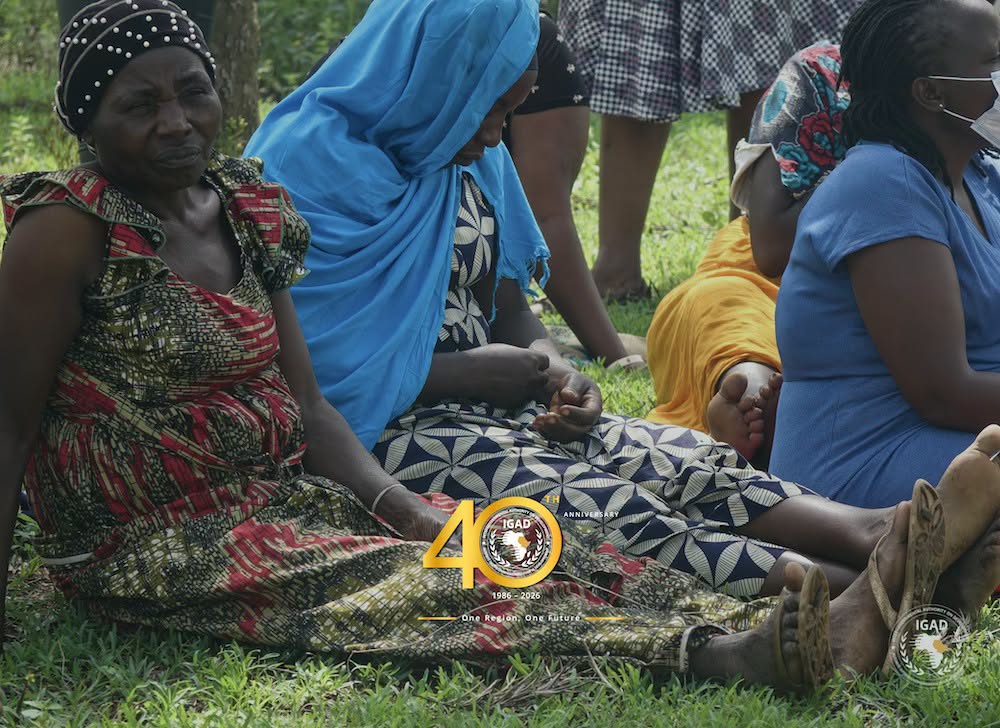
Despite facing discrimination, limited access to services, and economic barriers, refugee and migrant women continue to strengthen communities through entrepreneurship, education, healthcare, and peacebuilding, as the Intergovernmental Authority on Development (IGAD) advances regional initiatives to support their empowerment and inclusion.
Across the IGAD region, women refugees and migrants are making significant contributions to social and economic development by applying their skills, resilience, and lived experiences to improve the well-being of both their families and host communities.
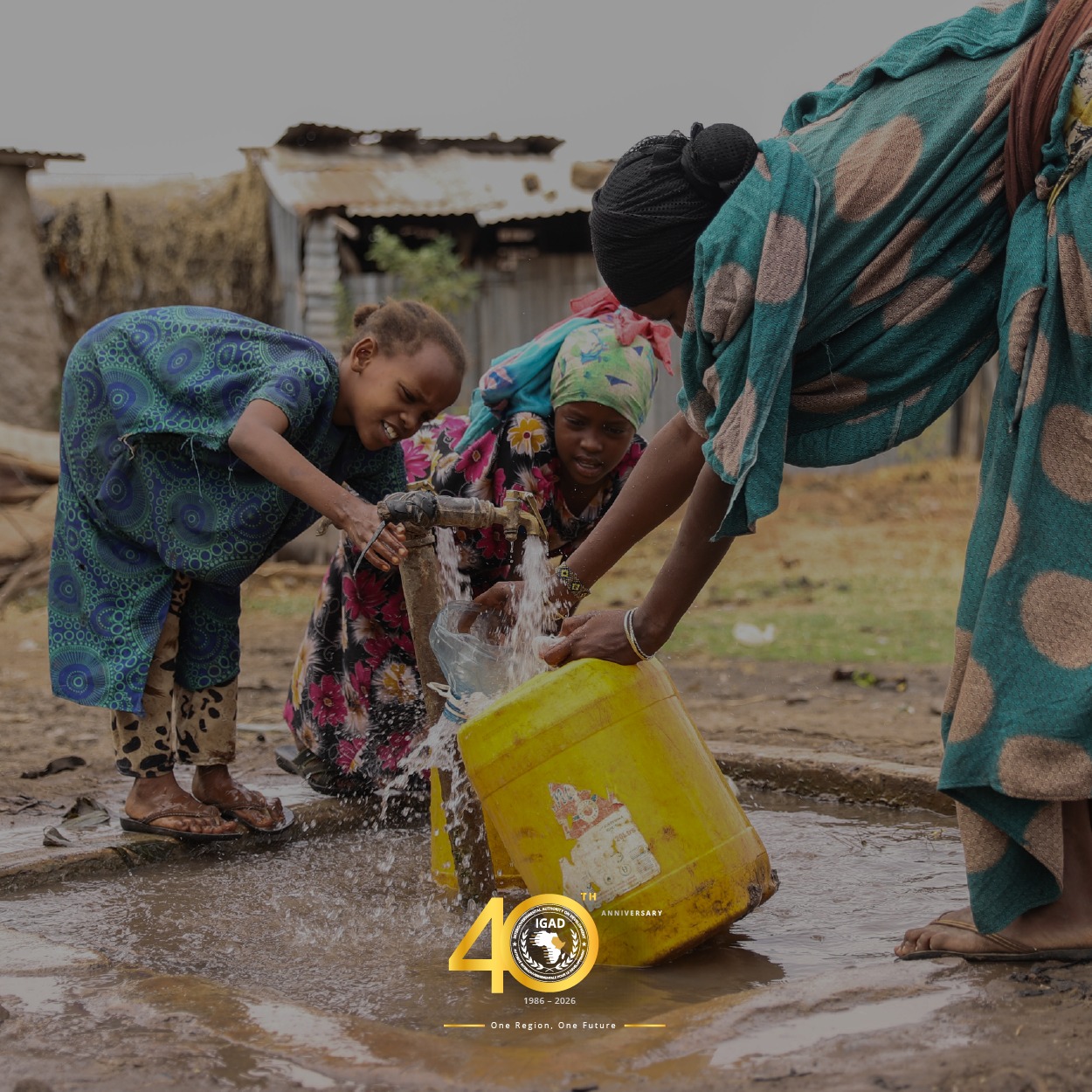
From running small businesses and teaching in classrooms to promoting community health and fostering social cohesion, these women have become vital actors in building more inclusive and resilient societies.
Many refugee and migrant women have turned entrepreneurship into a pathway toward self-reliance.
Through small enterprises such as food vending, tailoring, handicrafts, and other income-generating activities, they are not only supporting their households but also creating employment opportunities within their communities.
Their businesses contribute to local economies while demonstrating the important role women play in driving grassroots economic growth.
Others are contributing to education by working as teachers, tutors, and mentors, helping children and adults access learning opportunities and develop new skills. In healthcare, refugee and migrant women serve as caregivers and community health promoters, improving awareness of essential health services and supporting vulnerable populations, particularly in areas with limited access to healthcare facilities.
Beyond their economic contributions, women are also emerging as important agents of peace and social cohesion.
By acting as mediators, facilitators, and community mobilizers, they help bridge cultural differences, strengthen relationships between refugee and host communities, and promote peaceful coexistence in diverse settings.
However, despite these achievements, refugee and migrant women continue to face multiple challenges that limit their ability to reach their full potential.
Discrimination, social stigma, and restrictive legal frameworks often impede their access to education, employment, financial services, and other essential resources.
Many women remain confined to the informal economy, where jobs are often insecure, poorly paid, and lack social protection.
In displacement settings, women and girls face additional vulnerabilities arising from entrenched gender inequalities and patriarchal social norms.
These barriers restrict their participation in decision-making processes, limit access to productive resources and economic opportunities, and increase exposure to poverty, neglect, and gender-based violence.
Access to healthcare also remains a major concern, particularly for reproductive and maternal health services, while limited social support networks further constrain opportunities for integration and long-term resilience.
Recognising both the immense contributions and the challenges facing refugee and migrant women, IGAD has continued to promote policies and programmes aimed at creating a more supportive and inclusive environment across its member states.
Among the regional initiatives are the Kampala Declaration on Livelihoods, the Regional Qualifications Framework, and programmes supporting Durable Solutions for Refugees, Returnees and Host Communities.
These initiatives seek to enhance economic opportunities, facilitate skills recognition, and strengthen long-term integration for displaced populations.
The IGAD Policy Framework on Refugee Protection further underscores the critical role of refugee women in advancing social development.
The framework calls for greater socio-economic empowerment, increased participation of women in national and regional decision-making processes, and stronger inclusion in community preparedness and climate adaptation initiatives.
By promoting women's leadership in climate resilience and sustainable environmental management, IGAD aims to ensure that refugee and migrant women are not viewed solely as beneficiaries of humanitarian assistance but as active contributors to regional development and resilience.
Development experts note that empowering refugee and migrant women produces benefits that extend well beyond individual households.
Their participation in business, education, healthcare, environmental management, and peacebuilding strengthens local economies, promotes social inclusion, and contributes to more stable and prosperous communities.
IGAD has also emphasised the need for stronger collaboration among governments, international organisations, development partners, and civil society to remove barriers that continue to hinder women's participation.
Such partnerships are considered essential in creating an enabling environment where refugee and migrant women can thrive, exercise their rights, and fully contribute to society.
As displacement continues to shape the socio-economic landscape of the Horn of Africa and the wider IGAD region, empowering refugee and migrant women remains central to achieving inclusive development, strengthening community resilience, and fostering lasting peace.
Ensuring that their voices are heard, their rights protected, and their contributions recognised will be key to building a more equitable and sustainable future for the region.