
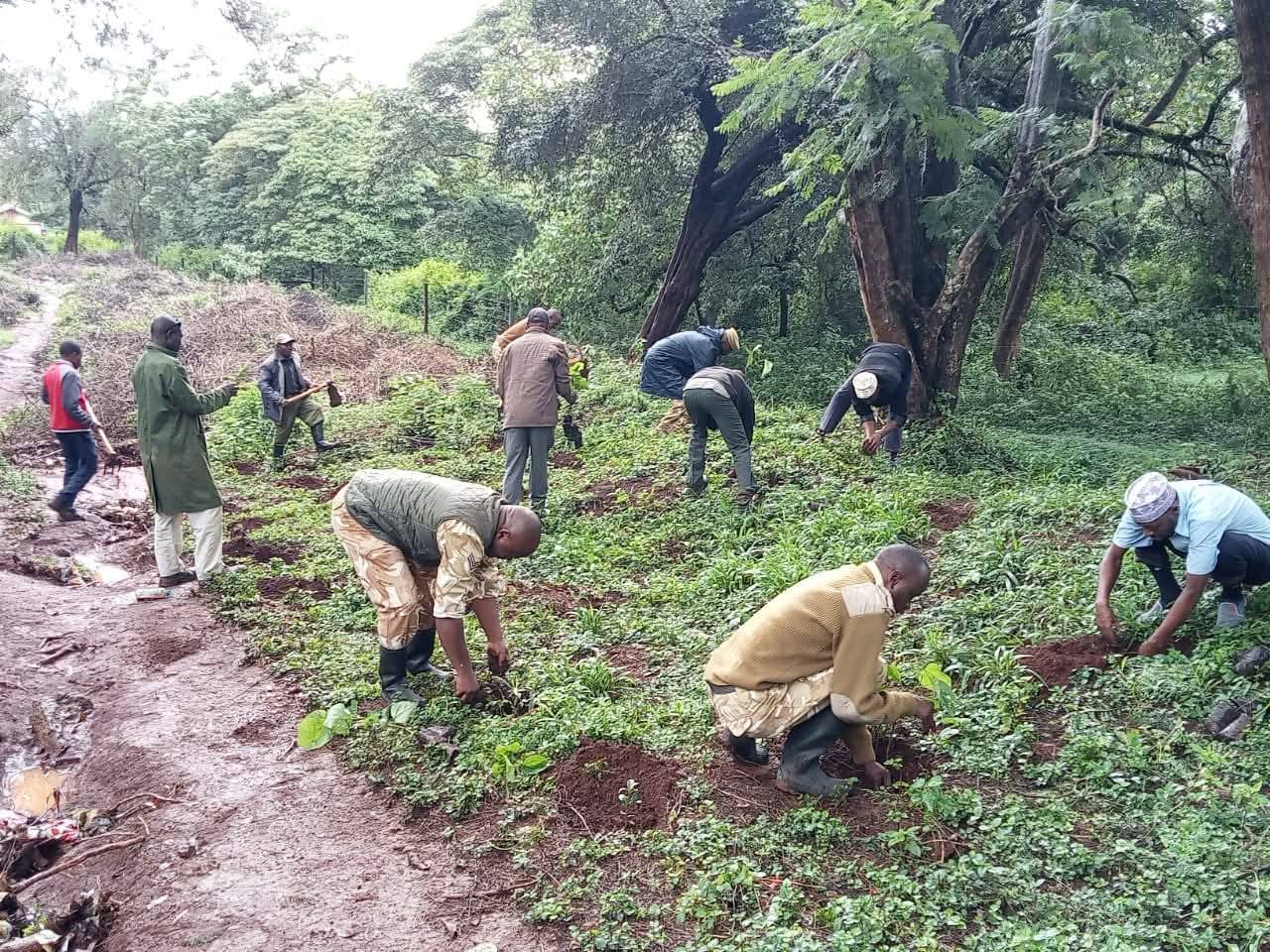
Efforts to restore forests and strengthen biodiversity conservation are gaining momentum at Marsabit National Park, where rangers are actively participating in tree planting and habitat protection as part of Kenya’s ambitious environmental restoration agenda.
The initiative is being spearheaded by the Kenya Wildlife Service (KWS), whose rangers at the park are leading forest restoration activities aimed at protecting ecosystems while supporting the country’s long-term climate and conservation goals.
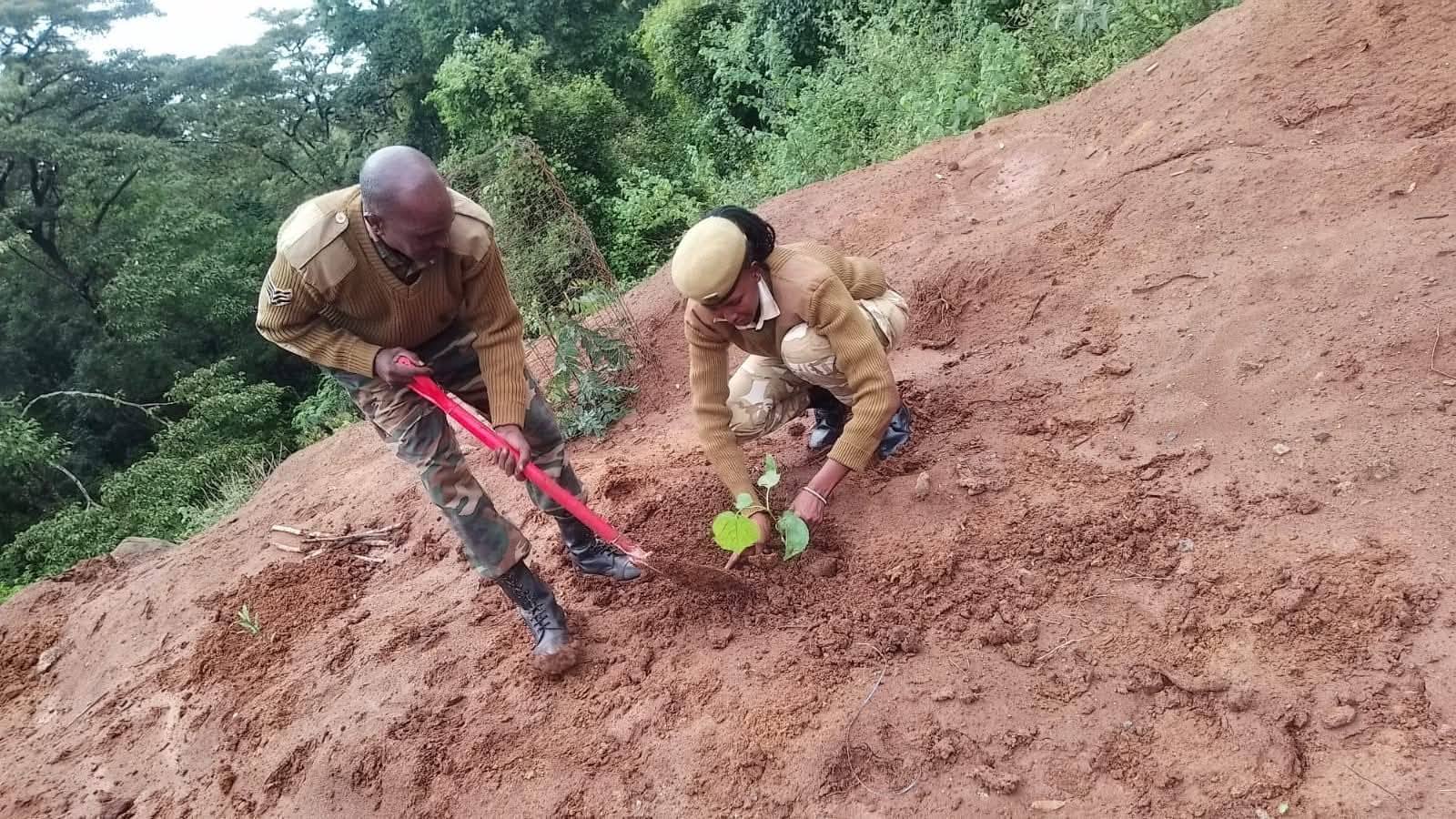
The ongoing programme aligns with Kenya’s national vision to plant 15 billion trees, an initiative championed by William Ruto to increase forest cover, combat climate change, and restore degraded landscapes across the country.
At Marsabit National Park, rangers have been engaging in strategic tree planting and habitat protection efforts to help rebuild forest ecosystems that are vital for wildlife, water catchment areas, and local communities.
These activities are also helping to strengthen biodiversity conservation within the park and surrounding landscapes.
According to conservation officials, protecting forests in key ecosystems such as Marsabit is critical for maintaining ecological balance and ensuring that wildlife habitats remain intact.
The park, known for its unique forest ecosystem within an otherwise arid landscape, plays an important role in sustaining biodiversity in northern Kenya.
Through restoration and conservation programmes, KWS rangers are working to safeguard the region’s natural heritage while contributing to national climate action efforts.
The activities also demonstrate how conservation initiatives can support sustainable environmental management and community resilience.
Environmental advocates note that restoring forests and protecting natural habitats are key steps toward addressing climate challenges while preserving Kenya’s rich wildlife resources for future generations.
With continued commitment from conservation agencies, government institutions, and local communities, initiatives such as those taking place at Marsabit National Park are expected to play a significant role in building a greener and more sustainable Kenya.