
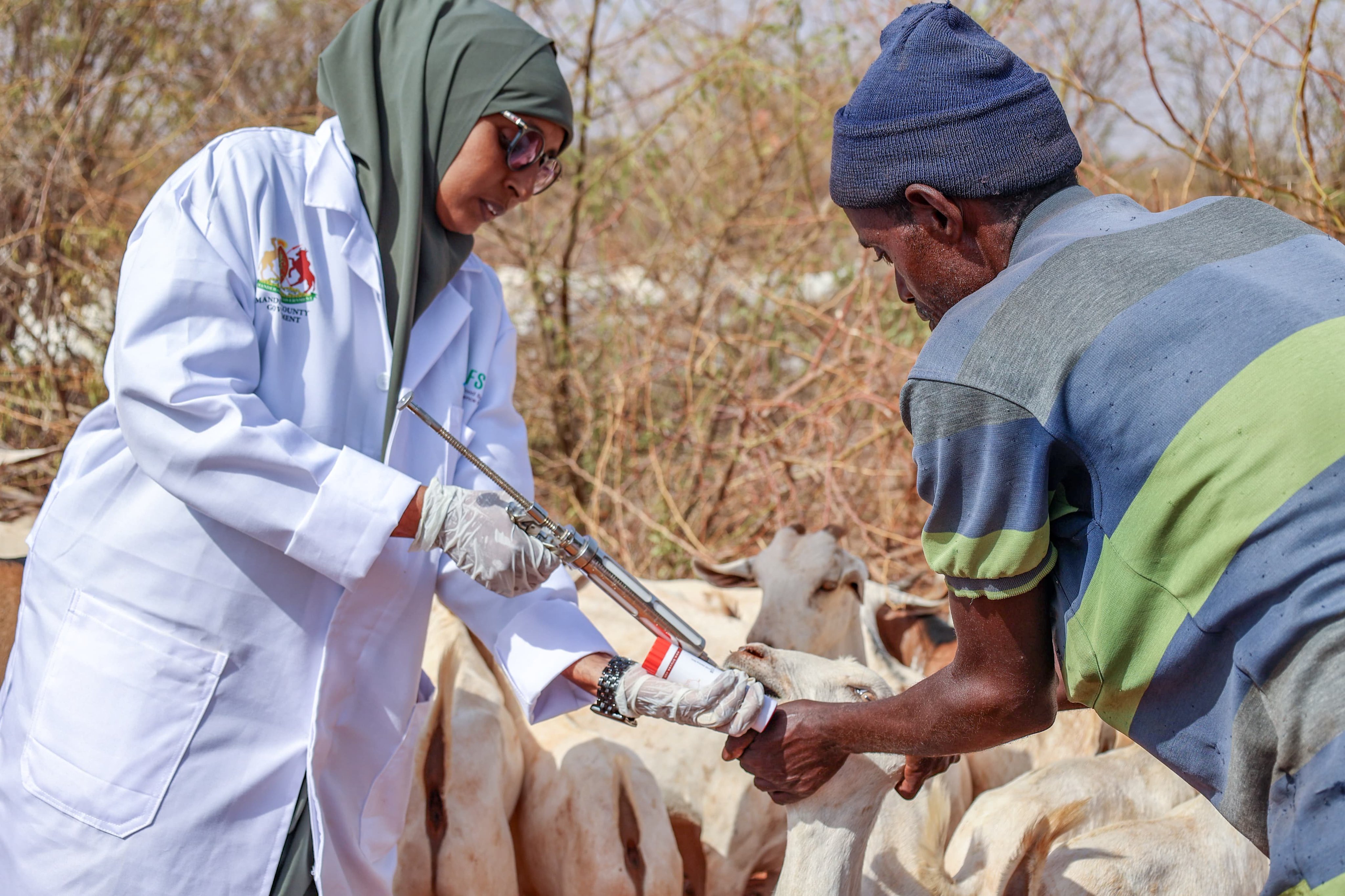
As drought tightens its grip on Mandera County, pastoralist families struggling to keep their herds alive are finding some relief in a new government-led livestock vaccination campaign.
The Ministry of Agriculture and Livestock Development has rolled out an e-voucher–based Peste des Petits Ruminants (PPR) vaccination programme in the county, targeting goats and sheep, animals many families depend on for daily survival.
For herders whose livestock have already been weakened by failed rainy seasons and scarce pasture, disease outbreaks can be the final blow. PPR, a highly contagious disease, has in the past wiped out entire herds in a matter of days.
Unlike previous campaigns, the current exercise uses an e-voucher system, allowing herders to access vaccination services in a more transparent and efficient way, while helping authorities track coverage and vaccine use.
The campaign is being implemented by county veterinary officers working alongside trained community animal health workers, many of whom come from the same communities they serve. This has helped reach animals in remote grazing areas often missed during routine campaigns.
The Ministry says the programme supports Kenya’s ambition to eliminate PPR by 2027, a goal it says is critical to protecting pastoralist livelihoods and national food security.
Vaccination in the Middle of a Drought
The vaccination drive comes as Mandera faces a growing drought emergency. The National Drought Management Authority (NDMA) has warned that drought conditions in the county remain severe, with water sources shrinking and grazing areas depleted.
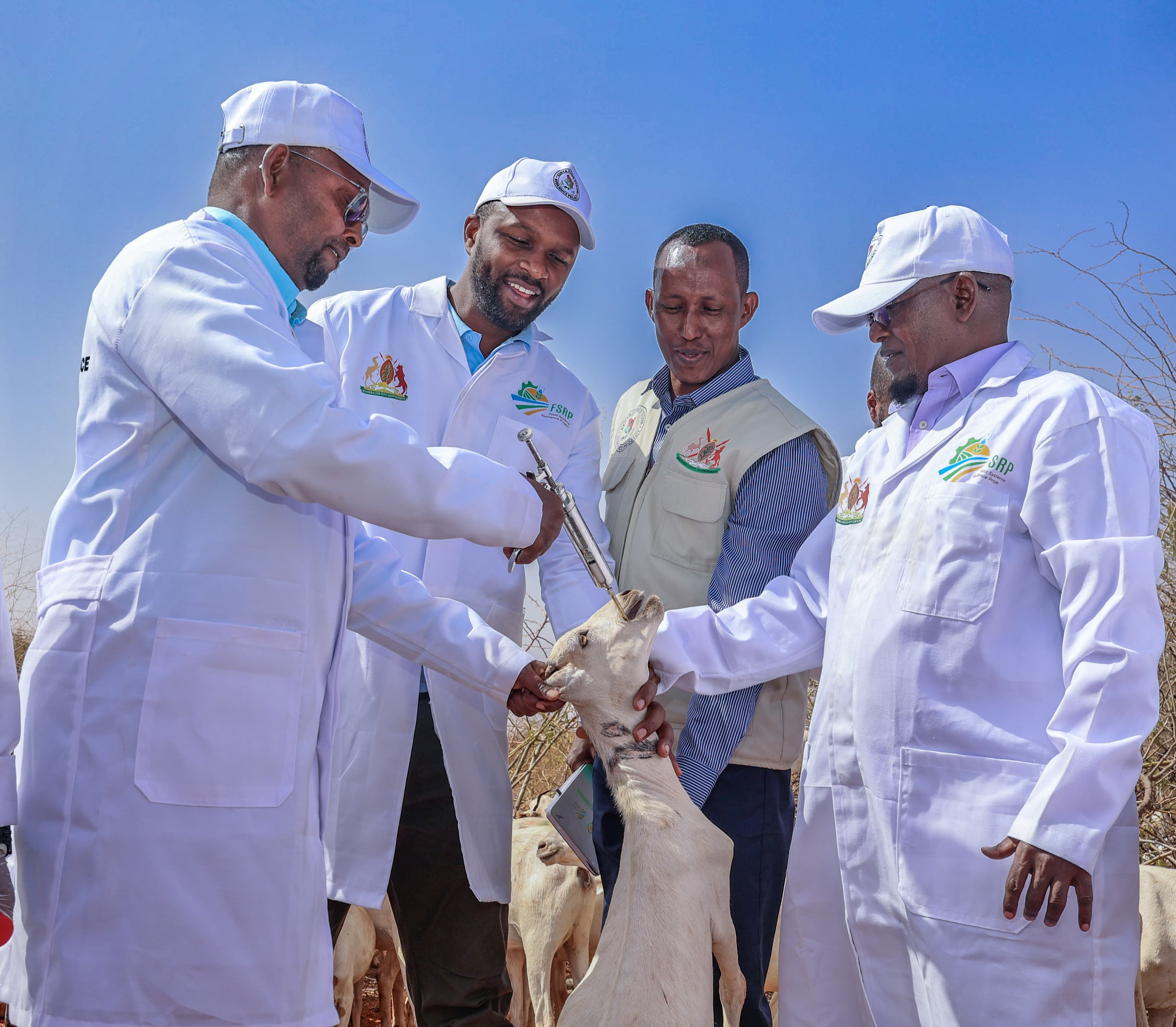
In recent weeks, livestock deaths have been reported in parts of the county, highlighting the fragile state of herds.
At the same time, humanitarian agencies such as the Kenya Red Cross are responding with water trucking, food support and medical outreach to cushion the most vulnerable households.
For many families, the vaccination campaign is about preventing further loss, not recovery.
Officials say protecting livestock from disease during drought is as important as emergency food and water aid, because animals remain the main asset for most households.
As drought response and livestock protection efforts continue side by side, pastoralists in Mandera say what they need most is speed and consistency,before drought and disease claim even more of their herds.
PNTV Africa
Telling Our Stories, Our Way