
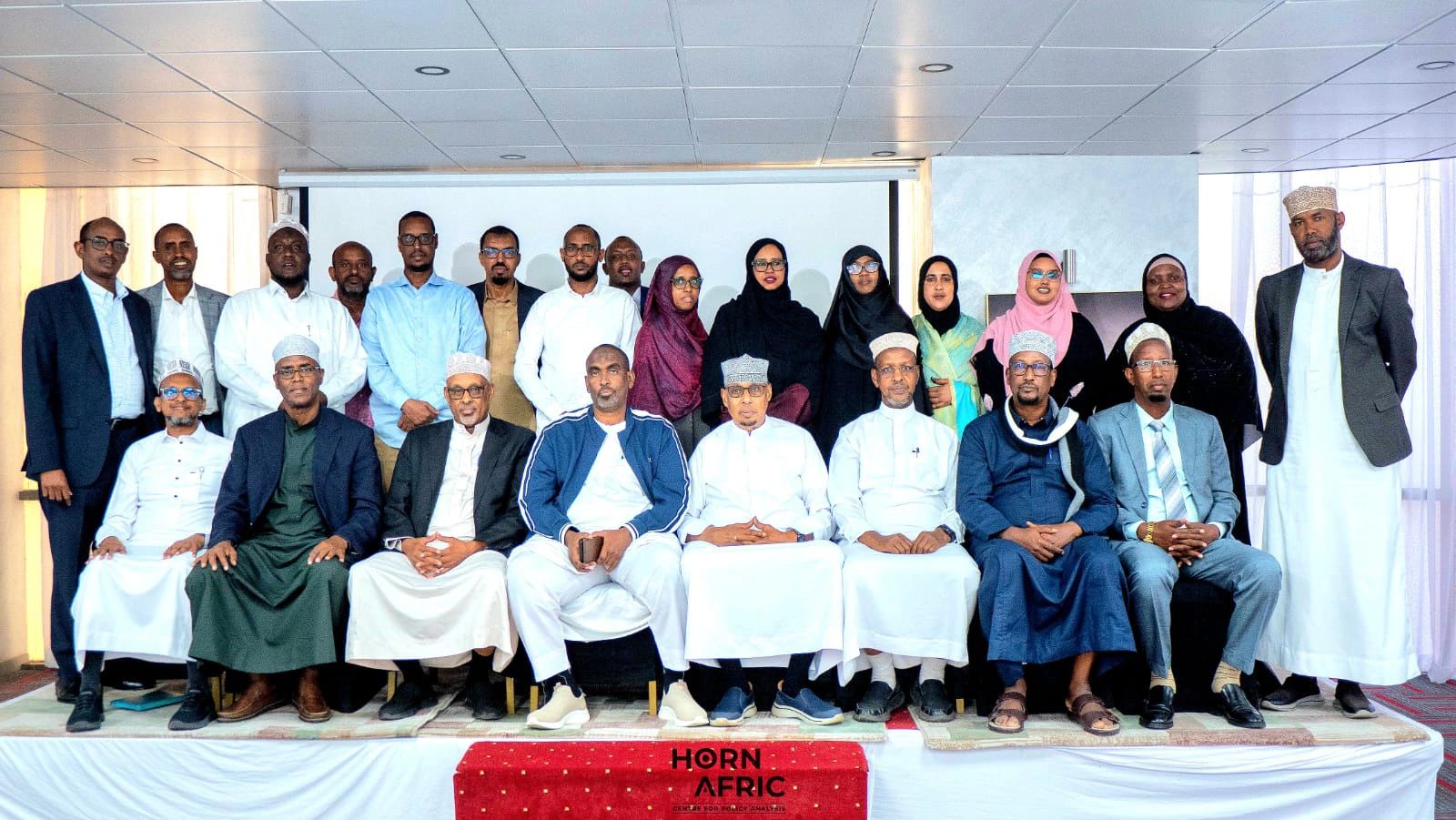
Education stakeholders from North Eastern Kenya have convened to assess the state of learning in the region and develop a reform agenda grounded in evidence, amid growing concern over persistent structural and systemic barriers affecting education outcomes across Arid and Semi-Arid Lands (ASAL).
The high-level meeting brought together policymakers, education practitioners, community leaders, and development partners for candid, solution-oriented discussions focused on preparedness for the transition to Competency-Based Education (CBE), trends in learner enrollment and retention, and the integrity of national examinations.
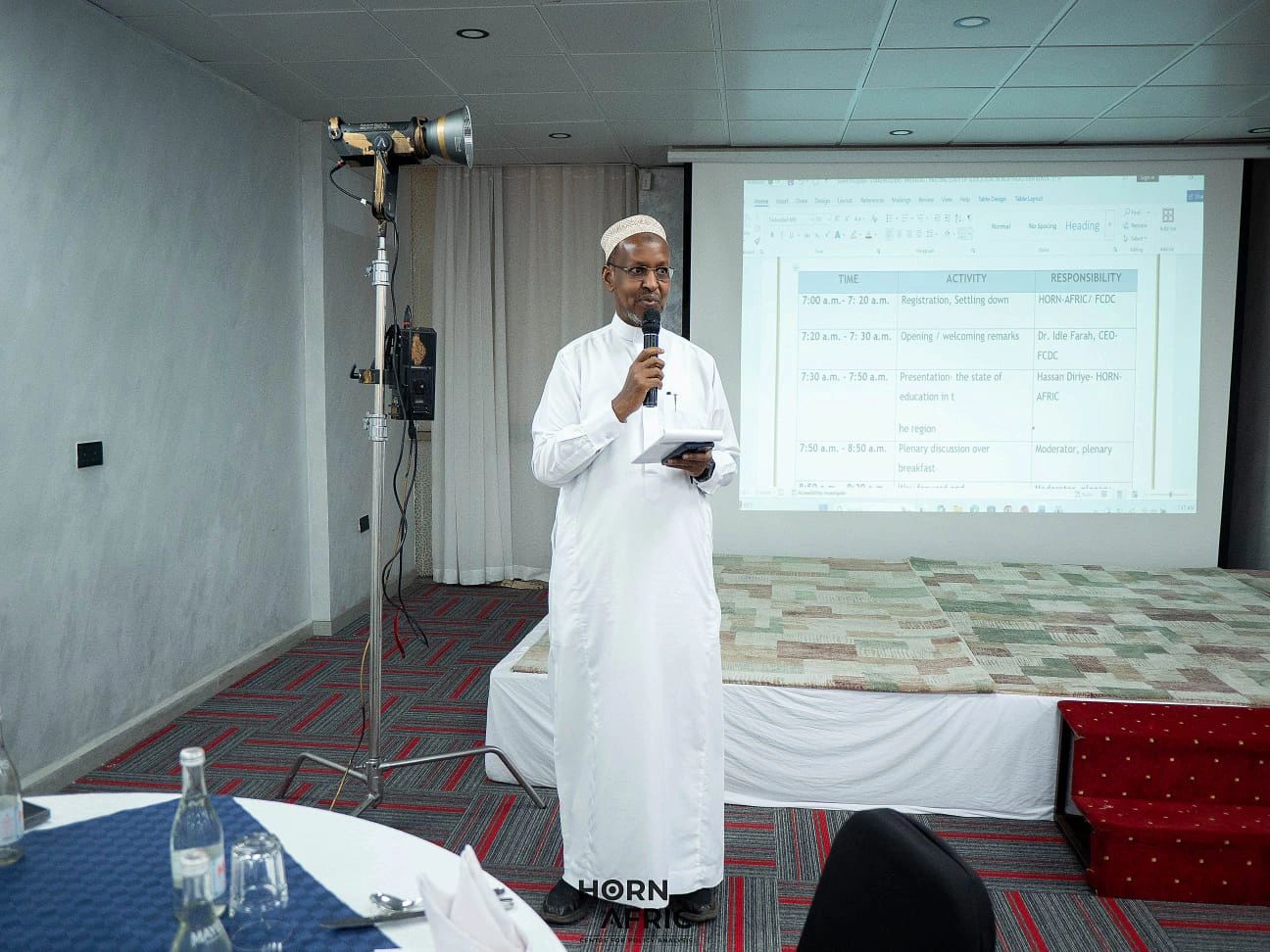
Participants underscored the urgency of adopting data-driven interventions to address long-standing challenges that continue to hinder equitable access to quality education.
As part of the resolutions, stakeholders agreed to commission a focused regional study to document the key structural, systemic, and socio-cultural factors shaping education performance in North Eastern Kenya.
The findings are expected to inform targeted reforms and guide future investment in the sector.
In addition, plans are underway for a major regional education symposium in mid-April, to be hosted in one of the North Eastern counties.
The forum will convene a broader coalition of actors, including government officials, educators, community representatives, and development partners, to validate research findings, build consensus, and develop a practical roadmap for education reform.
A multi-sectoral steering committee has already been constituted to oversee planning, mobilise resources, and coordinate implementation of the initiative.
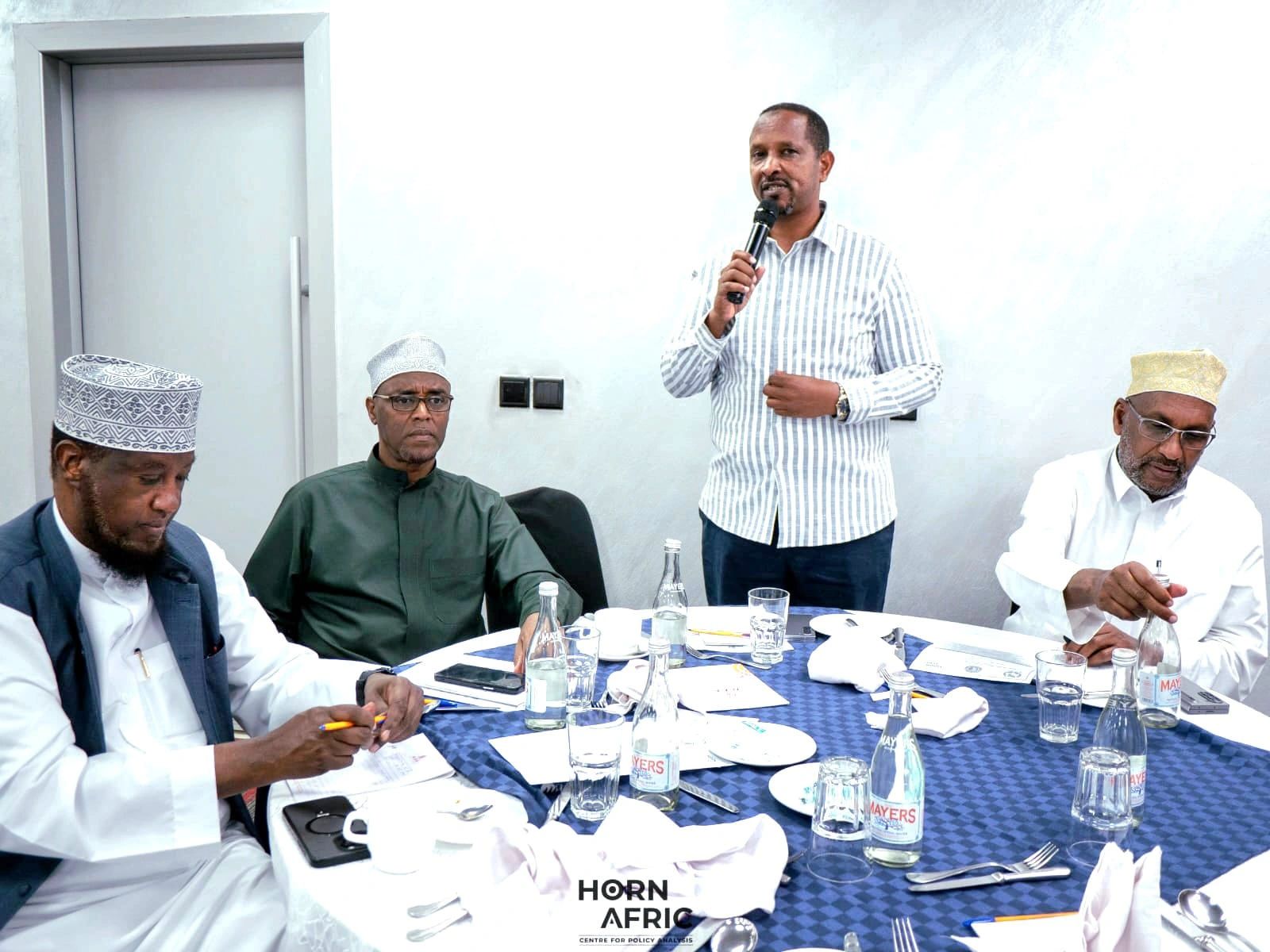
Addressing the meeting, Garissa Township MP Hon. Rtd. Major Dekow Barrow warned of the serious threat posed by examination malpractice, describing it as an existential challenge that undermines credibility, erodes merit, and compromises the long-term prospects of learners and the wider region.
He also highlighted how irregular settlements and unplanned urban growth are straining access to schools, complicating infrastructure planning, and affecting overall education quality.
The convening drew participation from prominent regional leaders, including former MPs Mohamed Elmi, Mohamed Maalim Mohamud (Mumad), Abdirahman Ali Hassan (Olow), Mohamed Hussein (Qaras), and Abdullahi Diriye (Dakalow).
Also in attendance were Frontier Counties Development Council (FCDC) CEO Dr Idle Farah and NACONEK CEO Harun Yussuf, alongside other education stakeholders from across the region.
The meeting was led by Horn-Afric, a regional policy think tank, in partnership with FCDC and North Eastern Youth Development (NEYD), a collaboration that organisers said reflects a shared commitment to safeguarding education standards and improving learning outcomes in historically underserved areas.
Stakeholders expressed optimism that sustained collaboration, credible data, and inclusive policy dialogue will help unlock practical solutions capable of transforming education across ASAL counties, positioning the region’s learners for improved opportunity and long-term socio-economic progress.