
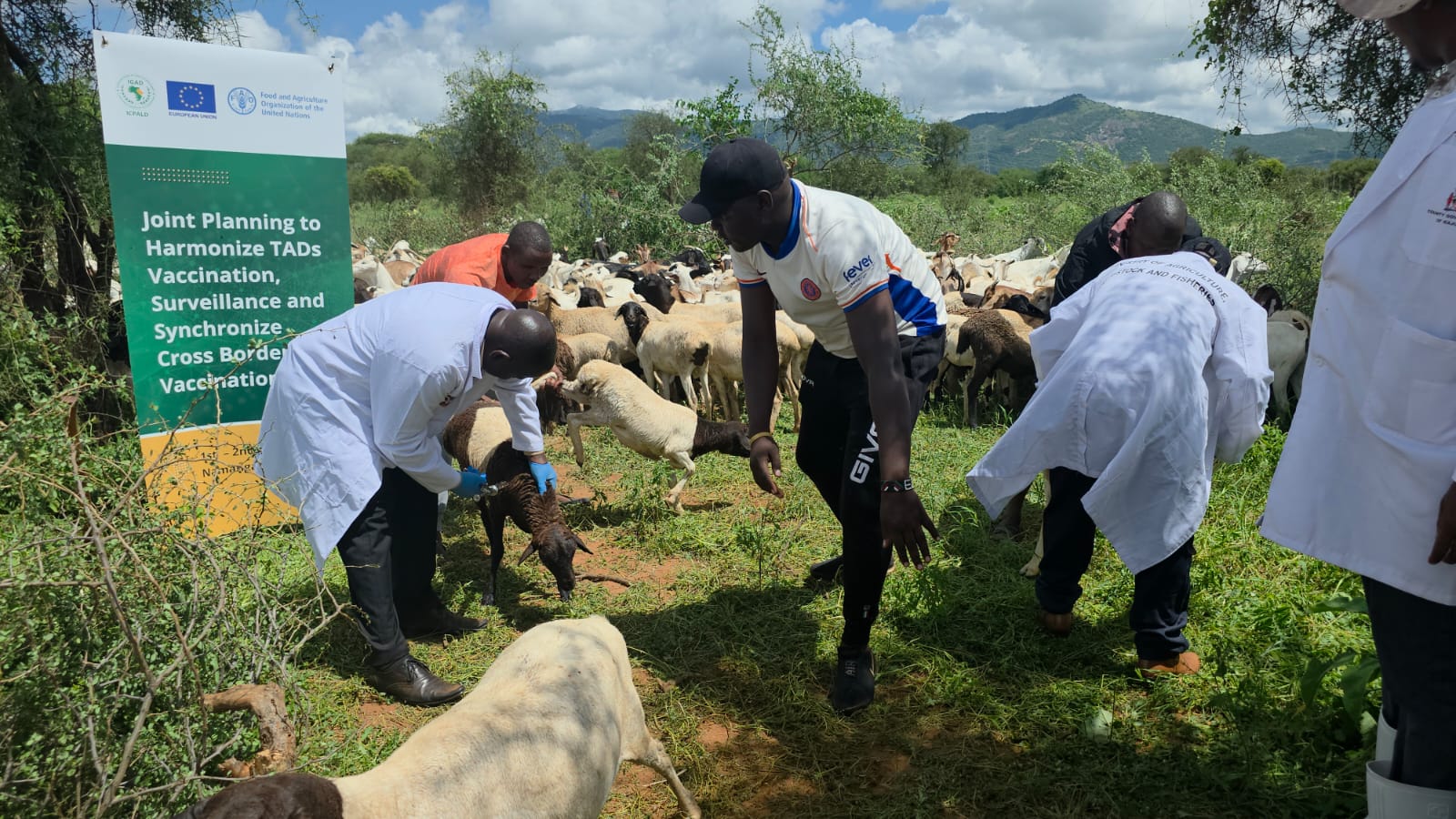
Kenya and Tanzania have stepped up efforts to combat transboundary animal diseases (TADs) through enhanced cross-border collaboration, following a joint planning forum held in Namanga from April 1–2, 2026.
The meeting, convened by the IGAD Centre for Pastoral Areas and Livestock Development, brought together veterinary experts, government officials, and development partners to align strategies on disease surveillance and vaccination.
The initiative is supported by the European Union and implemented in collaboration with the Food and Agriculture Organisation under the PLACE project.
At the heart of the discussions was the need for harmonised surveillance systems and synchronised vaccination campaigns to effectively control livestock diseases that frequently cross national borders.
The two countries agreed to develop a joint surveillance and vaccination calendar, alongside a coordinated 2026–2027 cross-border action plan.
Participants also prioritised improving the supply of vaccines, diagnostic kits, and reagents, as well as mapping livestock mobility and trade routes, critical steps in managing disease spread and ensuring safe livestock movement.
A key milestone of the forum was the launch of a synchronised cross-border vaccination programme targeting priority TADs, including Peste des Petits Ruminants (PPR), in the Mara-Serengeti cluster along the Kenya–Tanzania border.
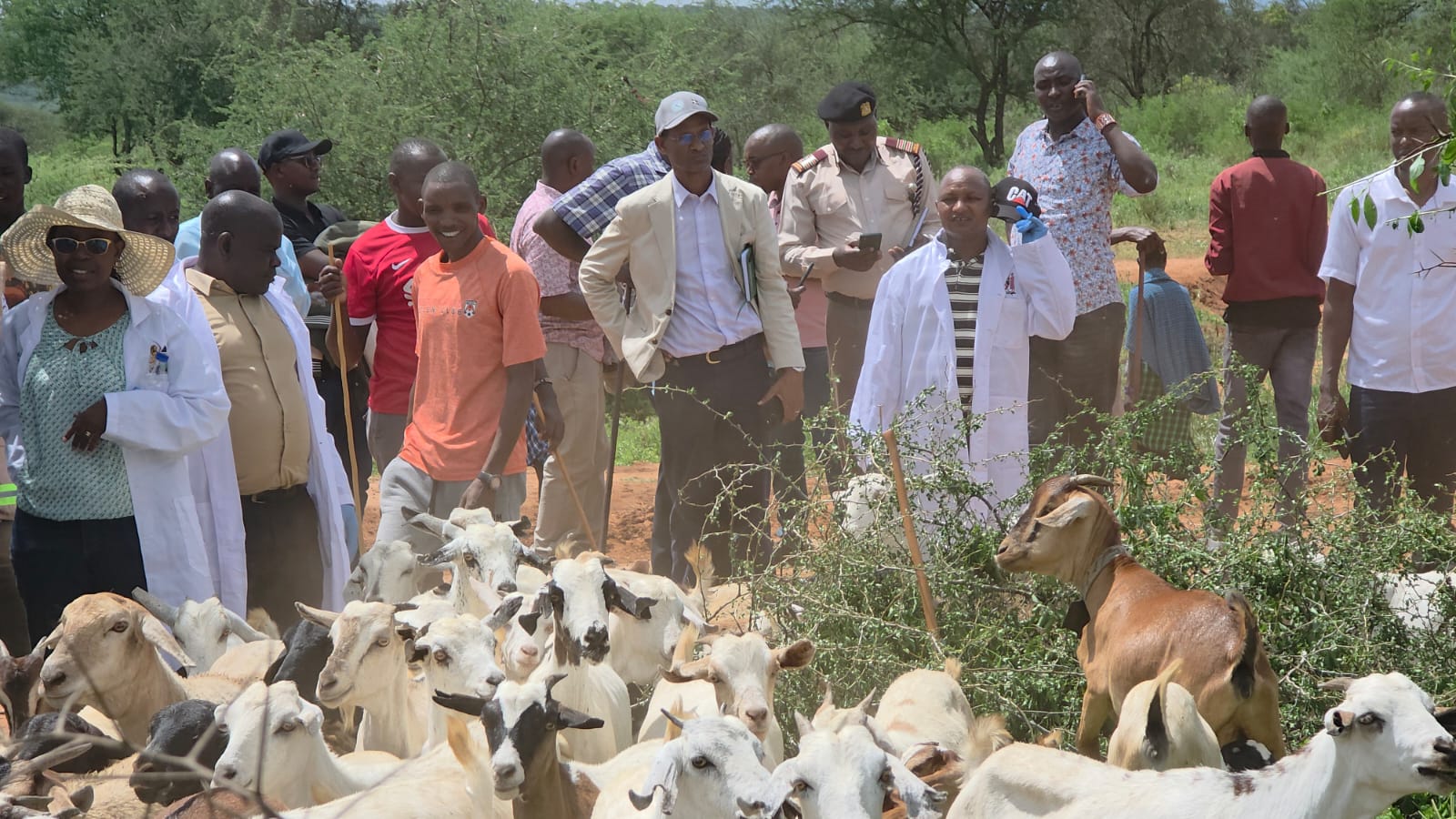
Officials from both countries, including representatives of veterinary services and local administrations, attended the launch, signalling strong political and technical commitment to the initiative.
The move is expected to strengthen institutional coordination, build trust among cross-border communities, and enhance joint resource mobilisation.
Experts noted that coordinated disease control measures are essential for safeguarding livestock-dependent livelihoods, reducing public health risks, and improving compliance with sanitary and phytosanitary (SPS) standards.
The initiative is also seen as a critical step toward boosting safe and competitive livestock trade within the region, while building more resilient livestock production systems.
ICPALD emphasised that sustained collaboration between member states will be key to achieving long-term success in controlling transboundary diseases and unlocking the full economic potential of the livestock sector in the Horn of Africa.