
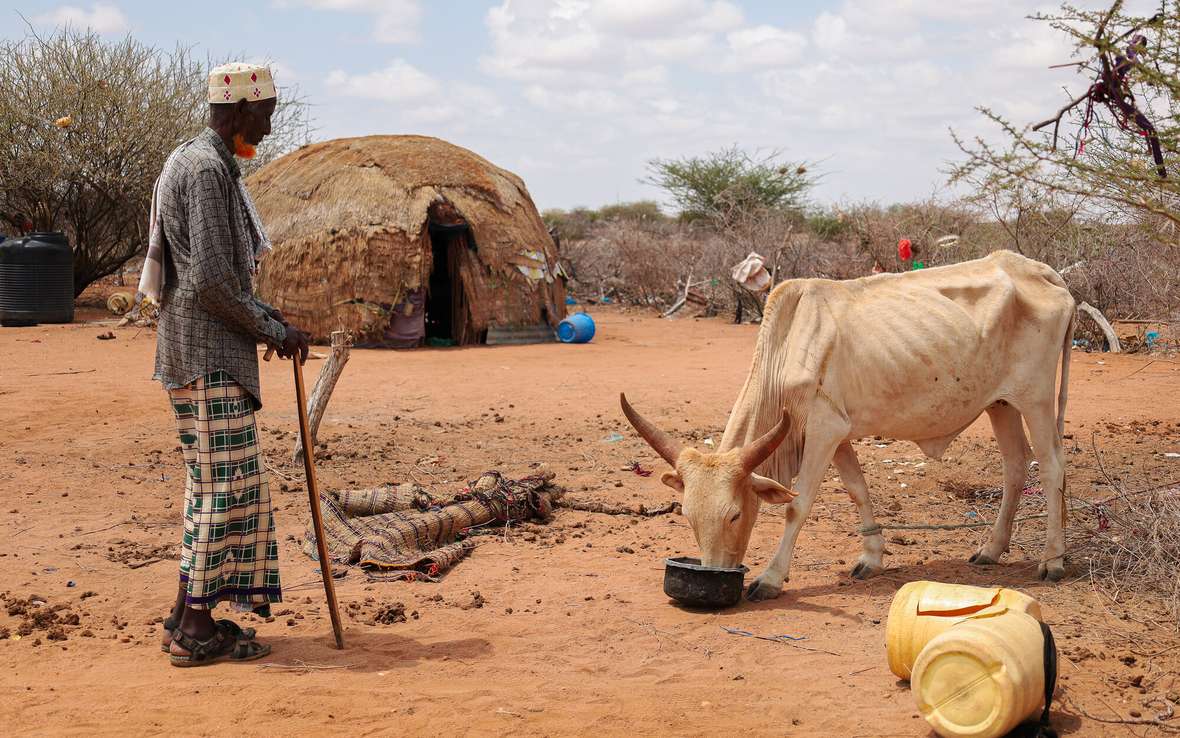
Kenya is moving to establish national animal feed reserves in a bid to protect pastoralist livelihoods and prevent the devastating livestock losses that have become common during drought periods.The move comes as drought continues to hit arid and semi-arid lands (ASALs), where livestock form the backbone of household income, food security and local economies.
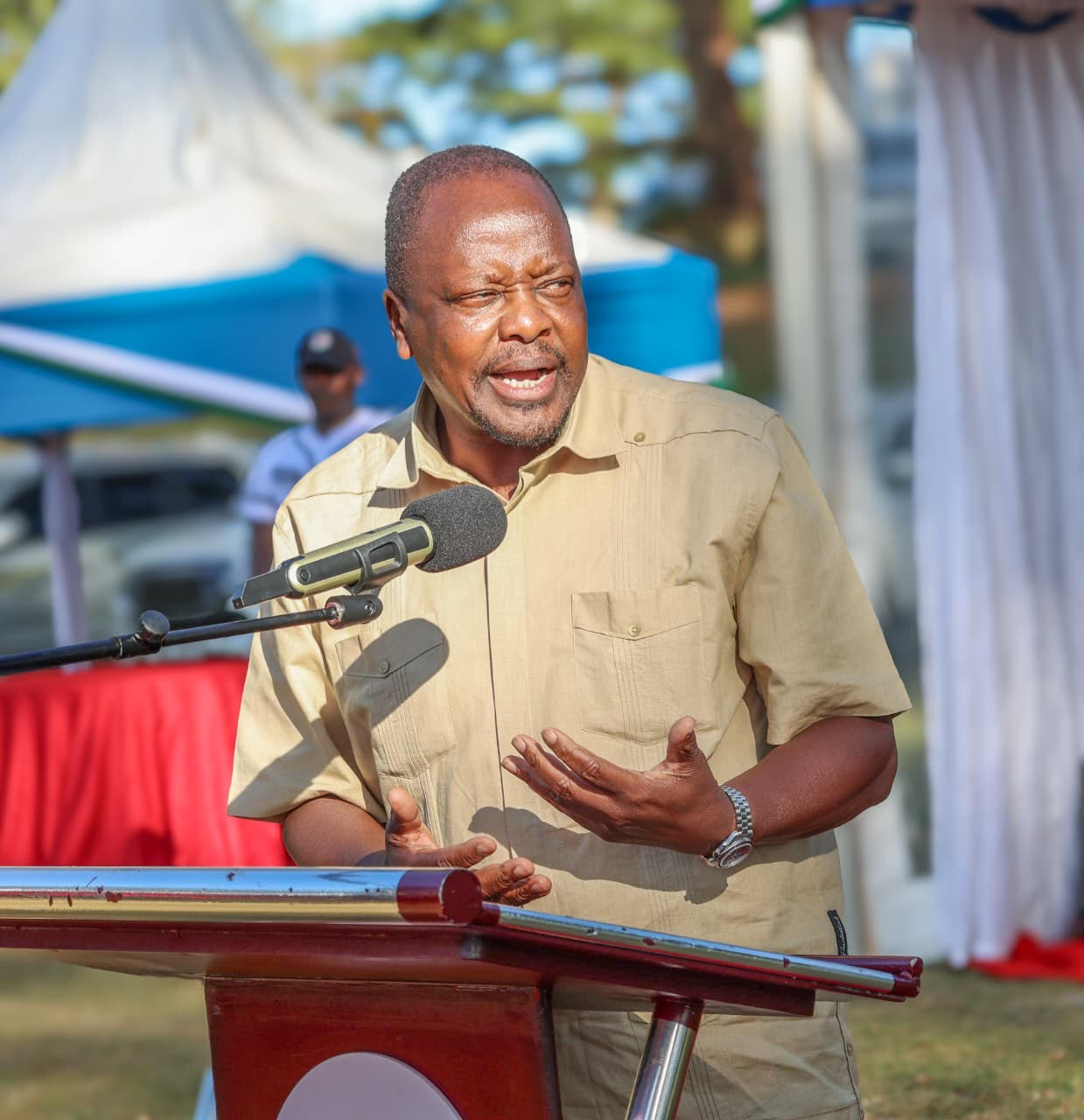
Speaking on Monday during the launch of the Emkitha Dairy Cooperative Union in Embu County, Mutahi Kagwe, Cabinet Secretary for Agriculture and Livestock Development, said drought should no longer be treated as an emergency, but as a predictable and recurring challenge that requires early action.
The CS noted that the last major drought wiped out more than 2.5 million livestock, causing economic losses estimated at over Sh50 billion, and leaving pastoralist communities across ASAL regions struggling to recover. “Drought is no longer an emergency; it is a recurring reality. We must act before losses occur,” Kagwe said.
How the Feed Reserves Will Work?
Under the new policy directive, the government plans to stockpile hay, silage and other drought fodder during surplus seasons, which will then be released during dry spells to support pastoralist herds.
County governments will take the lead in planning, stocking and distribution, while the national government will provide coordination, funding and technical support. Livestock cooperatives will act as key delivery agents to ensure feed reaches herders efficiently.
Early warning systems will also be integrated into the framework to allow timely deployment of feed, helping prevent distress livestock sales, mass deaths and price collapses during drought periods.
“We cannot allow drought to destroy livestock livelihoods. Feed reserves are critical to stabilising incomes, protecting food production and preventing losses worth billions of shillings,” Kagwe added.
Disease Control and Livestock Protection
Beyond feed support, the government says it will strengthen animal health and disease control measures, particularly during drought when weakened animals are more vulnerable. The CS announced stricter enforcement against the movement of livestock from counties affected by Foot and Mouth Disease (FMD) and other outbreaks, with County Commissioners and security agencies tasked with enforcing compliance.
Vaccination campaigns targeting FMD and anthrax will be intensified, while livestock checkpoints will be upgraded to improve biosecurity and curb the spread of disease.
Counties on the Frontline
Kagwe emphasised that counties remain the first line of defence in drought preparedness and livestock protection, with the national government playing a supporting role through policy guidance, oversight and funding.
As drought cycles become shorter and more severe, the proposed feed reserves signal a shift toward anticipatory action, aimed at protecting pastoralist wealth before crisis strikes — and reducing the heavy economic and human cost of drought in Kenya’s drylands.
PNTV Africa
Telling Our Stories, Our Way