
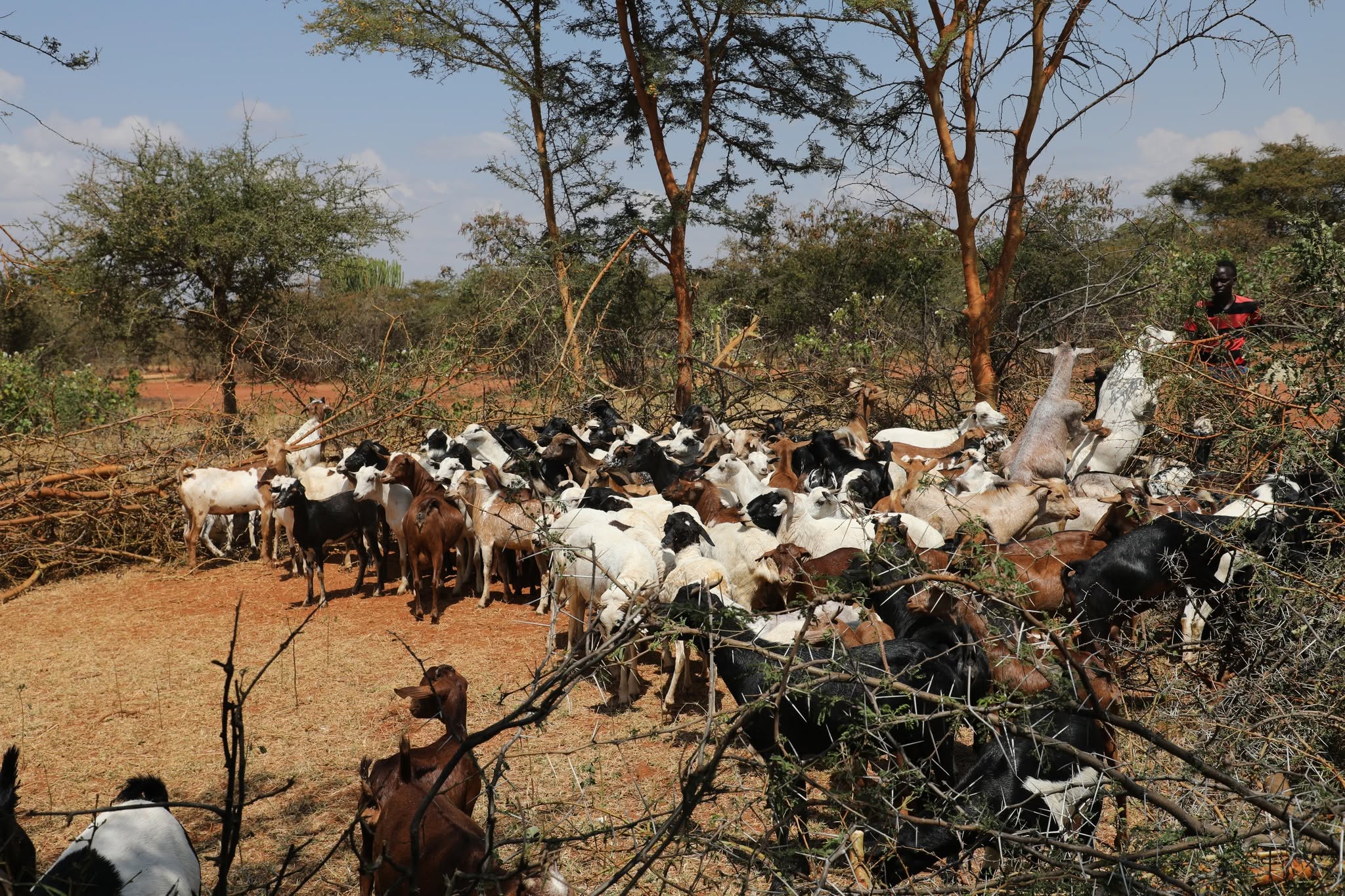
A synchronised livestock vaccination campaign has been launched in the Karamoja Cluster to strengthen disease prevention and safeguard the livelihoods of pastoral communities across the region.
The campaign was officially launched at Nasal Village in Lokitonyala Location, Pokot North Sub-County, West Pokot County, where more than 1,000 livestock received vaccines against Peste des Petits Ruminants (PPR) and Contagious Caprine Pleuropneumonia (CCPP).
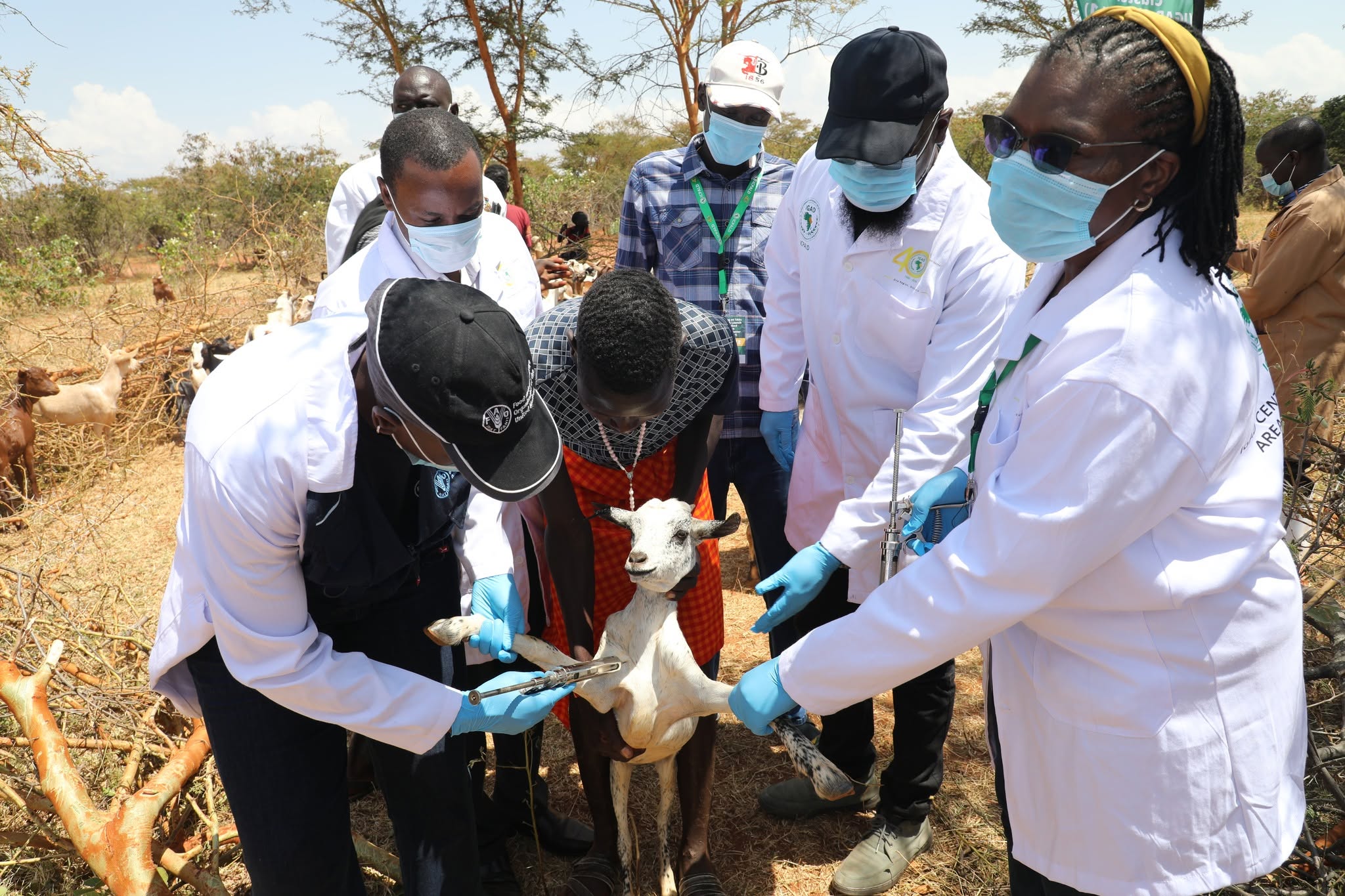
According to the IGAD Centre for Pastoral Areas and Livestock Development (ICPALD), the vaccination exercise will continue in West Pokot and other targeted areas over the next one to two months.
The synchronised approach is intended to improve vaccination coverage and reduce the spread of livestock diseases across areas where pastoral communities regularly move with their animals in search of pasture, water and markets.
PPR is a highly contagious viral disease that primarily affects sheep and goats, while CCPP is a severe respiratory disease affecting goats. Both diseases can cause significant livestock losses, undermine household incomes and threaten food and nutrition security in pastoral communities.
The campaign is particularly important for communities within the Karamoja Cluster, where livestock mobility frequently extends across administrative and national boundaries.
Coordinating vaccination activities across the cluster helps minimise the risk of animals contracting or transmitting diseases as they move through shared grazing areas, watering points, livestock markets and migration routes.
The initiative also demonstrates the importance of regional cooperation in addressing transboundary animal diseases.
By harmonising vaccination schedules and interventions, participating authorities and development partners can reach more animals, improve disease surveillance and strengthen early response mechanisms.
Livestock are a major source of food, income and social security for pastoral households in West Pokot and the wider Karamoja Cluster. Protecting animals from preventable diseases therefore contributes directly to community resilience, economic stability and peaceful cross-border interaction.
The exercise is being implemented with financial support from the European Union under the Project for Livelihood Enhancement in the Agro-Pastoral Areas, commonly known as the PLACE Project.
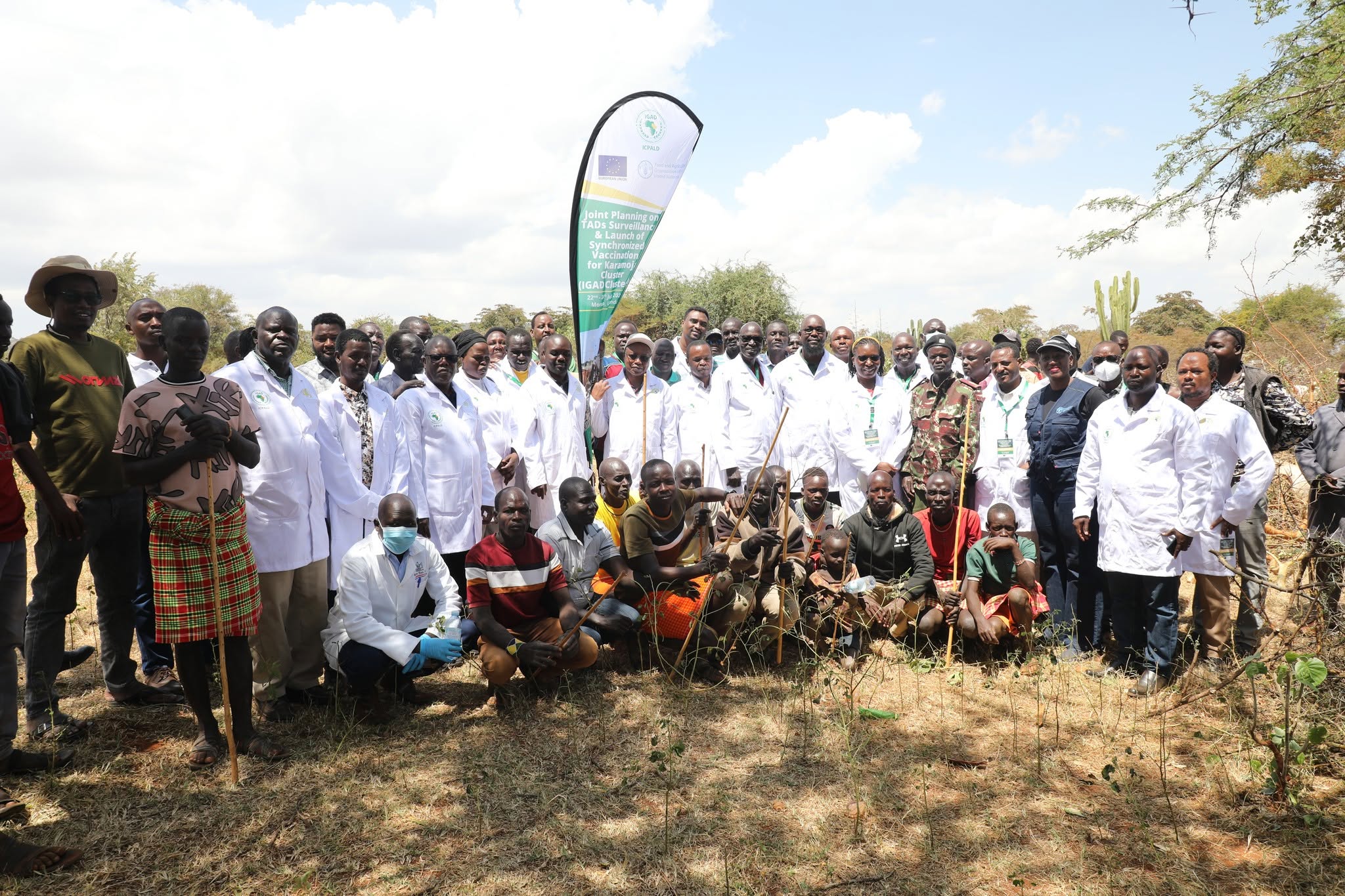
Through the campaign, ICPALD and its partners aim to strengthen livestock health systems, support pastoral livelihoods and enhance the resilience of communities facing recurrent disease outbreaks and climate-related pressures.
The vaccination drive will continue over the coming weeks, with livestock keepers in the targeted areas encouraged to present their animals for vaccination and cooperate with veterinary teams conducting the exercise.