
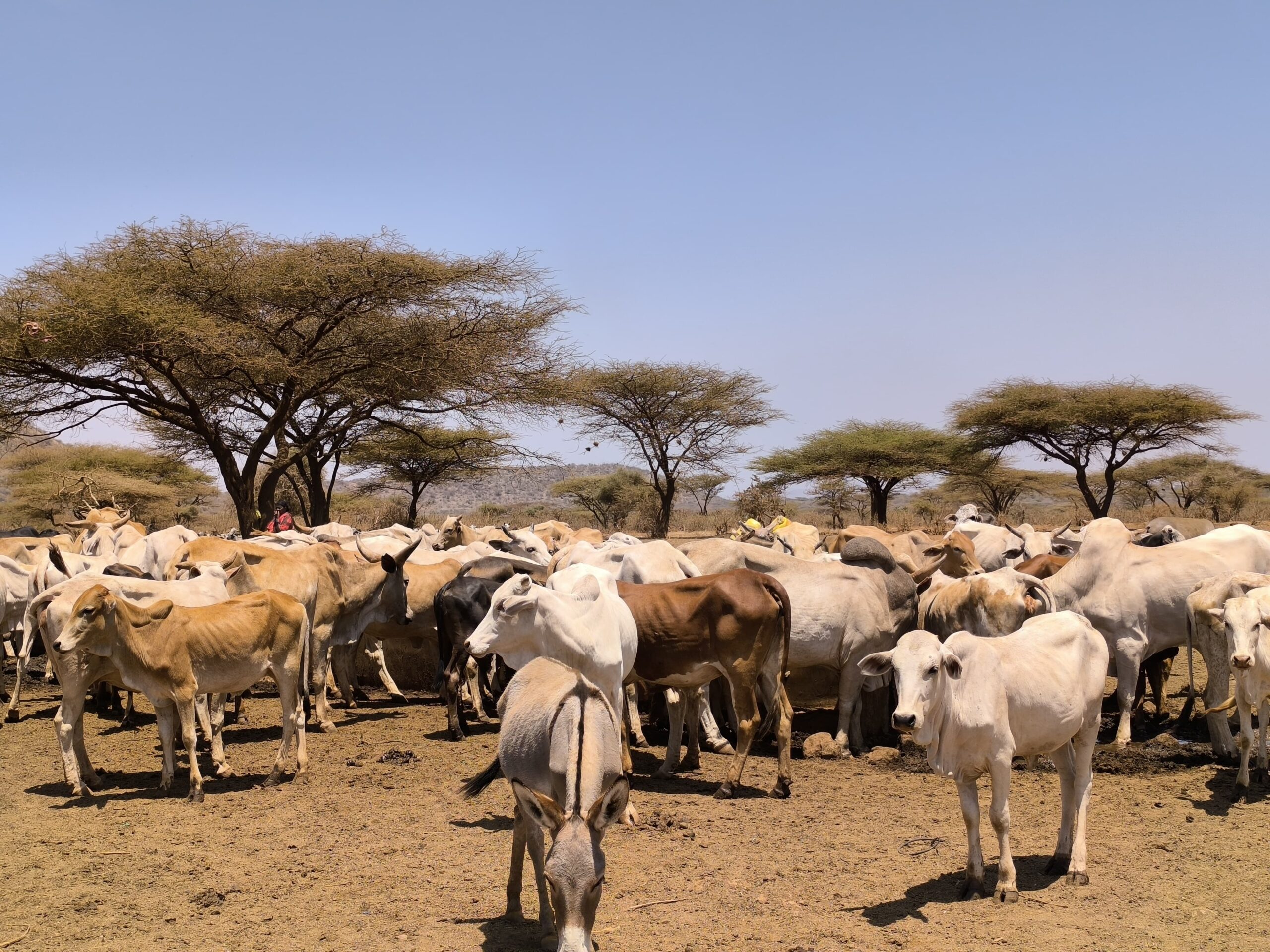
Unregulated livestock movement from neighboring counties is placing unprecedented pressure on Isiolo’s drought grazing reserves
· Weak livestock are entering Isiolo’s drought reserves without permits or checks.
· Grazing protocols led by Dedha elders are being bypassed.
· Fragile pasture and water resources are under growing pressure.
· Low climate funding leaves enforcement weak.
In January 2026, we observed trucks laden with weak livestock from neighboring counties rolled into Isiolo’s drought grazing reserves without permits, veterinary checks, or coordination. To some, this may look like solidarity among pastoralists in the face of climate disaster. In truth, it is a dangerous breach of community governance protocol that risks repeating the devastation of 2022, when Kenya lost more than 2.6 million livestock and wildlife to drought.
Isiolo is the heart of Kenya’s drylands, a fragile lifeline for the dryland communities who depend on carefully managed grazing reserves. These reserves were designed to be rationed through specific protocols negotiated and regulated by the Dedha elders in consultations with the county authorities. When outsiders bypass these systems, they risk spreading disease, deplete scarce drought reserve pasture, and heighten tensions over water and grazing.
Isiolo allocates less than 2% of its budget to climate action, leaving livestock movement checkpoints unfunded and protocol enforcement weak. Without urgent action, Isiolo’s drought grazing reserves risk becoming open-access rangelands stripped bare before local communities can even use it.
Isiolo leaders and Dedha elders must act to enforce livestock movement entry protocols, county government must raise climate allocations budget to at least 10%, Dedha elders need to place mechanisms and clear system of negotiating the use of drought reserve grazing corridors with neighbors. Empowered Dedha elders can uphold traditional rangeland rules effectively and must protect Isiolo’s drought grazing reserves urgently without compromises.