
The IGAD Centre for Pastoral Areas and Livestock Development (ICPALD) has taken a leading role in advancing climate adaptation planning for pastoral and livestock-dependent communities during the Greater Horn of Africa Climate Outlook Forum, GHACOF72, held in Nairobi on January 26–27, 2026.
The forum brought together climate scientists, government officials, development partners, and pastoral stakeholders to co-develop seasonal advisories for the March to May (MAM) 2026 period, with a particular focus on safeguarding livelihoods in arid and semi-arid lands across the region.
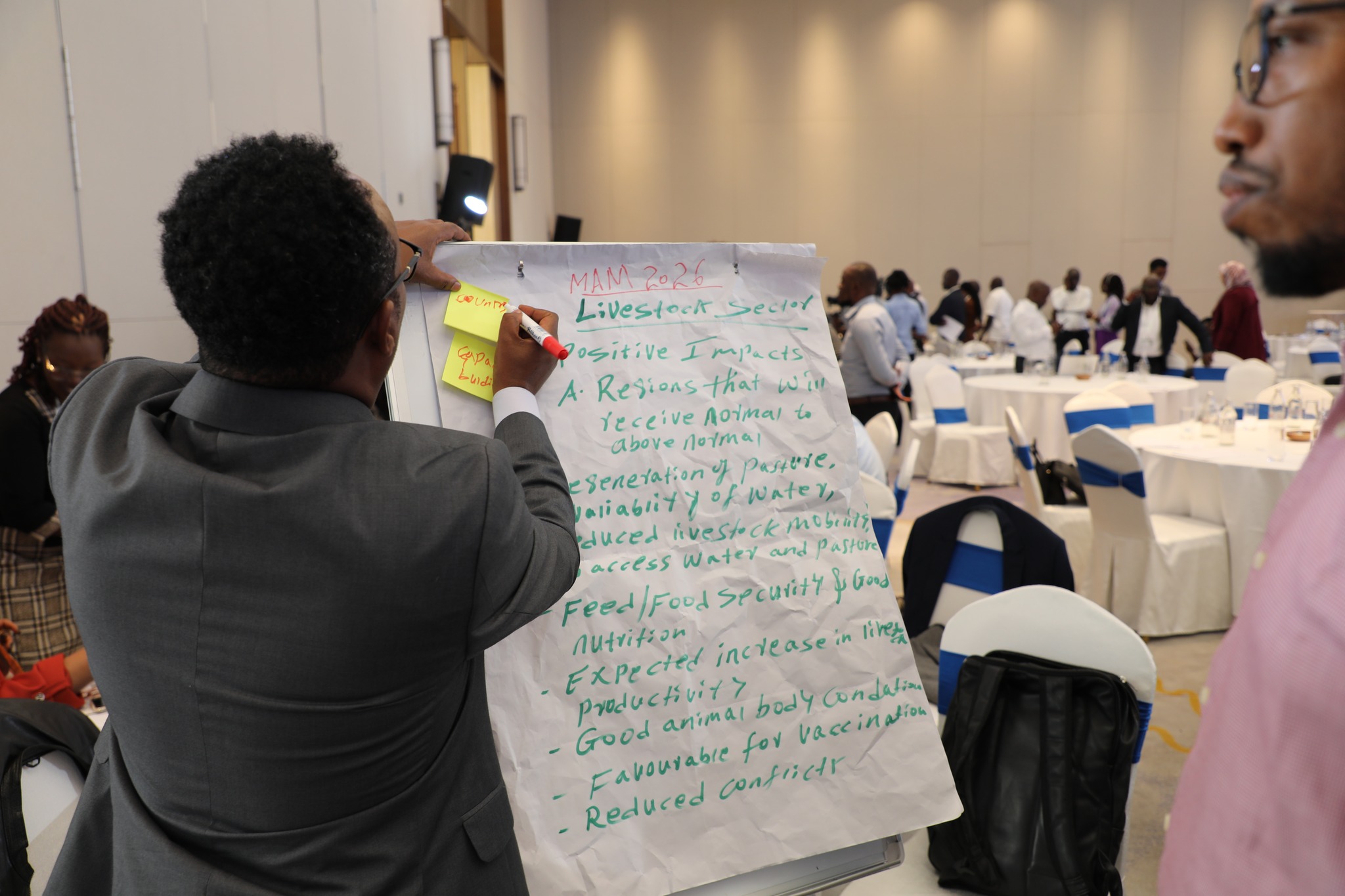
ICPALD facilitated livestock sector co-planning sessions aimed at translating climate forecasts into practical, sector-specific guidance.
Participants also engaged during walk-about sessions, allowing for direct interaction between technical experts and pastoral representatives to align climate information with on-the-ground realities.
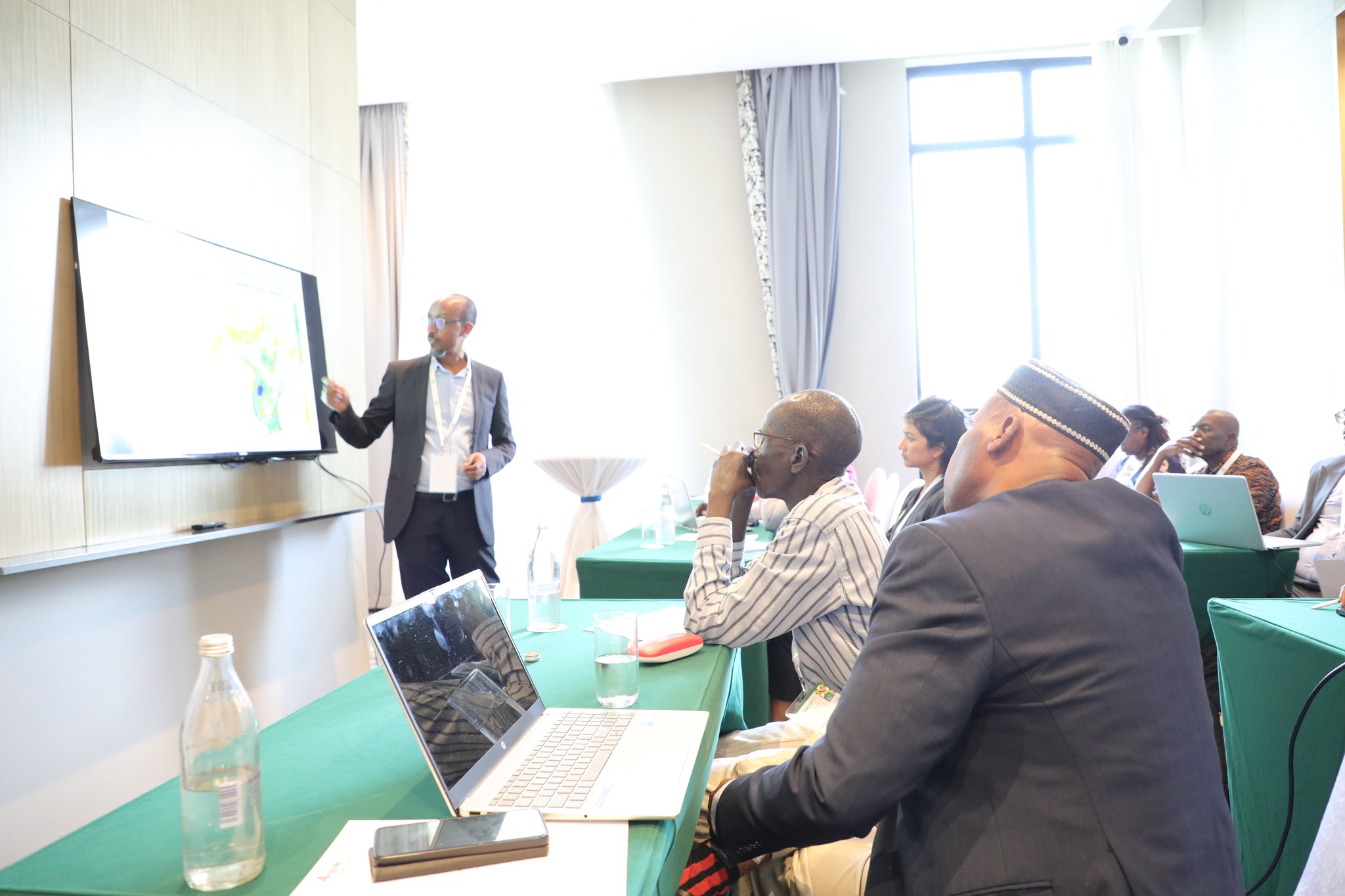
According to the MAM 2026 seasonal forecast presented at the forum, there is a 45 per cent probability of wetter-than-normal rainfall across much of the Greater Horn of Africa.
While the outlook raises prospects for improved pasture and water availability, experts cautioned that it also heightens risks of flooding, livestock disease outbreaks, and disruption to pastoral mobility routes if preparedness measures are not put in place.
Speaking during the discussions, ICPALD officials emphasized the importance of early action, coordinated planning, and timely dissemination of climate advisories to communities that rely heavily on livestock for food security and income.
The Centre underscored that effective climate adaptation must integrate scientific forecasts with indigenous knowledge systems to ensure relevance and uptake at community level.
The climate forum, convened under the auspices of the Intergovernmental Authority on Development (IGAD), serves as a key regional platform for consensus-building on seasonal climate outlooks and response strategies.
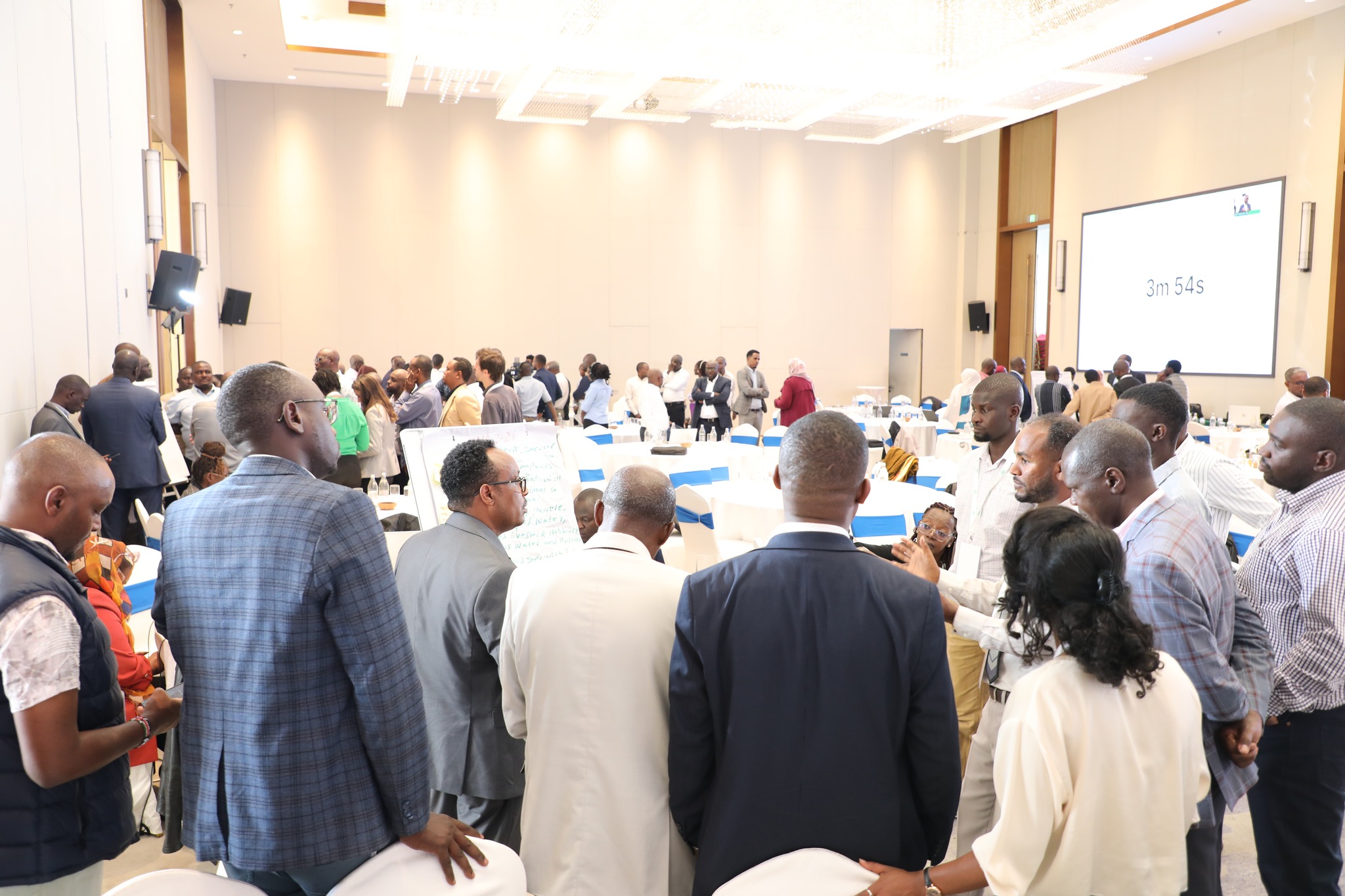
Outcomes from GHACOF72 are expected to inform national preparedness plans, humanitarian response frameworks, and pastoral resilience programmes ahead of the 2026 long rains season.
As climate variability intensifies across the Greater Horn of Africa, ICPALD reaffirmed its commitment to strengthening climate adaptation and resilience within the livestock sector, positioning pastoral communities as central actors in managing climate risks and opportunities across the region.