
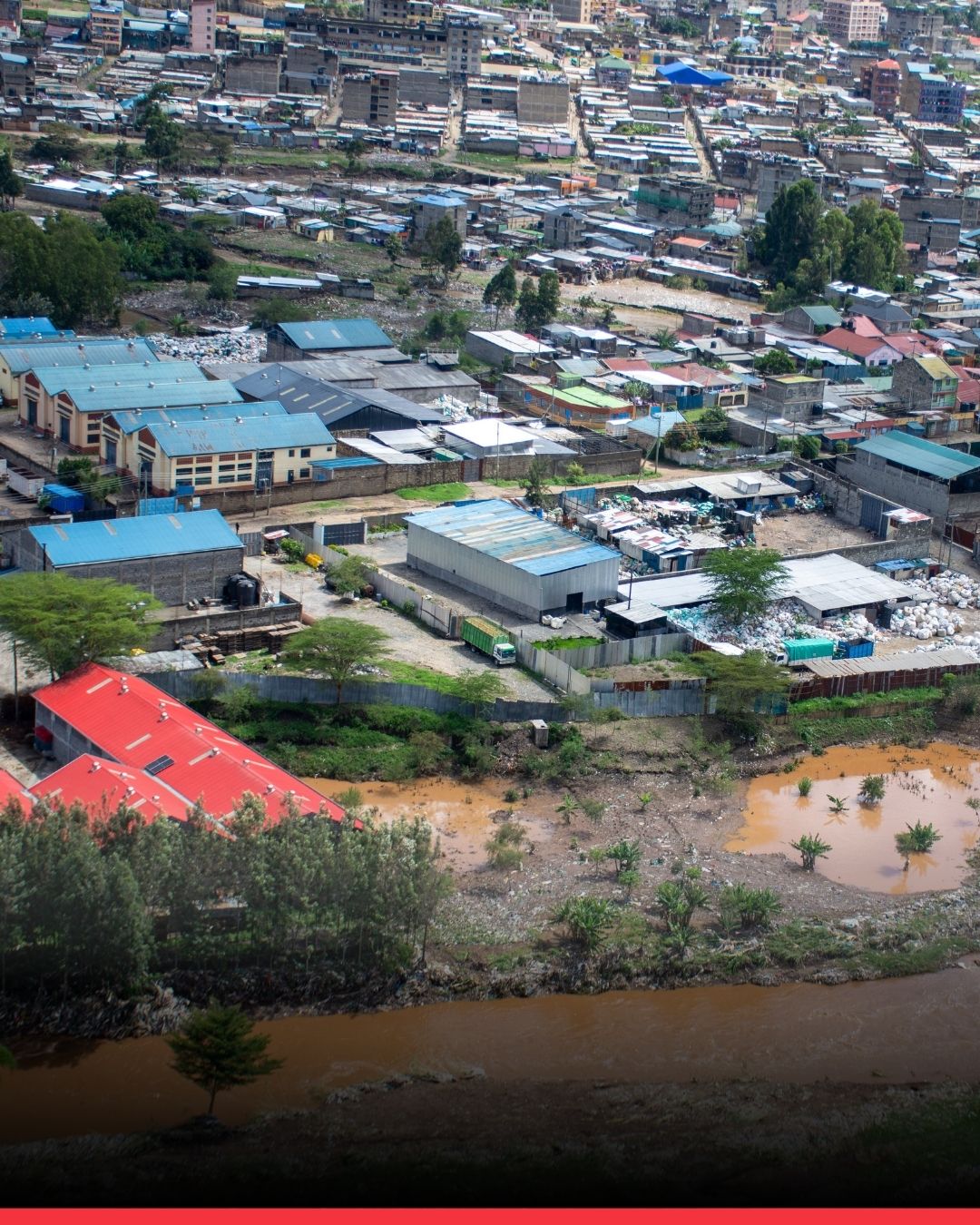
Severe flooding triggered by heavy rains has impacted at least 23 counties across Kenya, affecting more than 28,000 households and causing widespread damage to homes, farms, schools, health facilities, and critical water sources.
According to the International Federation of Red Cross and Red Crescent Societies, the ongoing floods have disrupted livelihoods and displaced thousands of families, deepening humanitarian needs in several regions of the country.

As part of a coordinated multi-agency response, the Kenya Red Cross Society has been at the forefront of relief efforts, delivering essential support to affected communities.
The organisation is providing food assistance, non-food items, emergency shelter, and water, sanitation and hygiene (WASH) services to help families cope with the crisis.
In addition to emergency aid, early warning messages aimed at enhancing preparedness and reducing risk have reached approximately 17 million people nationwide.
These alerts are helping communities better understand flood risks and take precautionary measures to protect lives and property.
Humanitarian agencies note that the scale of the disaster has placed a significant strain on resources, with urgent needs continuing to rise as rains persist in several parts of the country.
Floodwaters have destroyed crops and contaminated water sources, raising concerns about food security and potential outbreaks of waterborne diseases.
The situation has also affected key infrastructure, including schools and health facilities, further complicating access to essential services for already vulnerable populations.
Relief organisations are continuing to assess the situation on the ground and scale up interventions in the hardest-hit areas.
However, they emphasise that sustained support will be critical to address both immediate humanitarian needs and long-term recovery efforts.
The floods come at a time when some regions are still recovering from previous climate-related shocks, highlighting the increasing frequency and intensity of extreme weather events and the urgent need for climate resilience measures.
Authorities and humanitarian partners are urging continued coordination and support to ensure affected communities receive timely assistance and are able to rebuild their lives once floodwaters recede.