
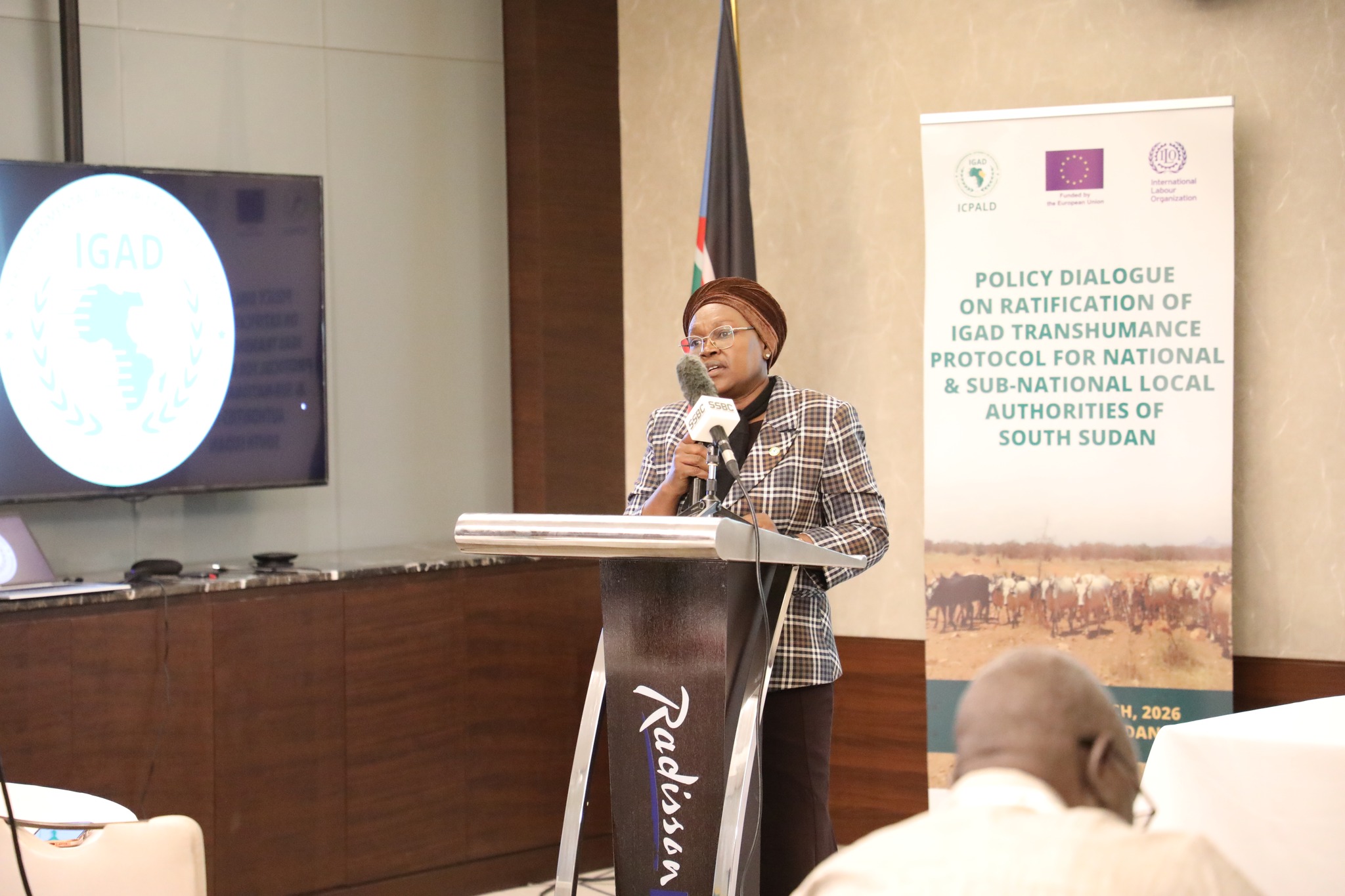
A regional push to enhance livestock trade and disease control across Eastern Africa is underway following a high-level workshop convened by the IGAD Centre for Pastoral Areas and Livestock Development in Adama from March 24–26, 2026.
The workshop brought together government officials, technical experts, and development partners to review the status of animal health systems, livestock movement, and certification frameworks across the Intergovernmental Authority on Development (IGAD) region.
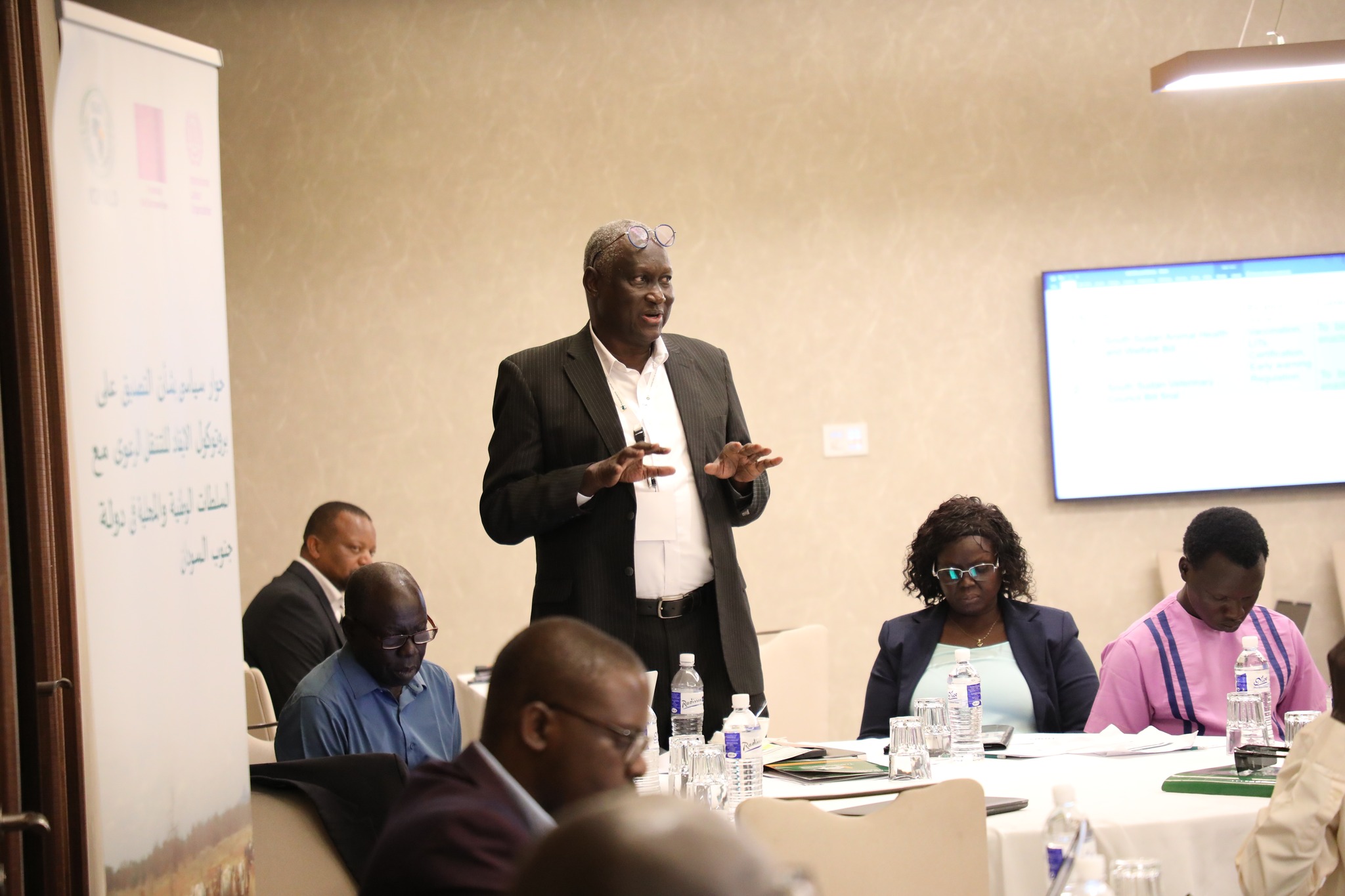
The meeting aims to address persistent gaps that hinder safe and efficient cross-border livestock trade.
Opening the session, Ethiopia’s State Minister of Agriculture, Dr Fikru Regassa, emphasised the need for stronger regional coordination to unlock the full potential of the livestock sector.
He noted that harmonised systems for animal health and certification are essential to facilitate both intra- and inter-regional trade in livestock and livestock products.
Participants highlighted that inconsistent standards, limited coordination, and weak certification mechanisms continue to pose challenges for pastoral communities and livestock-dependent economies.
Strengthening these systems, they said, would not only improve market access but also enhance disease surveillance and control across borders.
The workshop forms part of broader regional efforts supported by the European Union, the Food and Agriculture Organization, and the Swiss Development and Cooperation under the Regional Livestock Program.
The initiative seeks to build resilient livestock value chains and promote sustainable livelihoods in arid and semi-arid areas.
Deliberations in Adama focused on identifying policy and technical gaps, sharing best practices among member states, and outlining actionable recommendations to improve livestock movement and certification processes.
Stakeholders also underscored the importance of aligning national systems with regional frameworks to ensure seamless trade and compliance with international standards.
The IGAD region relies heavily on livestock as a key economic driver, particularly in pastoral and agro-pastoral communities.
Efficient and coordinated animal health systems are therefore seen as critical to ensuring food security, boosting exports, and reducing the risk of transboundary animal diseases.
ICPALD reaffirmed its commitment to working with member states and partners to strengthen regional collaboration and build robust systems that support safe livestock mobility and trade.
The outcomes of the workshop are expected to inform future policy directions and investment priorities in the livestock sector across the region.