
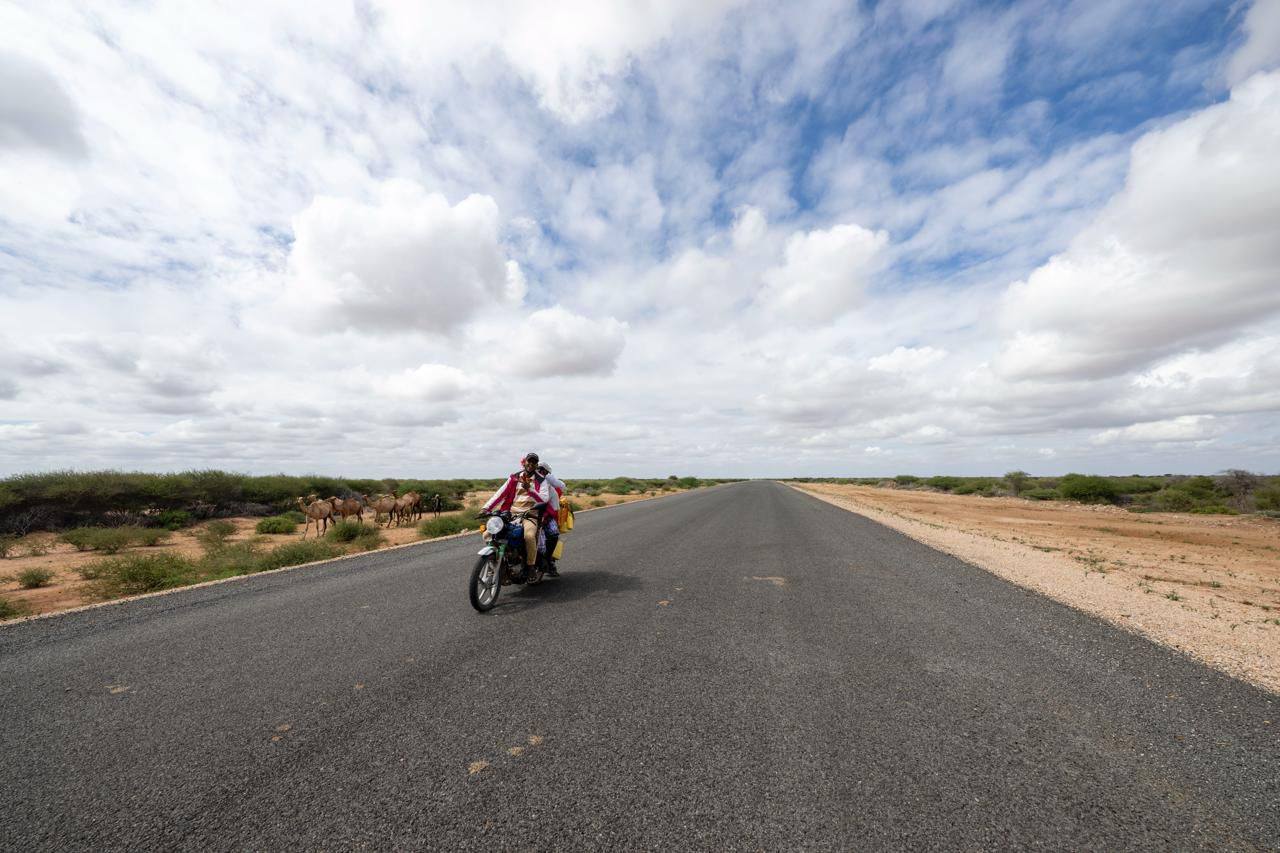
The government has unveiled a major KSh8.4 billion electricity expansion programme targeting more than 53,000 households across Northern Kenya, in a move aimed at accelerating economic growth, improving livelihoods, and promoting inclusive development in historically underserved regions.
President William Ruto announced the investment during his development tour of Northern Kenya, describing access to reliable electricity as a critical driver of socio-economic transformation and a key pillar of the government's Bottom-Up Economic Transformation Agenda (BETA).
The programme will see thousands of households connected to the national grid across Wajir, Mandera, and Garissa counties, significantly expanding access to power in areas that have long faced energy deficits.
Under the initiative, Wajir County will receive KSh4.1 billion to connect approximately 26,000 households to the national electricity grid.
Mandera County will benefit from KSh2.5 billion, enabling 18,600 households to gain access to power, while Garissa County will receive KSh1.6 billion to connect an additional 8,300 households.
The investment is expected to improve access to electricity for homes, schools, health facilities, businesses, and public institutions, while creating new opportunities for economic activity and enterprise development.
Government officials say the programme will help stimulate local economies by supporting small businesses, reducing energy costs, improving service delivery, and creating conditions for industrial and commercial growth.
In addition to grid connectivity, the government is investing in renewable energy solutions to serve remote communities that are not yet connected to the national grid.
As part of the initiative, President Ruto broke ground for the construction of the KSh72.2 million Maalimin Mini-Grid in Lagdera Constituency, Garissa County.
The project will comprise a 102-kilowatt peak solar power system and a 331-kilowatt-hour battery energy storage facility designed to provide clean, reliable, and sustainable electricity to more than 500 households.
Once completed, the solar-powered mini-grid is expected to improve power stability, reduce reliance on costly and environmentally harmful energy sources, and support economic activities within the surrounding communities.
Energy experts note that mini-grid solutions are particularly important in remote and sparsely populated areas where extending the national grid can be costly and technically challenging.
The project is expected to enhance access to electricity for homes, schools, health centres, and local enterprises while supporting the government's broader agenda of promoting renewable energy and climate-resilient development.
During his visit to Lagdera, President Ruto also updated residents on ongoing development initiatives in Garissa County, highlighting a broader package of investments aimed at transforming the region.
According to the President, the government is currently implementing projects worth KSh18 billion in Garissa County, including affordable housing developments, modern markets, and student hostel programmes.
The investments are part of a wider strategy to improve living standards, create jobs, and stimulate economic growth across Northern Kenya.
Leaders in the region have welcomed the electricity expansion programme, saying reliable power remains one of the most important enablers of development, particularly in rural and marginalised communities.
They noted that access to electricity has the potential to transform education, healthcare, agriculture, trade, and digital connectivity while creating opportunities for youth employment and entrepreneurship.
The latest investments underscore the government's commitment to addressing historical development gaps and ensuring that communities in Northern Kenya benefit from modern infrastructure and public services.
As implementation progresses, officials expect the electrification programme to unlock new economic opportunities, improve the quality of life, and accelerate the region's integration into Kenya's broader development agenda.
The initiative is also expected to strengthen resilience, attract investment, and support long-term growth by ensuring that more households and businesses have access to reliable, affordable, and sustainable energy.