
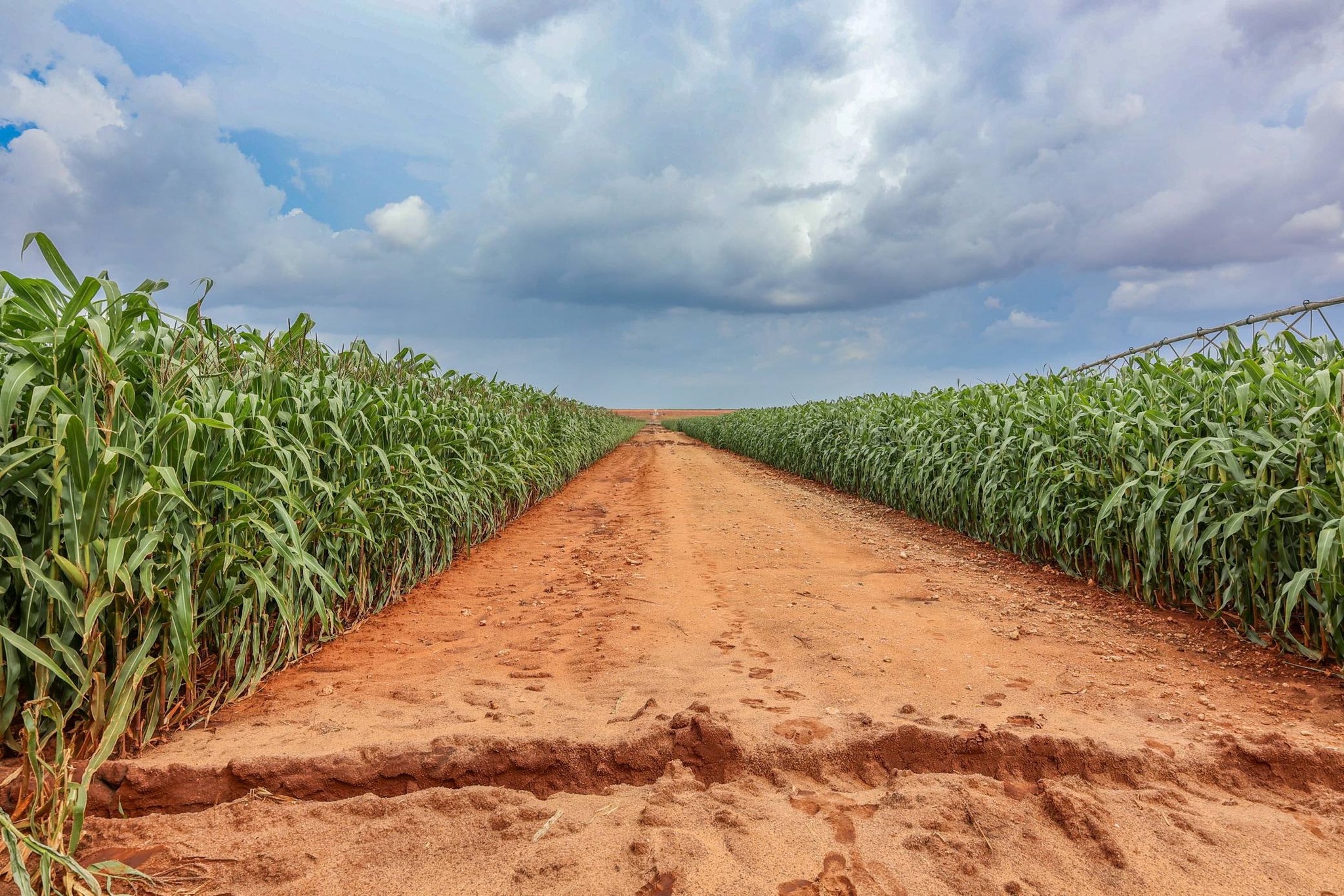
The government has intensified efforts to scale up irrigation-led, large-scale agriculture as part of a renewed strategy to address Kenya’s persistent food insecurity, driven largely by recurrent droughts and climate uncertainty.
Speaking during a policy briefing, Cabinet Secretary for Agriculture and Livestock Development Mutahi Kagwe said the country must urgently transition from reliance on rain-fed farming to scientific, technology-driven and digital agricultural systems, particularly in arid and semi-arid lands (ASALs) where climate shocks are most severe.
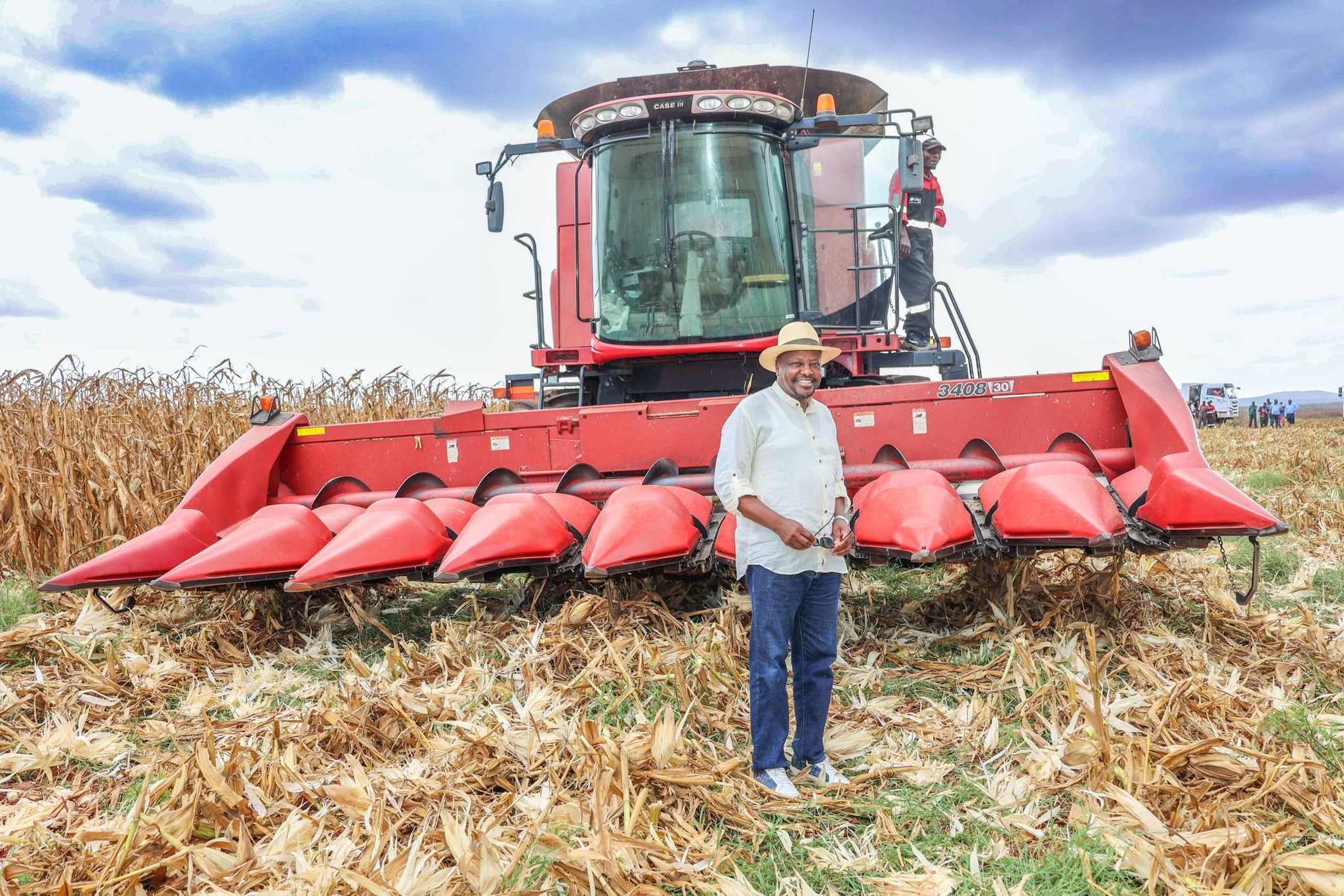
At the heart of the strategy is the 1.8 million-acre Galana-Kulalu Food Security Project, which the government has designated exclusively for mechanised, irrigated, and large-scale farming.
According to the CS, the project is expected to play a pivotal role in stabilising national food supplies, reducing reliance on imports, and cushioning the country against climate-related production shocks.
CS Kagwe cautioned against land subdivision within Galana-Kulalu, warning that fragmentation would undermine mechanisation, economies of scale, and overall productivity.
He emphasised that large, contiguous tracts of land are essential for modern irrigation systems, efficient farm operations, and commercial viability.
To accelerate investment, the government is implementing the Land Commercialisation Initiative, which seeks to attract both local and international investors through a transparent and competitive framework.
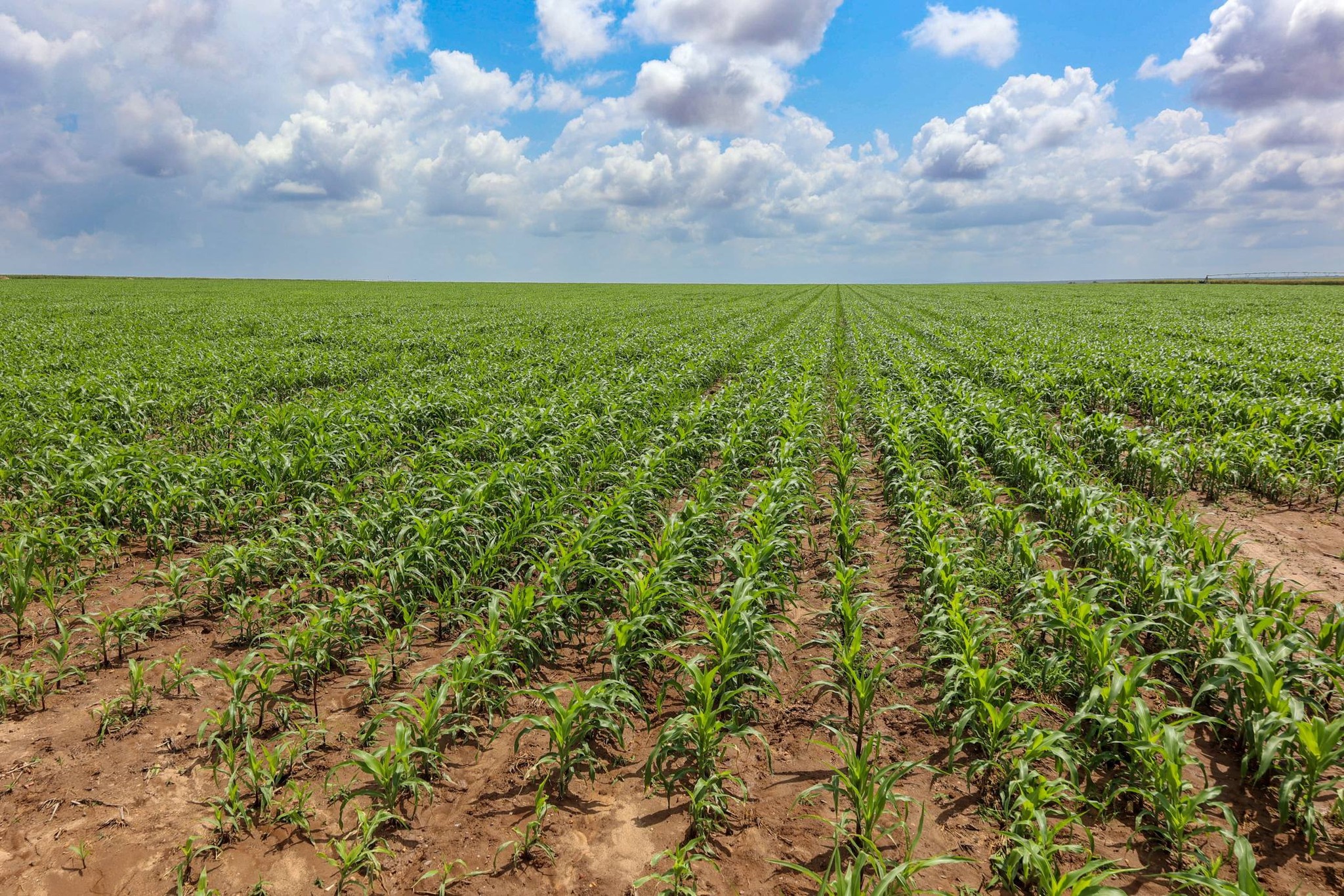
The initiative is designed to promote responsible investment while ensuring strong community integration and the creation of economic linkages with surrounding areas.
The CS noted that the government’s approach balances commercial agriculture with inclusive development, ensuring that host communities benefit through employment opportunities, infrastructure development, and access to markets.
He also highlighted ongoing private-sector investments in large-scale irrigation as proof that technology-driven farming can thrive in ASAL regions.
Projects such as those undertaken by the Nyumba Group, he said, demonstrate how modern irrigation, mechanisation, and climate-smart practices can deliver resilient and sustainable food production.
As climate variability continues to threaten traditional farming systems, the government maintains that scaling up irrigation and embracing large-scale, technology-enabled agriculture is no longer optional but essential to securing Kenya’s food future.