
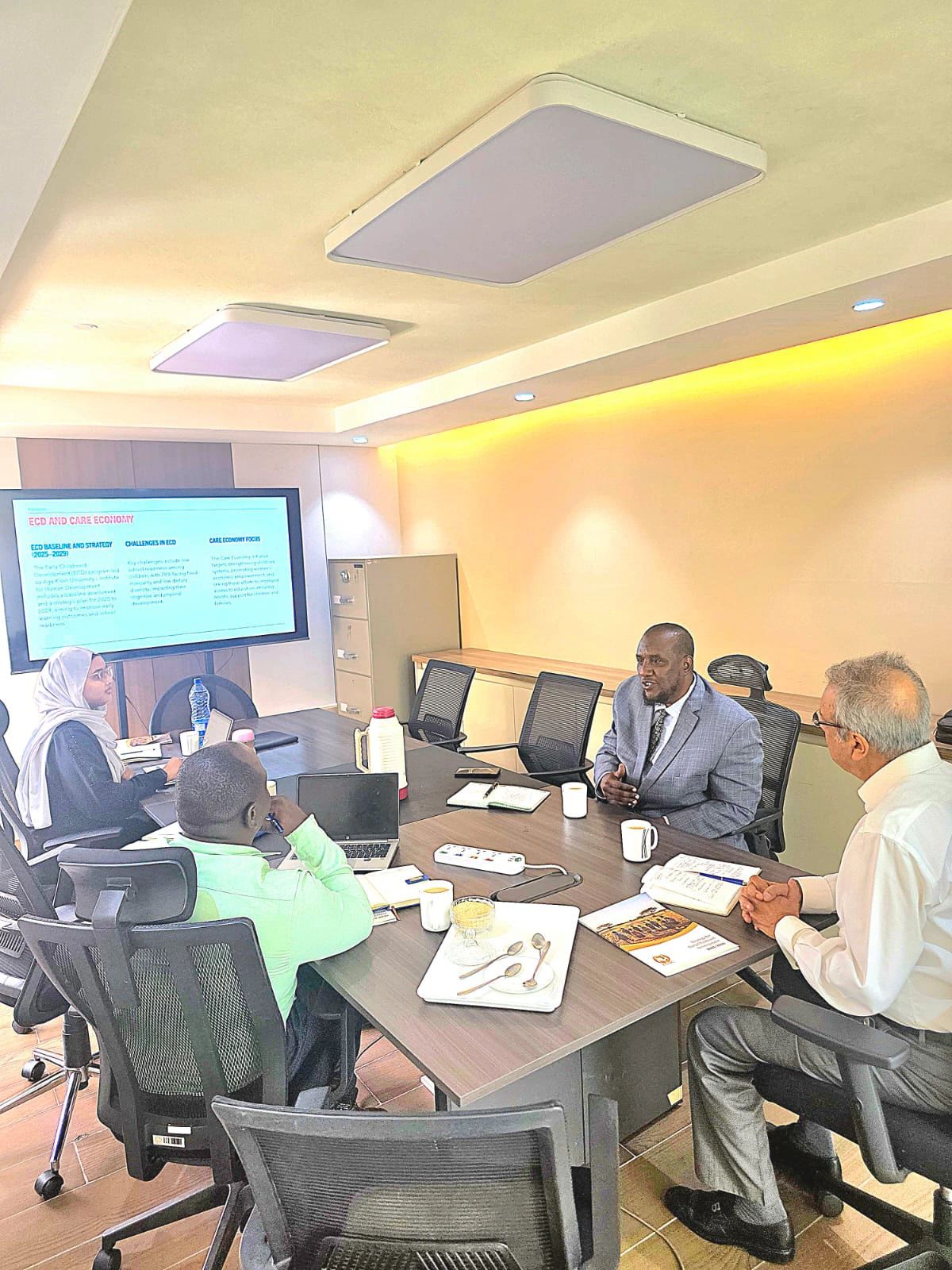
The Frontier Counties Development Council (FCDC) has intensified efforts to transform education in Arid and Semi-Arid Land (ASAL) regions through strategic partnerships aimed at scaling innovative and inclusive learning solutions.
During a high-level engagement held at its boardroom, FCDC brought together key partners including, Mama Layla Empowering Local Communities and Bridge International Foundation to explore collaborative approaches to advancing education and community empowerment in underserved areas.
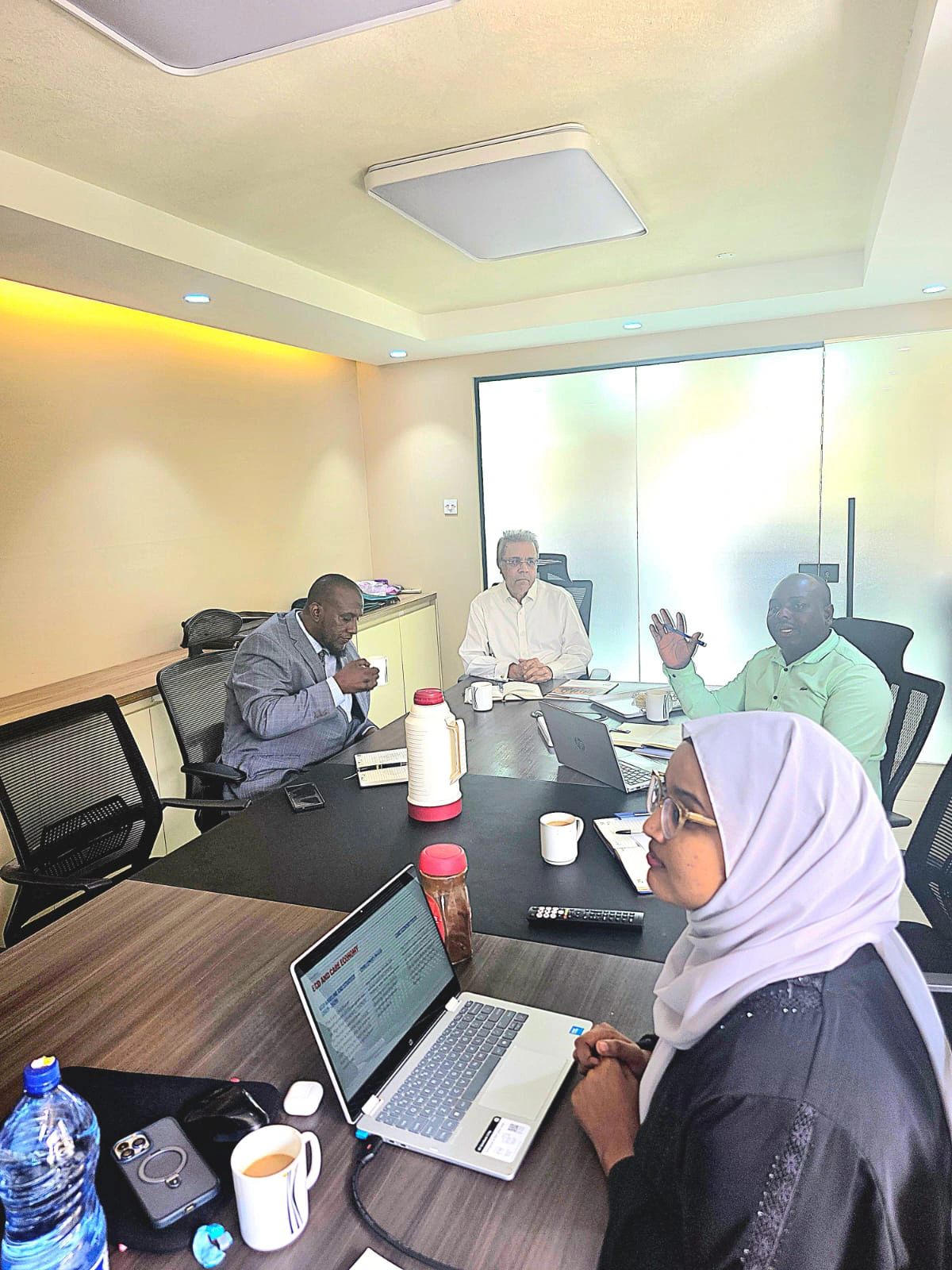
The meeting focused on expanding digital learning, strengthening education systems, and implementing last-mile interventions tailored to the unique challenges faced by ASAL communities.
Stakeholders emphasised the need for solutions that are both practical and responsive to the lived realities of learners in remote regions.
FCDC highlighted its progress in reaching over 100,000 learners through integrated digital learning initiatives, marking a significant milestone in efforts to bridge the education gap.
The council also unveiled developments in its inaugural Early Childhood Development (ECD) Strategic Plan for 2025–2029, alongside ongoing programmes in the care economy and Competency-Based Education (CBE).
Partners shared insights from their own initiatives, with Mama Layla showcasing its transformative model in Technical and Vocational Education and Training (TVET), education, and household-level digital empowerment.
Bridge International Foundation, on the other hand, demonstrated its data-driven approach to improving teaching quality and learning outcomes.
There was broad consensus among participants on key priorities moving forward, including investing in teacher capacity, strengthening continuous professional development, and adopting innovative technologies such as offline and solar-powered digital learning tools.
Stakeholders also underscored the importance of robust monitoring systems, data-driven decision-making, and enhanced accountability frameworks.
The engagement further highlighted the need for stronger collaboration between government, private sector actors, and development partners to ensure sustainability and scale of education interventions.
FCDC reaffirmed its commitment to fostering partnerships that drive inclusive and impactful education models, noting that collective action will be critical in ensuring that no learner in ASAL regions is left behind.