
The Frontier Counties Development Council (FCDC), with support from the European Union and UNICEF Kenya, has stepped up efforts to strengthen digital teaching and learning in arid and semi-arid lands (ASALs) through a targeted training programme for teachers from northern Kenya.
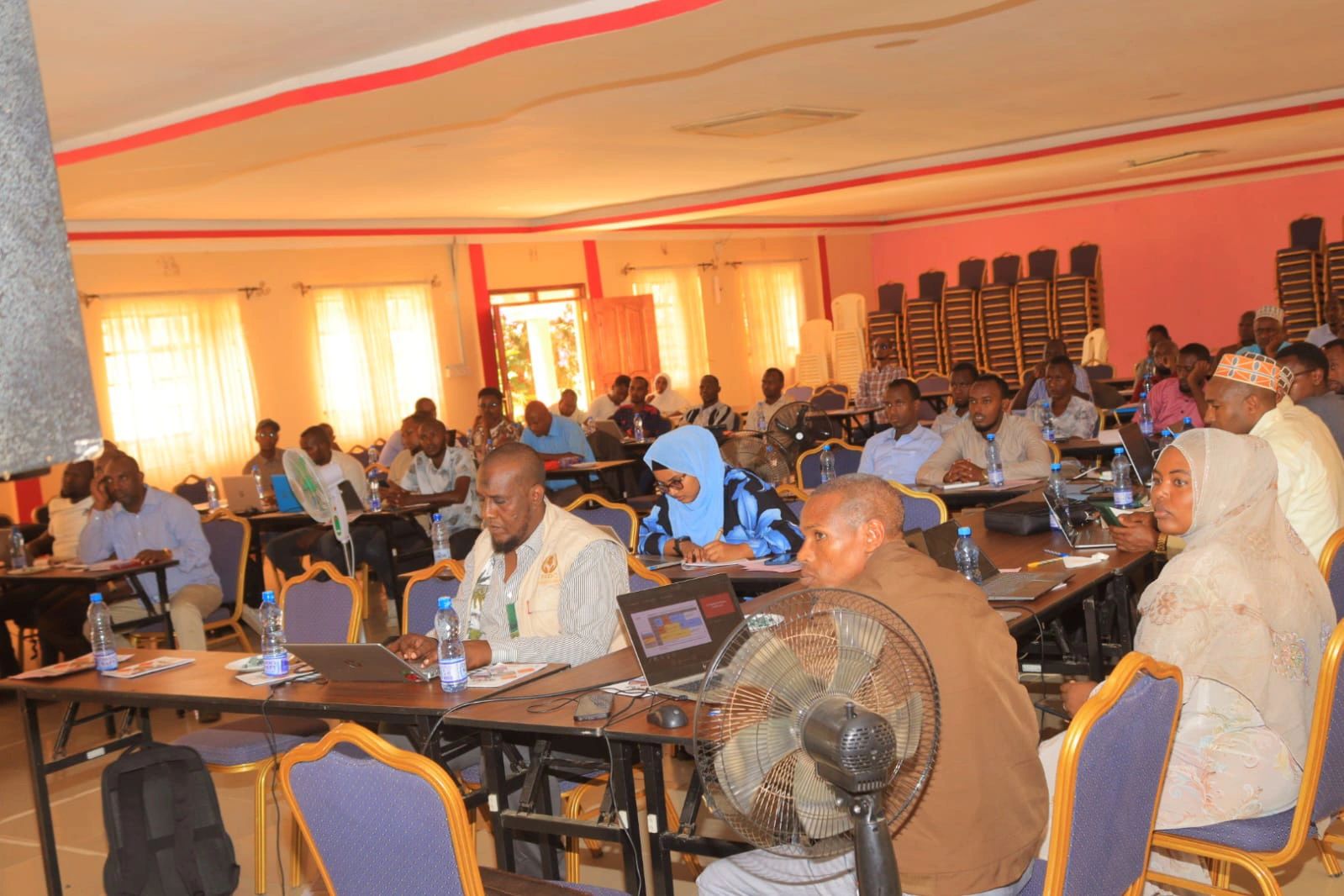
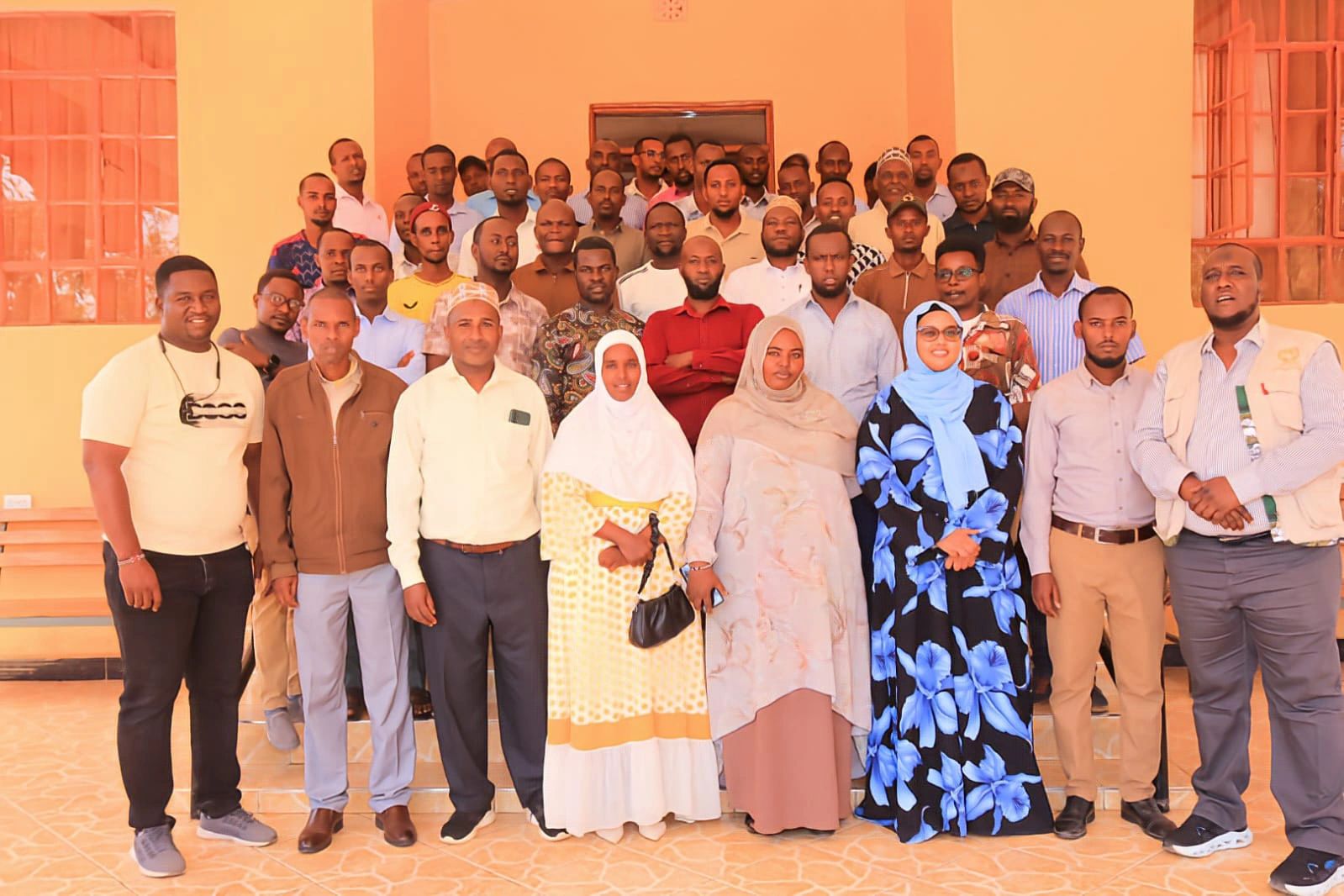
ICT Champions drawn from Moyale and Wajir North sub-counties participated in a two-day intensive training held at Holale Resort, focusing on blended learning approaches developed by the Raspberry Pi Foundation.
The training content is approved by the Ministry of Education and aligned to the national curriculum, ensuring relevance and consistency with Kenya’s Competency-Based Education framework.
The sessions were led by national trainer Salim Kalime, alongside county trainers Gollo Yattani and Jane Dambala.
Teachers engaged in hands-on practical sessions and live demonstrations designed to strengthen learner-centred, technology-enabled teaching methodologies, particularly in the delivery of the computing curriculum.
Representing the Sub-County Director of Education, Hussein Wato underscored the strategic role of ICT in today’s digital era, noting that empowering teachers is essential to equipping learners with relevant skills for the future.
He commended participating teachers for their commitment and praised the European Union and UNICEF Kenya for their continued support of education in ASAL regions.
The initiative forms part of broader efforts by FCDC and its partners to bridge the digital divide in marginalised regions by enhancing teacher capacity and expanding access to quality digital education.
By strengthening educators’ ability to effectively deliver the computing curriculum, the programme aims to improve learner engagement, creativity, and problem-solving skills, while preparing students for participation in an increasingly digital economy.
FCDC officials noted that sustained investment in teacher training and digital infrastructure remains critical to ensuring that learners in ASAL areas are not left behind, as Kenya advances its national digital learning and education reform agenda.