
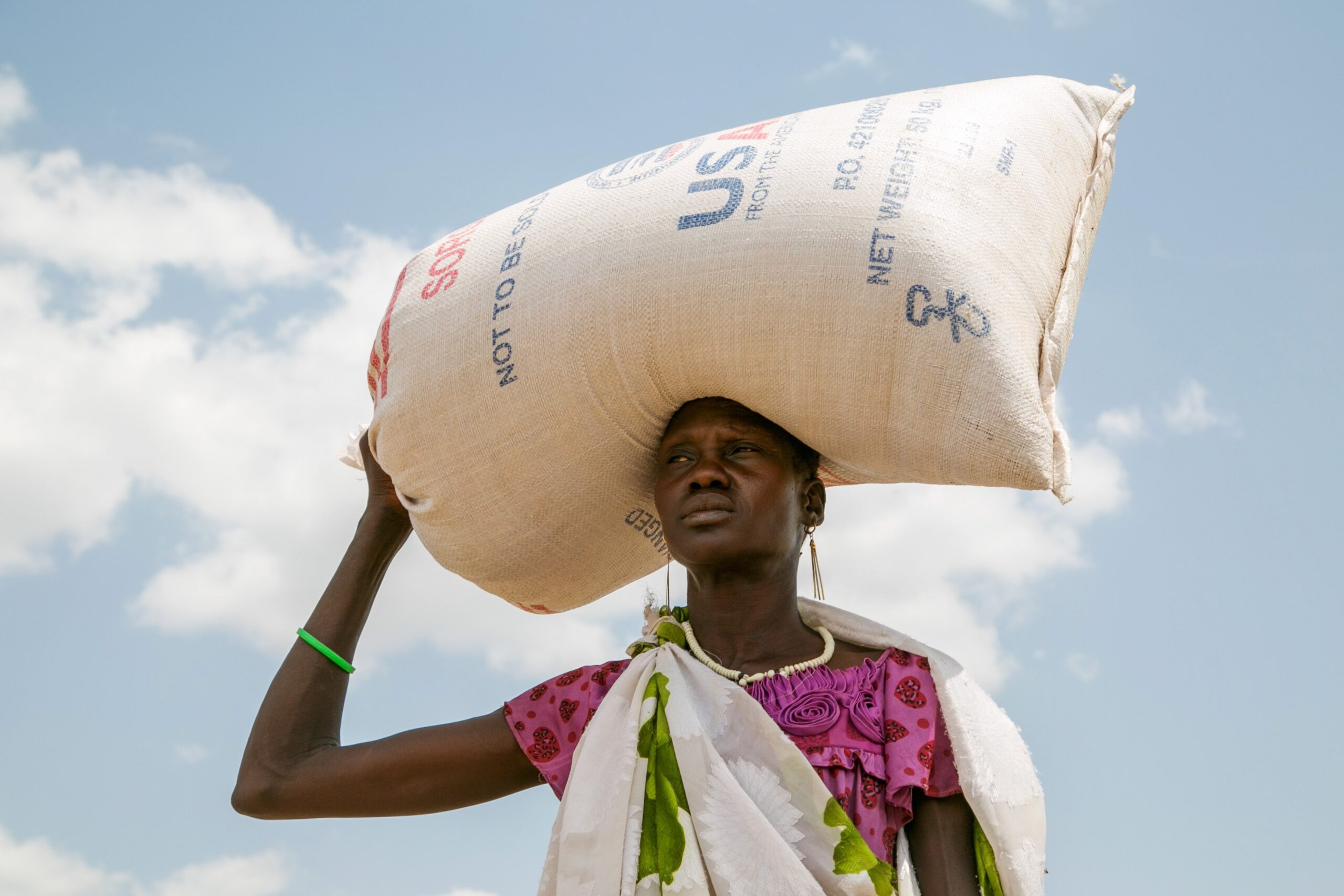
Kenya is entering a new development phase marked by the decline of traditional Western aid and the rise of diversified, investment-driven financing, governance, and policy, according to Abdullahi Maalim, a governance and policy expert.
In an analysis of Kenya’s evolving development landscape, Maalim notes that the disbandment of USAID and sweeping aid reductions across Europe represent a decisive break from decades in which Western official development assistance shaped national priorities, institutions, and policy pathways.
According to him, that era is now drawing to a close.
As the United States retreats from large-scale development financing and European governments redirect resources toward defence and domestic pressures, Kenya is actively recalibrating its approach.
The country is increasingly engaging with non-traditional partners in Asia and the Gulf, while mobilising domestic capital to fill widening financing gaps.
China and Gulf states are emerging as influential actors in this new order. Maalim observes that their engagement differs fundamentally from that of traditional Western donors.
Development finance is now closely tied to commercial logic, with a focus on infrastructure, energy, trade, and strategic interests.
Grants are becoming rare, while returns on investment are central.
Financing is largely government-to-government and aligned with nationally defined priorities rather than externally driven social agendas.
China’s footprint in Kenya, spanning transport corridors, digital systems, and energy infrastructure, illustrates a pragmatic model that emphasises economic productivity and state capacity.
Similarly, Gulf financing is expanding through sovereign wealth funds, Islamic finance instruments, and strategic investments linked to food security, logistics, and geopolitics.
This approach, Maalim argues, frames development as partnership and investment rather than philanthropy.
Equally significant is the growing role of domestic actors. Kenyan corporations, banks, pension funds, and foundations are increasingly channelling resources into education, digital inclusion, health, climate action, and youth empowerment.
These locally sourced investments, Maalim notes, are closer to communities, better aligned with national realities, and potentially more sustainable than traditional aid flows.
However, the transition carries risks. Commercially oriented financing could heighten debt vulnerabilities and sideline civil society, particularly as emerging donors tend to work primarily through governments rather than grassroots organisations.
Maalim stresses the need for stronger governance frameworks, sound debt management, and coherent policy coordination to ensure development finance serves the public interest.
Despite these challenges, he says the direction is unmistakable. Kenya is moving into a post–official development assistance era defined by multipolar financing and increased domestic responsibility.
The task ahead is not attracting aid, but strategically managing diverse capital flows, from China, the Gulf, and homegrown institutions, while safeguarding equity, sustainability, and national ownership.
“The future of Kenya’s development will no longer be decided in Washington or Brussels,” Maalim argues.
“Increasingly, it will be negotiated in Beijing, the Gulf, and Nairobi.”